Living in Central Florida means dealing with heat and humidity year-round. For women with Lipedema, the swelling and heaviness in your legs make those hot Orlando afternoons unbearable. You try diet after diet, but the fat in your lower body just won't budge. You aren't alone, and it’s not your fault.
Lipedema is a chronic condition that affects roughly 11% of women. It causes painful fat buildup, usually in the legs and arms, that doesn't respond to calorie restriction or exercise. While conservative treatments help, many women eventually reach a point where surgery becomes the best path to regain mobility and reduce pain.
This guide explains when Lipedema surgery is recommended, what the options are, and what recovery looks like.
Introduction to Lipedema and the Challenges of Living with It
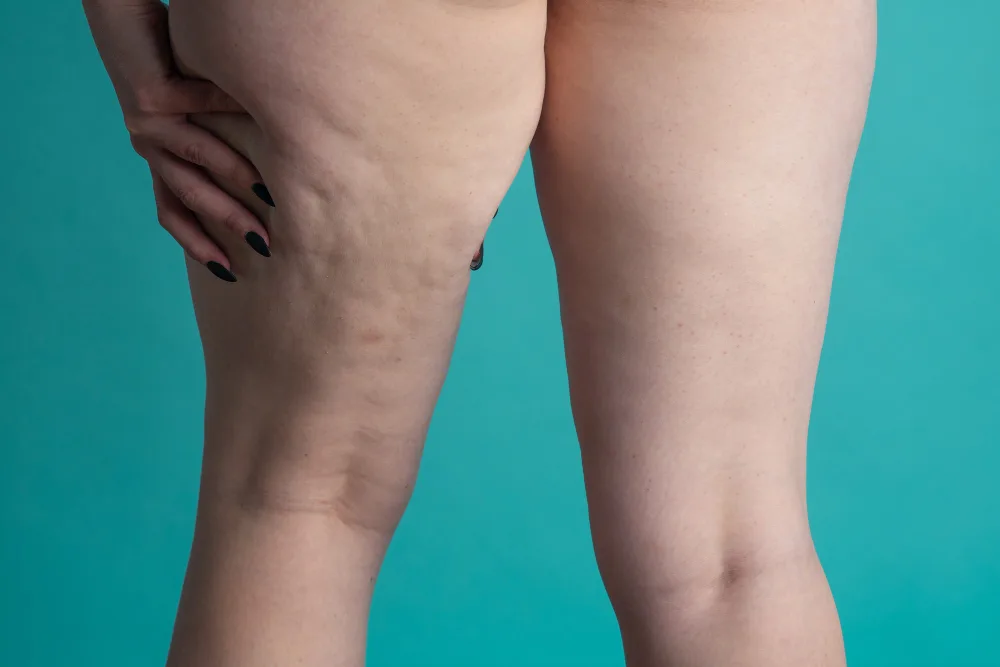
Lipedema is a progressive fat disorder that creates disproportionate heaviness in the extremities, often causing pain, bruising, and mobility issues. Unlike regular weight gain, Lipedema fat feels nodular (like beans in a bag) and is often tender to the touch.
For many of our patients, the struggle isn't just physical; it's emotional. You might feel embarrassed to wear shorts at Lake Eola or avoid family trips to the beach because of how your legs look. The progression of the disease can lead to orthopedic issues, especially in the knees, due to the excess weight. When conservative therapies like compression garments stop providing relief, surgical intervention is often the next logical step to stop the progression.
What Lipedema Surgery Options Exist?
The most effective surgical treatment for Lipedema is lymph-sparing liposuction, specifically techniques that protect the delicate lymphatic vessels while removing diseased fat. Traditional liposuction can be too aggressive and damage the lymph system, potentially leading to Lymphedema.
Dr. Marcia Byrd prefers power assisted liposuction (PAL) for its precision and gentleness. PAL uses a specialized cannula that vibrates to break up fat cells without injuring nerves or blood vessels. Because the vibration does the work, the surgeon uses less force, resulting in less bruising and a faster recovery for you. This efficiency allows Dr. Byrd to remove significant amounts of diseased tissue safely—up to 5,000 mL (about 5 liters) in a single session, depending on safety protocols and your specific needs.
Am I a Candidate for Lipedema Surgery?
You are likely a candidate for surgery if you have a confirmed diagnosis of Lipedema (Stage 1, 2, or 3) and conservative treatments haven't managed your pain or mobility issues. Generally, surgeons look for patients who have tried compression therapy, anti-inflammatory diets, and lymphatic drainage for at least 3 to 6 months without significant improvement in their shape or pain levels.
Health status plays a role too. While BMI isn't the only factor, safety is paramount. Most surgery centers require your BMI to be under a certain threshold, often around 40, to undergo outpatient surgery safely. However, because Lipedema inflates BMI numbers, Dr. Byrd evaluates each patient individually. If you have secondary conditions like diabetes or heart issues, those must be managed before surgery can proceed.
Preparing for Lipedema Surgery: Lifestyle and Diet Changes
Preparation for surgery begins 4 to 6 weeks before your procedure date to ensure the best possible healing and results. This isn't just about showing up for the appointment; it's about priming your body to heal.
We recommend adopting a strict anti-inflammatory diet (often called the RAD diet). This involves:
- Eliminating processed sugars and gluten.
- Reducing dairy intake.
- Focusing on whole foods, lean proteins, and leafy greens.
You'll also need to get fitted for medical-grade compression garments. You will wear these immediately after surgery to control swelling. Getting your lymphatic system moving through regular walking—even just 20 minutes a day around your neighborhood—helps clear your system before the procedure.
What Does Recovery Look Like After Lipedema Surgery?
Recovery typically involves 2 to 3 days of rest followed by a gradual return to light activities, with full recovery from swelling taking 3 to 6 months. Most patients can return to a desk job within 7 to 10 days.
To ensure the smoothest recovery, Dr. Byrd often combines techniques, including water-jet assisted liposuction (WAL). WAL uses a fan-shaped water jet to gently detach fat from the tissue structure. This minimizes trauma to the body, meaning less pain and a quicker return to your daily life. Because local tumescent anesthesia is used rather than general anesthesia, you avoid the grogginess and risks associated with being "put under." You will need to wear your compression garments 24/7 for the first few weeks, then 12 hours a day as instructed.
Long-Term Management and Expectations After Surgery
Lipedema surgery is not a cure, but it's a powerful management tool that stops disease progression and significantly reduces pain. It effectively "resets the clock" on the condition.
However, you must maintain your results. This implies a lifelong commitment to a healthy lifestyle. We tell our patients to expect:
- Continued Compression: You'll likely need compression garments during flare-ups or long travel.
- Weight Maintenance: While the removed fat cells are gone forever, remaining fat cells can expand if you gain significant weight.
- Mobility Gains: Most women report they can walk freely and exercise without pain for the first time in years.
Real Patient Stories: What To Expect With Lipedema Surgery
In our experience, patients often describe the relief as immediate, noting that the "pressure pain" is gone right after surgery, even with the post-op swelling.
One patient, a teacher from Winter Park, struggled to stand in her classroom for more than an hour. Her legs felt like they were wrapped in lead weights. After her second surgery session, she reported that her legs felt "light" for the first time since her twenties. She was back to walking the trail at Cady Way without needing to stop for breaks. These stories are common; the reduction in bulk and pain transforms daily life.
Choosing a Qualified Lipedema Surgeon in the Florida Area
When choosing a surgeon, look for a specialist who dedicates their practice to Lipedema, not just general cosmetic contouring. Florida has many plastic surgeons, but few understand the lymphatic sparing techniques required for this disease.
Ask specifically about their experience with WAL and PAL techniques. A consultation typically costs around $200, which is a small investment to ensure you're speaking with an expert. Many patients in Orlando and throughout Florida travel to see Dr. Byrd because of her specific focus on high-volume, lymph-sparing removal that protects your long-term health. Don't settle for a surgeon who treats Lipedema as "just extra fat."
Alternative Treatments If Surgery Isn't Right for You
If you'ren't ready for surgery or health issues prevent it, you can still manage your symptoms effectively. The gold standard for non-surgical management is Complete Decongestive Therapy (CDT).
This includes:
- Manual Lymphatic Drainage (MLD): specialized massage to move fluid.
- Compression Pumps: At-home devices that massage the legs.
- Aquatic Therapy: The pressure of the water acts as a natural compression garment.
While these won't remove the fibrotic fat, they help keep the swelling (edema) under control and stop the pain from worsening.
Is Lipedema Surgery the Right Choice?
Deciding to have surgery is a personal journey, but you don't have to walk it alone. If Lipedema is stealing your mobility and your joy, surgical intervention offers a way to reclaim your life.
Dr. Marcia Byrd is an internationally acclaimed expert who understands the unique challenges you face. If you're ready to explore your options, contact Byrd Lipedema Surgery Center at (770) 587-1711. We are here to help you live a full, active life.