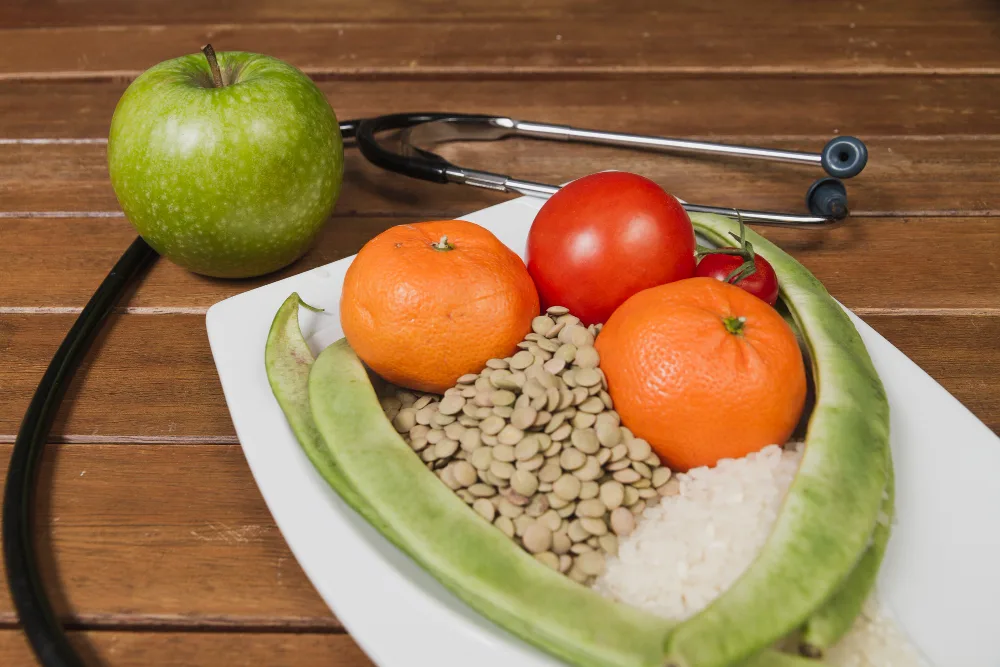
Recovery after lipedema surgery doesn't happen in a vacuum. What you eat in the days and weeks following your procedure plays a direct role in how fast you heal, how much swelling you experience, and how well your body responds to the changes made during surgery. Florida's heat and humidity add another layer to consider, making localized nutrition planning especially worthwhile.
If you're preparing for or recovering from lipedema surgery in Florida, Byrd Lipedema Surgery Center is here to support your full recovery journey. Call us at (770) 587-1711 to schedule a consultation with Dr. Marcia Byrd.
Why Do Anti-Inflammatory Foods Matter After Lipedema Surgery?
Anti-inflammatory foods help reduce post-surgical swelling by lowering your body's inflammatory response. This matters because uncontrolled inflammation slows tissue repair, increases pain, and can put added pressure on your lymphatic system during a time when it's already working hard.
Florida patients have a real advantage here. Fresh citrus fruits like oranges, grapefruits, and tangerines are grown locally and widely available year-round. These are packed with vitamin C and flavonoids that actively combat inflammation. Leafy greens such as kale, spinach, and Swiss chard are equally accessible at farmers' markets near areas like Lake Nona and the Dr. Phillips corridor.
Aim to include at least 2 to 3 servings of anti-inflammatory foods per meal during the first 4 to 6 weeks after surgery. Avoid processed foods, refined sugars, and fried items during this window. These actively increase inflammation and can worsen swelling in the surgical areas.
How Does Hydration Affect Recovery in Florida's Heat?
Staying well-hydrated after lipedema surgery directly supports lymphatic drainage and reduces fluid retention. Florida's climate, with average summer temperatures above 90°F and humidity regularly topping 75%, makes dehydration a faster and more serious risk than in most other states.
Your lymphatic system relies on adequate fluid levels to move waste products and reduce post-op swelling. Dehydration causes the lymph to thicken and slow, which can prolong recovery and increase discomfort.
Target at least 80 to 100 ounces of water daily during recovery, more on days when you're in the heat. Plain water works best, but electrolyte-rich options like coconut water or low-sodium broths are helpful if you're losing fluids through sweating. Avoid alcohol and high-sodium foods completely during the first 2 weeks post-surgery, as both cause fluid retention and impair lymphatic function.
What Proteins Help With Tissue Repair After Surgery?
Lean proteins are the building blocks your body uses to repair incision sites, rebuild connective tissue, and reduce scarring after lipedema surgery. Without enough protein, wound healing slows significantly, sometimes adding days or weeks to your recovery timeline.
Good sources include chicken breast, turkey, eggs, wild-caught fish, and Greek yogurt. Collagen-rich foods like bone broth are particularly useful in the first 2 weeks post-op because they provide the amino acids glycine and proline, which are directly used in wound repair.
Most post-surgical patients need between 1.2 and 1.5 grams of protein per kilogram of body weight daily. For a 150-pound woman, that works out to roughly 82 to 102 grams of protein per day. Many patients we see underestimate this number and wonder why their recovery feels sluggish. Protein intake is often the first thing to address.
Which Vitamins and Supplements Support the First 48 Hours of Recovery?
The first 48 hours after lipedema surgery are the most critical window for immune support and inflammation control. Three specific micronutrients make a measurable difference during this period.
Vitamin C (500 to 1,000 mg daily) supports collagen synthesis and strengthens the immune response at the surgical site. Vitamin D (1,000 to 2,000 IU daily, or as directed by your doctor) helps regulate the inflammatory process and supports tissue regeneration. Zinc (15 to 30 mg daily) accelerates wound closure and helps fight infection.
Check with Dr. Byrd or your primary care provider before starting any supplements post-surgery, particularly if you're on blood thinners or other medications. Timing matters too. Start these in the days leading up to surgery, not just after, to build your levels before your body needs them most.
Where Can Florida Patients Find the Best Organic Ingredients for Recovery?
High-quality, organic ingredients make a practical difference when you're building a post-surgical diet. Florida's farmers' markets are some of the best in the country for fresh, locally sourced produce, and several run year-round in communities across the state.
Near the Celebration and Lake Nona areas, weekly markets stock seasonal citrus, dark leafy greens, fresh herbs, and pasture-raised proteins. Many vendors also carry bone broth, organic eggs, and fresh fish, staples that belong in any post-surgical meal plan.
Check for markets operating on Saturday mornings in your area and ask vendors about growing practices. Organic and locally grown produce tends to have higher antioxidant levels than conventionally grown options that have traveled long distances before reaching your plate. At Byrd Lipedema Surgery Center, we recommend building your post-op meal plan around these local options when possible.
Building Long-Term Nutritional Habits After Lipedema Surgery
The nutritional habits you build during recovery shouldn't disappear once your incisions heal. Patients who undergo power-assisted liposuction or water-jet assisted liposuction see the best long-term results when they pair their surgical outcomes with consistent anti-inflammatory eating, steady hydration, and adequate protein intake.
Lipedema surgery removes the abnormal fat that diet alone can't touch. Nutrition won't reverse that progress, but it can protect it. A sustained diet rich in whole foods, vegetables, lean proteins, and healthy fats helps manage general inflammation, supports lymphatic health, and keeps your weight stable long after your procedure is complete.
Start small and build forward. Add one habit per week: a daily green smoothie, a protein-first breakfast, a commitment to hitting your water goal. Over 6 to 12 months, these small changes produce significant results.
Ready to take the next step? Contact Byrd Lipedema Surgery Center today or call (770) 587-1711 to speak with our team about your recovery plan.