Living with lipedema in Florida means dealing with more than just physical symptoms. The heat, humidity, and daily demands of life here in Central Florida can make managing this condition genuinely difficult. A multidisciplinary care model addresses that reality head-on, bringing together surgeons, therapists, nutritionists, and mental health professionals under one treatment plan so nothing gets missed.
This post explains what that collaborative approach looks like in practice, why specialist diagnosis matters before anything else, and how Florida-based lipedema centers apply the latest treatment standards to help patients take control of their health.
What Is Multidisciplinary Care for Lipedema?
Multidisciplinary care for lipedema means a team of specialists, including vascular surgeons, certified lymphedema therapists, registered dietitians, and mental health counselors, working together on a single, coordinated treatment plan. Rather than seeing each provider separately with no communication between them, patients at a dedicated lipedema treatment center benefit from shared records, joint consultations, and treatment decisions made as a team.
This approach matters because lipedema rarely presents as just one problem. Most patients we see at Florida lipedema centers are managing pain, swelling, mobility limitations, and emotional distress all at once. Treating one symptom in isolation often leaves the others unaddressed.
How Does Expert Diagnosis Shape Your Treatment Plan?
Accurate diagnosis is the foundation of every effective lipedema treatment plan, and in Florida, access to experienced lipedema specialists makes a real difference. Lipedema is frequently misdiagnosed as obesity or general lymphedema, sometimes for years. Getting the diagnosis right from the start determines which therapies are appropriate and what surgical options, if any, make sense.
A specialist will typically classify lipedema by stage (Stage 1 through Stage 4) and by type based on the distribution of affected tissue. That classification directly shapes the care plan. A Stage 2 patient may do well with conservative management alone, while a Stage 3 or 4 patient might be a strong candidate for lymphatic-sparing liposuction. Without a precise diagnosis, that distinction gets lost.
Our clinical team has seen patients arrive after years of being told their symptoms were weight-related. Once properly diagnosed, many find that a structured, stage-appropriate treatment plan produces noticeable improvement within the first 90 days.
Surgical vs. Non-Surgical: How Do These Approaches Work Together?
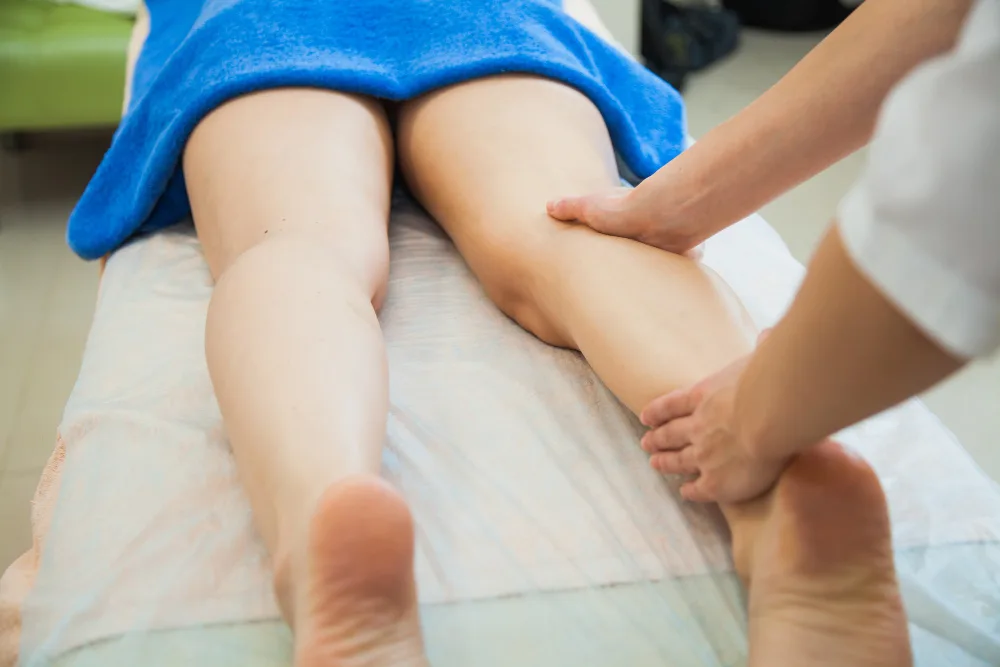
At a dedicated lipedema treatment center, surgery and conservative therapy aren't competing options. They're designed to work together. Lymphatic-sparing liposuction (also called water-assisted or tumescent liposuction) removes the painful fat deposits that don't respond to diet or exercise. Conservative therapies like manual lymphatic drainage (MLD), compression garments, and complete decongestive therapy (CDT) manage swelling, support recovery, and protect long-term results.
Most patients who undergo surgery still continue with regular MLD sessions afterward, typically every 2 to 4 weeks, to maintain lymphatic flow and reduce the risk of fibrosis. Compression garments are usually worn daily, with class 2 or class 3 compression being the standard recommendation depending on severity.
The key is sequencing. Conservative therapies often come first to reduce inflammation and prepare tissue for surgery. Post-operatively, they support healing and help sustain the improvements gained through the procedure. Skipping either phase tends to produce incomplete or shorter-lasting results.
What Role Do Nutrition and Mental Health Play in Lipedema Treatment?
Nutrition and psychological support aren't add-ons in a multidisciplinary lipedema program. They're core components. Here's why that matters: lipedema fat doesn't respond to caloric restriction the way typical fat does, which means patients who've spent years dieting without results are often dealing with significant frustration and diminished confidence by the time they seek treatment.
A registered dietitian with lipedema experience won't put patients on a standard weight loss plan. Instead, they'll focus on an anti-inflammatory diet, often a low-carbohydrate or ketogenic approach, which has shown promise in reducing lipedema-related inflammation and pain. Staying well-hydrated is especially relevant in Florida's climate, where heat accelerates swelling.
Mental health support addresses the emotional weight that comes with a chronic, often misunderstood condition. Many lipedema patients have experienced medical dismissal for years. Working with a counselor who understands the condition helps patients build realistic expectations, process the diagnosis, and stay consistent with the demanding routines that effective lipedema management requires.
Why Does Seeking Care at a Florida Lipedema Center Matter?
Florida-based lipedema centers operate within a specific clinical and environmental context that matters for patient outcomes. The heat and humidity here can worsen swelling and make compression more uncomfortable, so local therapists know to adjust protocols seasonally. Treatment providers who are board-certified and trained specifically in lipedema follow the most current standards, including the 2024 guidelines from the Lipedema Foundation and the ACP (American College of Phlebology).
Proximity also affects consistency. Long-term lipedema management requires regular therapy appointments, not a single visit. Patients in the Orlando and Central Florida area who work with a local, dedicated center can maintain the kind of ongoing care schedule that produces lasting results, rather than traveling for an initial consult and then managing alone.
Centers that follow E-E-A-T principles, meaning providers with documented training, published outcomes, and transparent credentials, give patients a clear picture of who's treating them and why their recommendations are trustworthy. That transparency is worth looking for when choosing where to seek care.
Ready to Build a Treatment Plan That Actually Fits Your Life?
Lipedema is manageable. It takes the right team, the right staging, and a plan that addresses the full picture, not just one piece of it. If you've been struggling with symptoms in Central Florida and haven't found answers yet, a multidisciplinary lipedema center is the place to start.
[Schedule a consultation with our lipedema specialists] to get a proper diagnosis and a care plan built specifically for you. Our team works with patients across Orlando and Central Florida to deliver coordinated, evidence-based treatment from day one.
Ready to talk to a specialist? Contact Byrd Lipedema Surgery Center at (770) 587-1711 to schedule a consultation.