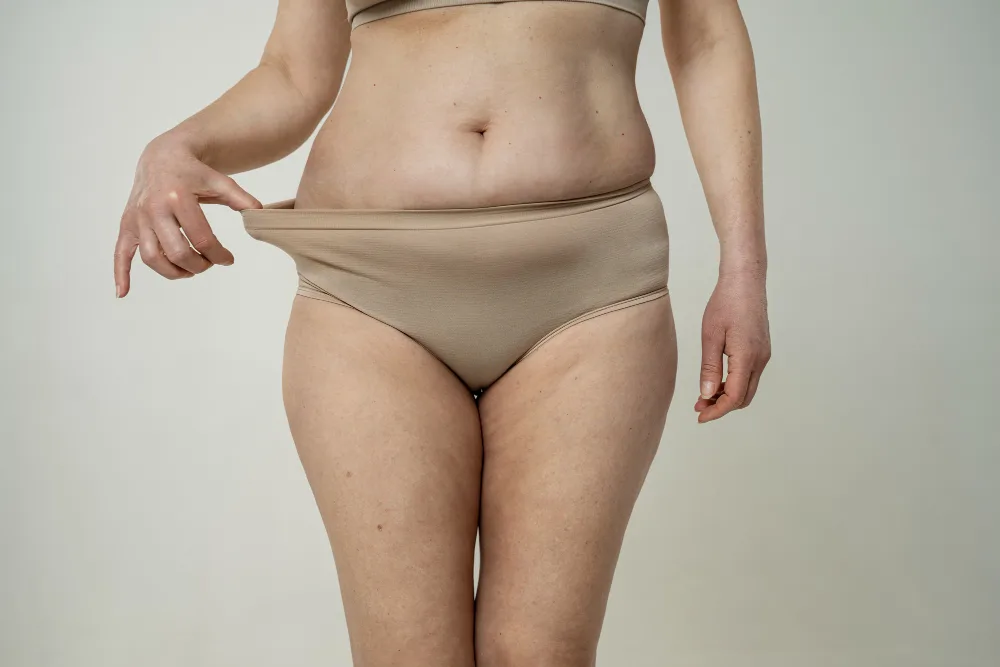
You have tried every diet under the sun. You have spent hours on the treadmill and tracked every calorie. Yet, while the rest of your body might shrink, your legs and arms seem immune to your hard work. If this sounds like your life, you're likely exhausted, frustrated, and tired of being told you just need to "try harder."
Here is the truth: It is not your fault.
For millions of women, this stubborn fat is not obesity; it's a medical condition called Lipedema. It is a painful, chronic disorder that is frequently misdiagnosed, leaving patients without answers for years. But there is hope. Understanding your condition and knowing your treatment options is the first step toward reclaiming your mobility and your confidence.
What is Lipedema?
Lipedema is a fat disorder that primarily affects women. It causes an abnormal accumulation of fat cells in specific areas, usually the legs, thighs, and buttocks, and sometimes the arms. Unlike typical weight gain, Lipedema fat is often painful to the touch and bruises easily.
The most frustrating part? This fat is resistant to diet and exercise. You could be in the best shape of your life, eating a strict keto diet, and still see the characteristic "column-like" legs associated with the condition.
Why is it so often misdiagnosed?
Many general practitioners are simply not trained to spot the difference between general obesity and Lipedema. Patients are often dismissed and told to lose weight, leading to a cycle of shame and yo-yo dieting that can actually make the condition worse. Recognizing that you have a medical condition, not a lifestyle failure, is the first hurdle.
Understanding Lipedema Treatment Options
Once you have a diagnosis, the next question is always: "What do I do now?" Treatment generally falls into two categories: conservative management and surgical intervention.
Non-Surgical Management
Conservative therapy focuses on reducing symptoms rather than removing the fat. This includes:
- Compression Therapy: Wearing medical-grade compression garments to support fluid drainage.
- Manual Lymphatic Drainage (MLD): specialized massage techniques to move lymph fluid.
- Dietary Changes: Anti-inflammatory diets to reduce swelling.
While these methods help manage pain and swelling, they do not remove the diseased fat cells. For many women, surgery becomes the most effective path to long-term relief.
Surgical Treatments for Lipedema
When conservative measures aren't enough, surgical removal of the fat is the standard of care. However, this isn't standard cosmetic liposuction. A specialized lipectomy surgery center will use techniques designed to protect your lymphatic system while removing the fibrotic fat.
Power-Assisted Liposuction (PAL)
One of the most effective methods used by specialists is Power-Assisted Liposuction. This advanced technique uses a specialized cannula that vibrates. These tiny vibrations help break up the dense, fibrous fat cells associated with Lipedema without requiring forceful manual thrusting.
Why does this matter? The vibration allows the surgeon to be much more gentle. This precision preserves the surrounding connective tissue and blood vessels, leading to less bruising and a faster recovery compared to traditional methods.
Water-Jet Assisted Liposuction (WAL)
Another gold-standard technique is water-jet assisted liposuction. During this procedure, a fan-shaped jet of water is used to gently dislodge fat cells from the tissue structure.
Because the water does the work of separating the fat, there is minimal trauma to the sensitive lymphatic vessels. Protecting the lymph system is crucial for Lipedema patients to prevent complications like Lymphedema later on.
The Role of Diet and Exercise
If surgery removes the fat, why do diet and exercise still matter?
While you cannot "diet away" Lipedema fat, maintaining a healthy weight is vital for your overall health and surgical outcomes. An anti-inflammatory diet helps reduce the pain and swelling (edema) that comes with the condition. Furthermore, keeping your non-Lipedema fat in check reduces the strain on your joints and lymphatic system.
Think of surgery as pressing the reset button, while diet and exercise are the maintenance plan that keeps your engine running smoothly.
Finding Lipedema Specialists in Florida
Living in Central Florida presents unique challenges for Lipedema patients. The heat and humidity here are intense, with average summer temperatures hitting 90-95°F and high humidity levels, wearing heavy compression garments can feel unbearable. This often drives patients to seek permanent surgical solutions sooner rather than later.
When looking for a specialist, you want someone who understands these local factors and the specific medical nature of the disease. You aren't looking for a general plastic surgeon in a strip mall in Dr. Phillips or Winter Park; you need a dedicated lipectomy surgery center with a track record of treating this specific disorder.
What should you look for in a surgeon?
- Experience: How many Lipedema cases have they treated?
- Technique: Do they use lymph-sparing techniques like WAL or PAL?
- Empathy: Do they listen to your pain, or just look at your size?
What are the costs involved?
It is helpful to know what to expect financially. Consultations typically cost around $200. While insurance coverage is improving, it remains a battle for many. For self-pay patients, the cost of surgery can vary significantly based on the stage of Lipedema and the number of surgeries required. Many patients require multiple surgeries to address different areas of the body safely.
Research indicates that Lipedema affects nearly 11% of the female population, yet finding care remains difficult. Don't be afraid to travel a bit to find the right expert; a drive up I-4 is a small price to pay for expert care that changes your life.
The Impact on Quality of Life
The physical weight of Lipedema is heavy, but the emotional weight is often heavier.
Psychological and Emotional Aspects
Years of being told you're "just obese" take a toll. Many women suffer from depression, anxiety, and body dysmorphia. They hide their legs, avoid the beach, and stop participating in activities they love.
Regaining Your Life
Treating Lipedema is about more than aesthetics. It is about mobility. It is about being able to walk around a theme park with your kids without pain. It is about fitting into a theater seat comfortably. When the pain is gone, the mental fog often lifts, too.
Client Success Stories
We have seen incredible transformations at our lipectomy surgery center. We aren't just talking about inches lost, but lives gained.
One patient, after years of hiding her legs, finally wore shorts to a family barbecue for the first time in two decades. Another was able to return to hiking, a passion she thought she had lost forever. These stories drive home why accurate diagnosis and specialized treatment are so vital. Awareness campaigns are finally shining a light on this condition, helping women realize they are not alone.
Conclusion: Empowering You with Information
You do not have to live in pain, and you do not have to accept a life of limited mobility. Knowledge is your most powerful tool. Now that you know Lipedema is a medical condition with viable treatments, you can take the next step toward healing.
If you suspect you have Lipedema, finding a compassionate expert is the most important thing you can do for yourself.
Ready to start your journey toward a pain-free life? Contact Byrd Lipedema Surgery Center today at (770) 587-1711 to schedule your consultation.