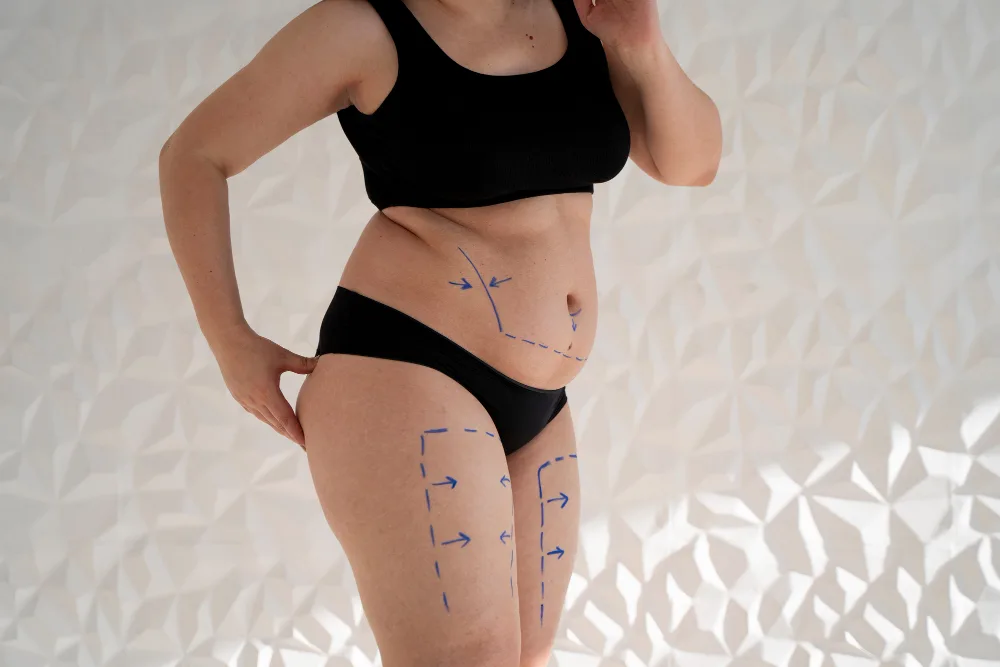
Lipedema is more than just "stubborn fat"—it’s a chronic condition that causes pain, mobility issues, and emotional distress for millions of women. If you’ve tried every diet and exercise routine under the Florida sun with no results, you know how isolating it feels. But there is a path to relief. Liposuction for lipedema isn't about vanity; it's a medical necessity for many women looking to reclaim their movement and their lives.
At our local lipedema treatment center, we see women walk through our doors feeling defeated and leave with hope. This guide explains what real relief looks like, from the moment surgery ends to years down the road.
What is Lipedema and Why Consider Surgery?
Lipedema is a fat disorder that primarily affects the legs, hips, and sometimes arms, causing disproportionate fat accumulation that doesn't respond to diet or exercise. Unlike regular weight gain, lipedema fat is often painful to the touch and bruises easily.
For many women, conservative therapies like compression garments and manual lymphatic drainage offer temporary help, but they don't stop the progression. That’s where specialized liposuction comes in. It removes the diseased fat cells permanently, reducing the load on the lymphatic system and alleviating pain.
In our experience treating patients from Roswell to Orlando, surgery is often the turning point where the condition stops controlling the patient's life.
How Does Lipedema Impact Daily Life?
Living with lipedema is physically and emotionally exhausting. Patients often report "heavy" legs that feel like they are dragging concrete blocks. Simple tasks like walking around Lake Eola Park or climbing stairs can become painful ordeals.
Beyond the physical pain, there is the mental toll. Many women spend years being misdiagnosed as obese, told to "just eat less," while their upper bodies remain small and their lower bodies grow. This gaslighting causes deep emotional scars. We understand that by the time you seek surgery, you aren't just looking for smaller legs—you're looking for validation and relief from chronic pain.
What Immediate Results Can You Expect?
Immediately following surgery, most patients feel a difference in the "heaviness" of their limbs, even through the post-operative swelling. While the visual results take time to settle, the reduction in pressure is often instant.
The Role of Power-Assisted Liposuction
To get these results safely, technique matters. We often utilize Power-Assisted Liposuction (PAL). This method uses a vibrating cannula to gently break up dense lipedema fat without damaging the surrounding blood vessels and nerves.
Why does this matter? Because lipedema fat is fibrotic and tougher than regular fat. PAL allows us to be precise and gentle, which typically results in less bruising and a faster recovery compared to traditional methods. Patients often report being up and walking—essential for lymphatic flow—within 24 to 48 hours.
What Are the Long-Term Benefits of Surgery?
The true value of lipedema surgery reveals itself months and years later. It’s not just about fitting into smaller jeans; it’s about systemic health improvements.
Pain Reduction: This is the number one reported benefit. By removing the heavy, inflammatory fat, the constant aching and sensitivity to touch decrease significantly. Many patients report a 50% to 80% reduction in daily pain levels within six months.
Improved Mobility: Without the heavy columns of fat on the legs, walking becomes easier. We’ve had patients who could barely walk to the mailbox, eventually return to hiking or enjoying long walks on the beach.
Lymphatic Health: Removing the fat reduces the pressure on your lymphatic vessels. This helps prevent the progression of lipedema into lymphedema (fluid retention), protecting your long-term vascular health.
Using Ultrasonic Technology for Smoother Results
For patients with significant fibrosis (scar-like tissue within the fat), we may also employ Ultrasonic Assisted Liposuction. This technology uses sound waves to liquefy fat before it's removed. It’s particularly effective for skin tightening and smoothing out the dense tissues often found in later stages of lipedema.
What Risks Should You Be Aware Of?
Every surgery carries risks, and we believe in total transparency. Common side effects include swelling, bruising, and numbness, which usually subside over weeks or months.
Because lipedema surgery involves removing large volumes of fat—often nearing the safety limit of 5,000 mL (5 liters) per session—it must be done carefully. Removing too much fluid or fat too quickly can stress the body. Recovery takes patience. You will likely wear medical-grade compression garments for weeks to support the tissues as they heal.
We also discuss realistic expectations. While surgery removes fat, it's not a cure for the genetic component of lipedema. Maintaining a healthy lifestyle is crucial to keeping the results.
Real Stories of Relief
We’ve seen incredible transformations at our lipedema treatment center. Take "Sarah," for example (name changed for privacy). She came to us unable to play with her grandchildren because her legs were too painful. Six months after her final surgery, she sent us a photo from a family trip to Disney World, standing on her feet all day with a smile.
Another patient, a teacher from near Winter Park, spent years hiding her legs even in the Florida heat. After treatment, she wore shorts for the first time in 15 years. These aren't just aesthetic wins; they are life-restoring moments.
How Do You Choose the Right Surgeon?
Not all cosmetic surgeons understand lipedema. It is vital to choose a board-certified surgeon who specializes in this condition. Lipedema surgery is reconstructive, not just cosmetic. The surgeon needs to understand the lymphatic system to avoid damaging it.
Ask questions during your consultation:
- How many lipedema cases have you treated?
- Do you use lymphatic-sparing techniques?
- What is your protocol for post-op care?
Finding a specialist with local expertise means you have a partner who understands the specific challenges of recovery in our climate and healthcare landscape.
How Do You Maintain Your Results?
Surgery gives you a fresh start, but lifestyle keeps you there. We encourage a holistic approach to life after liposuction.
Anti-Inflammatory Diet: Many women find relief following a low-carb or Keto way of eating, which helps reduce inflammation and water retention.
Movement: You don't need to run marathons. Gentle activities like swimming or walking are excellent for keeping the lymphatic system pumping.
Ongoing Lymphatic Care: Even after surgery, manual lymphatic drainage (MLD) massages are beneficial. Investing in a pneumatic compression pump can also help manage any residual swelling.
The Bottom Line on Lipedema Relief
Lipedema surgery changes lives. It stops the cycle of pain and progression, offering women a chance to live without the physical and emotional burden of this disease. From reducing daily pain to preventing future mobility loss, the long-term benefits are profound.
You don't have to travel across the world for expert care. If you're struggling with painful fat and think you might have lipedema, we are here to help you navigate your options.
Need Help With Lipedema?
If you're ready to explore surgical options or need a diagnosis, contact Byrd Lipedema Surgery Center. Our compassionate team is dedicated to helping you find long-term relief. Call us today at (770) 587-1711 to start your journey toward a pain-free life.