Have you ever felt like your body is fighting against you, no matter how much you diet or exercise? You aren’t alone. Many women spend years—sometimes decades—believing they just can't lose weight in their legs or arms, only to discover they have a condition called lipedema. If you have been told "just eat less and move more" but see no change in your lower body, it's not your fault.
This condition affects an estimated 11% of women worldwide, yet it remains widely misunderstood and frequently misdiagnosed as obesity or lymphedema. The good news is that you do not have to live with the pain and frustration forever. There are effective ways to manage symptoms and surgical options to remove the diseased fat for good.
What is Lipedema?
Lipedema is a chronic condition that causes an abnormal accumulation of fat, primarily in the legs and hips, and sometimes in the arms. Unlike regular fat, lipedema fat is painful to the touch and resistant to traditional weight loss methods. It almost exclusively affects women and is often triggered by hormonal changes during puberty, pregnancy, or menopause.
For many women in Roswell and throughout the metro Atlanta area, the journey to a diagnosis is long and emotional. You might notice that your upper body remains a different size from your lower body, creating a disproportionate appearance. This isn't about willpower; it's a medical condition that requires specialized care.
Is it Lipedema, Obesity, or Lymphedema?
Understanding the difference between these conditions is the first step toward getting the right treatment.
Lipedema vs. Obesity:
With general obesity, fat is distributed relatively evenly throughout the body. When you lose weight, you lose it from everywhere. With lipedema, you may lose weight in your face and torso, but your legs remain heavy and unchanged.
Lipedema vs. Lymphedema:
Lymphedema is caused by a blockage in the lymphatic system, leading to fluid retention. It often affects just one limb (asymmetrical), whereas lipedema usually affects both legs symmetrically. However, if left untreated, lipedema can progress to a stage called lipo-lymphedema, where the fat deposits interfere with lymphatic drainage.
Common Symptoms of Lipedema:
- Pain and Tenderness: Your legs feel sensitive to pressure or touch.
- Easy Bruising: You find bruises without knowing how you got them.
- Texture Changes: The fat under your skin feels nodular, like peas or walnuts.
- Cuffing: A distinct ring of fat may form just above the ankles or wrists, while the feet and hands remain unaffected.
Can Diet and Exercise Cure Lipedema?
While lifestyle changes cannot "cure" lipedema or make the diseased fat disappear entirely, they play a crucial role in managing inflammation and preventing progression.
Anti-Inflammatory Diet:
Many patients find relief by following an anti-inflammatory diet (like the RAD diet). This involves reducing processed foods, sugars, and gluten while increasing intake of vegetables, healthy fats, and lean proteins. This helps reduce the systemic inflammation that exacerbates pain.
Low-Impact Exercise:
High-impact activities like running can sometimes be hard on painful joints. Instead, focus on low-impact movements that encourage lymphatic flow. Swimming or water aerobics are excellent choices because the water pressure acts as a natural compression garment, helping move fluid out of the tissues. Walking and cycling are also beneficial for keeping mobility high without causing excessive strain.
What Are the Surgical Treatment Options?
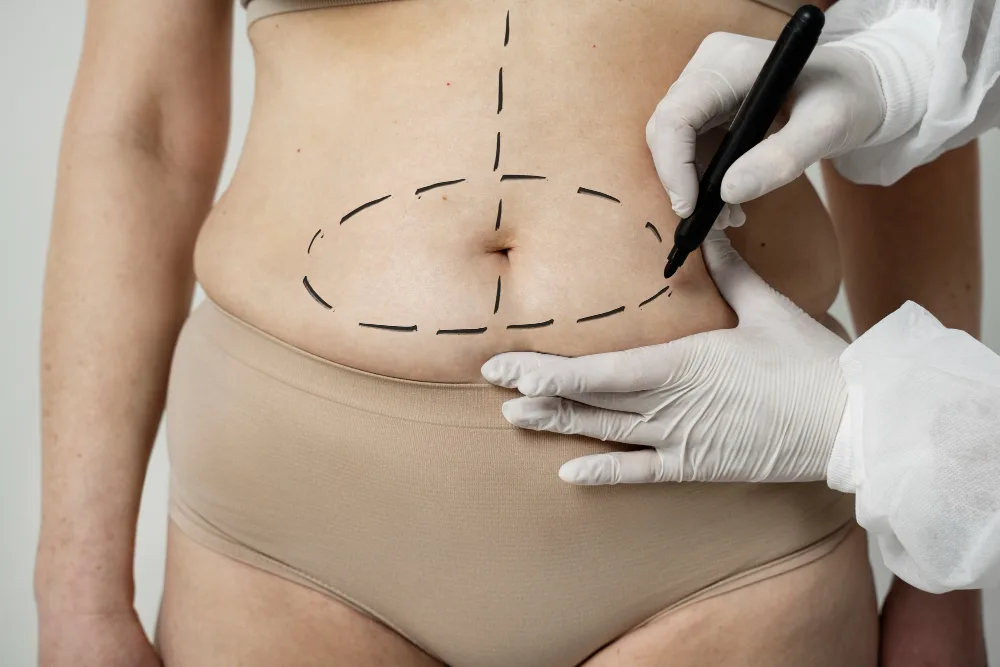
For many women, conservative measures like compression garments and diet provide relief but do not remove the bulk of the lipedema fat. That is where surgical intervention becomes necessary. The gold standard for treating this condition is specialized liposuction.
Power Assisted Liposuction (PAL)
This isn't the standard cosmetic liposuction you might see on TV. Power-assisted liposuction is a specialized technique that uses a vibrating cannula to gently break up fat cells before removing them. This vibration allows the surgeon to remove the dense, fibrous lipedema fat more efficiently without damaging the surrounding lymphatic vessels and nerves.
Why does this matter? Preserving your lymphatic system is critical to preventing complications like lymphedema down the road. PAL is generally gentler than traditional methods, leading to less bruising and a faster recovery time.
Ultrasonic Assisted Liposuction (UAL)
Another advanced technique used by specialists is ultrasonic-assisted liposuction. This method uses sound waves to liquefy the fat before it's suctioned out. It is particularly effective for dense, fibrous areas where the fat is harder to break down manually.
By liquefying the fat first, the extraction process becomes smoother, reducing trauma to the body. This precision allows for better contouring and ensures that the maximum amount of diseased fat is removed safely.
Water-Jet Assisted Liposuction (WAL)
Some surgeons also utilize water-jet assisted liposuction, which uses a fan-shaped jet of water to dislodge fat cells. This is another tissue-sparing technique designed to protect the lymphatic vessels while effectively removing the lipedema tissue.
How Much Does Lipedema Surgery Cost?
One of the biggest questions patients have is about the investment required for surgery. Because lipedema surgery is specialized and often requires multiple sessions to safely remove the large volume of fat, the costs can vary.
Typically, a specialized lipedema liposuction procedure can range from $5,000 to $15,000 per session, depending on the volume of fat being removed and the complexity of the case. Most patients require 2 to 4 surgeries to address all affected areas (such as calves, thighs, hips, and arms).
It is important to note that many insurance companies still consider this surgery "cosmetic," though this is changing. Dr. Marcia Byrd does not accept insurance directly (she has opted out of Medicare), but her office will do all it can to help you get covered at an in-network rate if you have private insurance. Consultations at the Byrd Lipedema Surgery Center are $200, with a $50 non-refundable deposit due at booking.
Local Resources for Roswell Patients
Living in Roswell or North Fulton means you have access to some of the best care in the country right in your backyard. You don't need to travel to Europe or across the country to find a specialist who understands your condition.
Dr. Marcia Byrd serves patients locally, including those from nearby neighborhoods like Horseshoe Bend and Martin's Landing. Having a local specialist means you can recover in the comfort of your own home without the stress of long-distance travel immediately after surgery.
How Can Byrd Lipedema Surgery Center Help?
While this post focuses on your health, we know that medical practices and specialists need to reach patients who are searching for answers. Byrd Lipedema Surgery Center specializes in helping medical practices connect with their ideal patients through SEO, web design, and targeted content. We help ensure that when a patient in distress searches for "painful fat legs" or "lipedema specialist," they find the help they need.
Take the Next Step Toward Relief
Lipedema is a progressive condition, meaning it can worsen over time if left untreated. But you have the power to stop it. You do not have to live with the pain, the heaviness, or the feeling that your body doesn't belong to you.
Dr. Marcia Byrd is an internationally acclaimed surgeon who has dedicated her practice to helping women regain their mobility and their lives. She understands that this is not your fault and provides the compassionate care you deserve.
If you suspect you have lipedema or have been misdiagnosed in the past, don't wait. Contact the Byrd Lipedema Surgery Center today at (770) 587-1711 to schedule your consultation. Your journey to a lighter, pain-free life starts here.