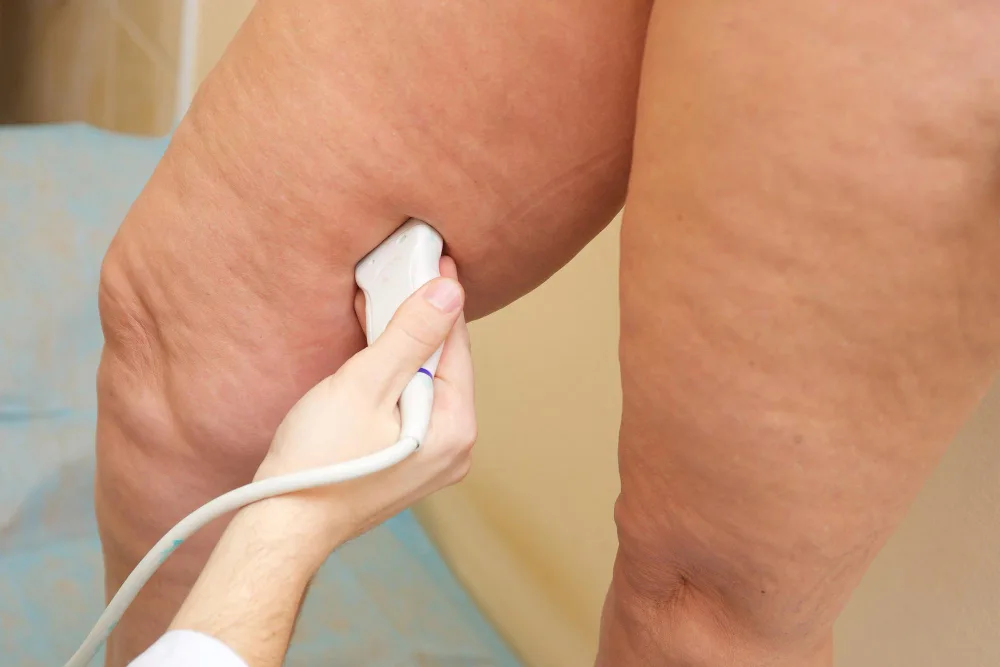
Lipedema liposuction can be life-changing for those struggling with this chronic condition. The procedure offers hope for reduced pain, improved mobility, and enhanced quality of life. However, the success of your treatment doesn't end in the operating room—proper recovery plays a crucial role in achieving optimal results.
Recovery from lipedema liposuction requires patience, dedication, and the right approach. Unlike cosmetic liposuction, this procedure addresses a medical condition that affects lymphatic function and tissue structure. Understanding what to expect and how to support your body's healing process can make the difference between a good outcome and an exceptional one.
This comprehensive guide will walk you through essential recovery tips, helping you navigate the weeks and months following your lipedema liposuction with confidence and clarity.
Understanding the Lipedema Liposuction Recovery Timeline
Recovery from lipedema liposuction follows a predictable pattern, though individual experiences may vary. The first 48 hours are typically the most challenging, with moderate discomfort, swelling, and limited mobility. Most patients can return to light activities within a week, but complete healing takes several months.
The initial two weeks focus on rest and gentle movement. Swelling peaks during this time before gradually subsiding. By week three, many patients notice significant improvements in comfort and mobility. Full results become apparent between three to six months post-procedure, as tissues settle and inflammation resolves completely.
Understanding this timeline helps set realistic expectations and prevents anxiety about normal healing processes. Each phase brings its own requirements and opportunities for supporting optimal recovery.
Managing Pain and Discomfort Effectively
Pain management after lipedema liposuction requires a multi-faceted approach. Your surgeon will prescribe appropriate medications, typically including anti-inflammatories and pain relievers. Take these as directed, staying ahead of pain rather than waiting for it to become severe.
Beyond medication, several strategies can enhance comfort. Elevation of treated areas reduces swelling and associated discomfort. Cold therapy during the first 48 hours helps minimize inflammation, while gentle heat application after this period can improve circulation and reduce stiffness.
Sleep position matters significantly during recovery. Many patients find sleeping in a recliner or with multiple pillows helpful for maintaining elevation. Quality rest is essential for healing, so don't hesitate to adjust your environment for maximum comfort.
The Critical Role of Compression Garments
Compression garments are perhaps the most important tool in your recovery arsenal. These specially designed garments support healing tissues, reduce swelling, and help achieve optimal contouring results. Your surgical team will provide specific instructions about when and how long to wear them.
Proper fit is essential—garments should provide firm, even pressure without creating painful indentations or restricting circulation. Most patients wear compression garments continuously for the first few weeks, then gradually reduce usage as directed by their surgeon.
Don't underestimate the psychological benefits of compression garments. Many patients report feeling more secure and confident when wearing them, especially during the vulnerable early recovery period. This added confidence can positively impact your overall healing experience.
Lymphatic Drainage and Massage Techniques
Manual lymphatic drainage (MLD) plays a vital role in lipedema liposuction recovery. This specialized massage technique helps move excess fluid from treated areas, reducing swelling and promoting healing. Many surgeons recommend beginning MLD within the first week post-procedure.
Professional lymphatic massage therapists trained in post-surgical care provide the most effective treatment. However, your surgeon may also teach you gentle self-massage techniques to use between professional sessions. These techniques focus on encouraging lymphatic flow toward functioning drainage points.
Consistency is key with lymphatic drainage. Regular sessions, combined with proper hydration and movement, create an environment that supports your body's natural healing mechanisms. Most patients notice reduced swelling and improved comfort with consistent lymphatic drainage therapy.
Gradual Return to Physical Activity
Movement is medicine after lipedema liposuction, but the key is gradual progression. Start with gentle walks as soon as cleared by your surgeon, typically within the first few days. Walking promotes circulation, prevents blood clots, and supports the healing process.
Avoid high-impact activities, heavy lifting, and strenuous exercise for at least four to six weeks. Your body needs time to heal internally, even if external incisions appear well-healed. Premature return to intense activity can cause complications and potentially compromise your results.
Listen to your body throughout the recovery process. Some days you'll feel energetic and capable; others may require more rest. This variability is normal and expected. Gradually increase activity levels as comfort and energy improve, always following your surgeon's specific guidelines.
Nutrition and Hydration for Optimal Healing
Proper nutrition fuels the healing process and supports optimal recovery outcomes. Focus on anti-inflammatory foods including leafy greens, berries, fatty fish, and colorful vegetables. Protein is particularly important for tissue repair—aim for lean sources like chicken, fish, legumes, and dairy products.
Hydration plays a crucial role in lymphatic function and overall healing. Adequate water intake helps flush toxins, reduces swelling, and supports cellular repair processes. Most patients benefit from drinking at least eight glasses of water daily, though individual needs may vary.
Limit processed foods, excessive sodium, and alcohol during recovery. These can increase inflammation and interfere with the healing process. Consider consulting with a nutritionist familiar with post-surgical recovery to develop a personalized eating plan that supports your specific needs.
Managing Emotional Aspects of Recovery
Recovery from lipedema liposuction involves emotional as well as physical healing. It's common to experience a range of emotions, from excitement about anticipated results to frustration with temporary limitations. Acknowledging these feelings as normal parts of the process can help you cope more effectively.
Connect with support networks, whether through online communities, support groups, or trusted friends and family. Sharing experiences with others who understand your journey can provide valuable encouragement and practical advice.
Practice patience with yourself and the healing process. Results take time to fully develop, and comparing your progress to others can create unnecessary stress. Focus on small improvements and celebrate milestones along the way.
When to Contact Your Surgical Team
Knowing when to reach out to your surgical team provides peace of mind and ensures prompt attention to any concerns. Contact your surgeon immediately if you experience signs of infection, including fever, increased redness, warmth, or unusual discharge from incision sites.
Sudden, severe pain that doesn't respond to prescribed medications warrants immediate attention. Similarly, signs of blood clots such as leg swelling, shortness of breath, or chest pain require urgent medical evaluation.
Don't hesitate to call with questions about normal healing processes. Your surgical team is there to support you throughout recovery and would rather address concerns early than deal with complications later. Most practices have after-hours contact procedures for urgent situations.
Setting Yourself Up for Long-Term Success
Recovery from lipedema liposuction extends beyond the initial healing period. Maintaining results requires ongoing commitment to healthy lifestyle choices, including regular exercise appropriate for your condition, proper nutrition, and consistent self-care practices.
Continue wearing compression garments as recommended, even after the initial recovery period. Many patients benefit from ongoing compression therapy to maintain results and prevent disease progression in untreated areas.
Regular follow-up appointments with your surgical team allow for monitoring of your progress and addressing any concerns that may arise. These appointments also provide opportunities to discuss additional treatments or maintenance strategies as needed.
Taking the Next Step Toward Recovery
Recovery from lipedema liposuction is a journey that requires patience, dedication, and proper support. By following these evidence-based recovery tips and working closely with your surgical team, you can optimize your healing process and achieve the best possible outcomes from your procedure.
Remember that every patient's recovery experience is unique. What matters most is following your surgeon's specific instructions, listening to your body, and maintaining realistic expectations about the healing timeline.
If you're interested in lipedema liposuction, contact Byrd Lipedema Surgery Center today to schedule a consultation. Our experienced team can help you understand whether this treatment is right for you and guide you through every step of the process, from initial evaluation through complete recovery.