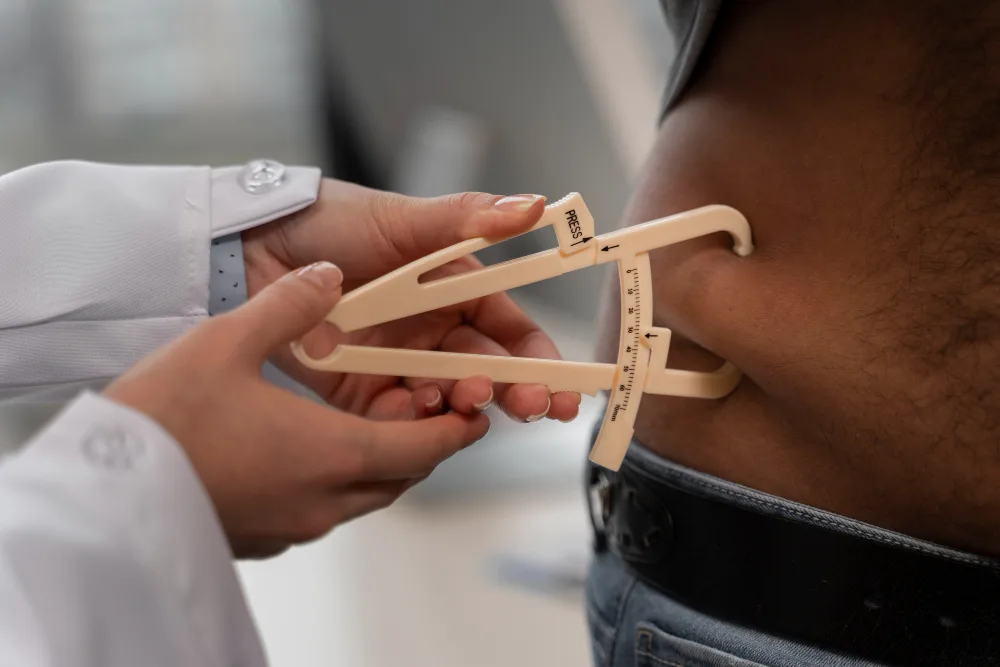
Preparing for lipectomy surgery can feel overwhelming, especially when you're already dealing with the physical and emotional challenges of lipedema. This comprehensive guide will walk you through everything you need to know to prepare for your procedure, from the weeks leading up to surgery to the day of your operation.
Understanding what to expect and how to properly prepare can significantly impact your surgical outcome and recovery process. Whether this is your first surgical procedure or you've had previous operations, taking the right steps beforehand will help ensure the best possible results from your lipectomy.
Understanding Lipectomy Surgery
Lipectomy is a surgical procedure specifically designed to remove diseased fat tissue associated with lipedema. Unlike standard liposuction, this procedure targets the abnormal fat deposits that cause pain, swelling, and mobility issues in lipedema patients.
The surgery involves making small incisions through which specialized instruments remove the problematic tissue while preserving the lymphatic system. This targeted approach helps reduce symptoms while improving overall quality of life for patients living with lipedema.
Pre-Surgery Medical Preparations
Medical Clearance and Testing
Your surgeon will require several medical tests before your procedure. These typically include blood work to check your complete blood count, clotting factors, and overall health status. You may also need an electrocardiogram (EKG) to assess heart function and ensure you're cleared for anesthesia.
If you have any chronic medical conditions such as diabetes, heart disease, or autoimmune disorders, your surgeon will work closely with your other healthcare providers to optimize your health before surgery. This collaborative approach helps minimize complications and promotes better healing.
Medication Management
Review all medications and supplements with your surgical team at least two weeks before your procedure. Some medications can increase bleeding risk or interfere with anesthesia, including blood thinners, aspirin, and certain herbal supplements like ginkgo biloba or garlic extract.
Your surgeon will provide a comprehensive list of medications to avoid and may prescribe antibiotics to take before surgery to prevent infection. Never stop taking prescribed medications without explicit instructions from your healthcare team.
Lifestyle Modifications Before Surgery
Nutrition and Hydration
Maintaining proper nutrition in the weeks leading up to surgery supports your body's healing capacity. Focus on eating plenty of protein, which is essential for tissue repair, along with fruits and vegetables rich in vitamins and antioxidants.
Stay well-hydrated by drinking plenty of water daily, but follow your surgeon's specific instructions about eating and drinking before surgery. Typically, you'll need to stop eating solid foods 8-12 hours before your procedure and clear liquids 2-4 hours beforehand.
Exercise and Physical Preparation
While you shouldn't start any new intense exercise routines before surgery, maintaining your current activity level can help with recovery. Gentle activities like walking or swimming can improve circulation and overall fitness.
Your surgeon may recommend specific exercises to strengthen areas that will support your recovery, such as breathing exercises to prevent post-operative pneumonia or gentle stretching to maintain flexibility.
Smoking and Alcohol Cessation
If you smoke, quitting at least four weeks before surgery is crucial. Smoking significantly impairs healing by reducing oxygen delivery to tissues and increasing infection risk. Your surgical team can provide resources to help you quit successfully.
Limit alcohol consumption in the weeks before surgery, as alcohol can interfere with medications and affect your body's ability to heal properly.
Preparing Your Home Environment
Creating a Recovery Space
Set up a comfortable recovery area on the main floor of your home to avoid stairs during the initial healing period. Your recovery space should include a comfortable recliner or bed with extra pillows to help you sleep in an elevated position.
Stock your recovery area with entertainment options like books, magazines, or streaming devices, along with easy-to-reach snacks and water bottles. Consider purchasing a small refrigerator or cooler to keep nearby if your kitchen is far from your recovery space.
Gathering Recovery Supplies
Purchase compression garments as recommended by your surgical team before your procedure date. These specialized garments are essential for reducing swelling and supporting the healing process.
Other helpful supplies include loose-fitting clothing that opens in the front, comfortable slip-on shoes, antibacterial soap for incision care, and any prescribed medications. Having these items ready beforehand eliminates stress during recovery.
Arranging Support Systems
Transportation and Assistance
Arrange for reliable transportation to and from your surgery, as you won't be able to drive while taking pain medications. Plan for someone to stay with you for at least the first 24-48 hours after surgery to help with daily activities and monitor for any complications.
If you live alone, consider staying with family or friends during the initial recovery period, or arrange for professional care assistance. Having support readily available provides peace of mind and ensures proper care during this vulnerable time.
Work and Childcare Arrangements
Plan for adequate time off work, typically 1-2 weeks for desk jobs or longer for physically demanding occupations. Communicate with your employer about your surgery and expected return date, providing any necessary medical documentation.
Arrange reliable childcare if you have young children, as you'll have lifting restrictions during recovery. Extended family, friends, or professional caregivers can provide essential support during this period.
Final Preparations
The Night Before Surgery
Get a good night's sleep before your procedure by following your normal bedtime routine. Take a shower using the antibacterial soap provided by your surgical team, and avoid applying lotions, perfumes, or makeup after bathing.
Prepare an overnight bag with comfortable clothes, important documents, insurance cards, and a list of your medications. Even for outpatient procedures, it's wise to be prepared in case an overnight stay becomes necessary.
Day of Surgery
Wear loose, comfortable clothing that opens in the front, avoiding tight-fitting items that might be difficult to put on after surgery. Leave jewelry, contact lenses, and valuables at home, bringing only essential items.
Arrive at the surgical center on time and follow all pre-operative instructions carefully. This includes fasting requirements and taking any prescribed pre-operative medications as directed.
Choosing the Right Surgical Center
Selecting an experienced lipectomy surgery center is crucial for optimal results and safety. Look for facilities that specialize in lipedema treatment and have board-certified surgeons with extensive experience in these procedures.
The right surgical center will provide comprehensive pre-operative education, detailed post-operative care instructions, and ongoing support throughout your recovery journey. They should also have proper accreditation and maintain the highest safety standards.
Taking the Next Step in Your Journey
Proper preparation for lipectomy surgery sets the foundation for successful outcomes and smoother recovery. By following these guidelines and working closely with your surgical team, you're taking an important step toward managing your lipedema and improving your quality of life.
Remember that every patient's journey is unique, and your surgical team will provide personalized instructions based on your specific needs and medical history. Don't hesitate to ask questions or voice concerns during your pre-operative consultations.
If you're looking for a trusted lipectomy surgery center, contact Byrd Lipedema Surgery Center today to schedule an appointment. Their experienced team specializes in lipedema treatment and can guide you through every step of your surgical journey with expertise and compassion.