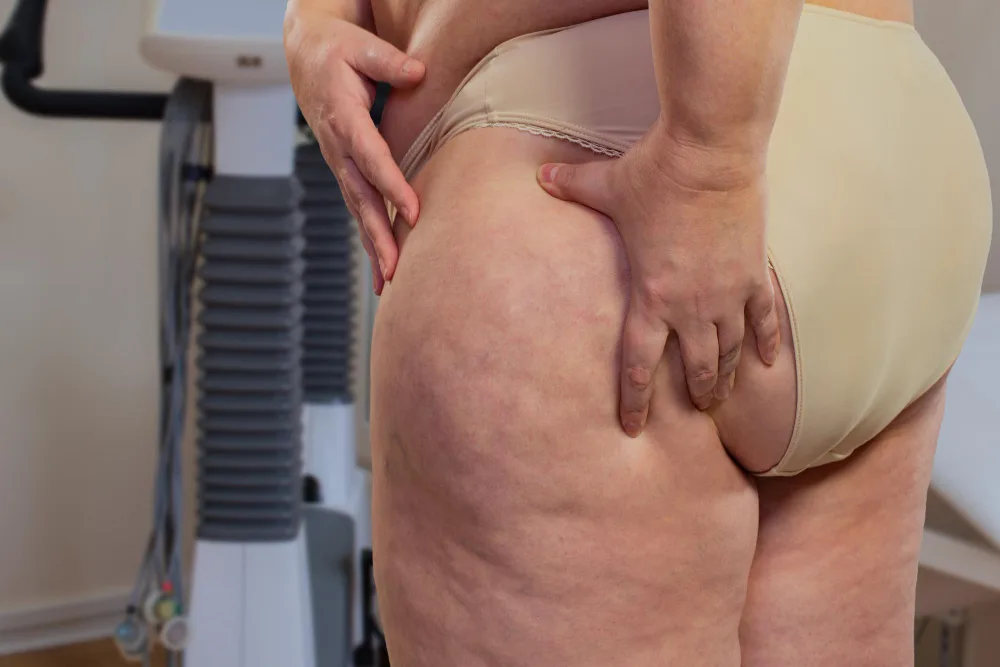
Lipedema is a chronic and often misunderstood medical condition that affects millions of women worldwide. Characterized by the disproportionate accumulation of fat in the legs and arms, it is frequently misdiagnosed as simple obesity. This misunderstanding leads to significant physical pain, mobility issues, and emotional distress for those affected. While lifestyle changes like diet and exercise are often recommended, they typically fail to address the root cause of Lipedema fat, leaving surgery as the most effective treatment.
However, Lipedema surgery is often wrongly perceived as a cosmetic procedure, driven by vanity rather than medical need. This misconception creates significant barriers for patients seeking treatment, from social stigma to challenges with insurance coverage. This article will explain the science behind Lipedema, clarify why surgical intervention is a medical necessity, and highlight how it can dramatically improve a patient's quality of life. Understanding the true nature of this condition is the first step toward providing proper care and support for those who live with it every day.
What Is Lipedema?
Lipedema is a chronic disease of adipose tissue that causes a painful, abnormal accumulation of fat, primarily in the lower body. Unlike common obesity, Lipedema fat is resistant to diet and exercise. It can affect the legs, thighs, buttocks, and sometimes the arms, while sparing the hands and feet. This creates a distinct "column-like" appearance in the limbs.
Key characteristics of Lipedema include:
- Symmetrical Fat Distribution: The swelling affects both sides of the body equally.
- Pain and Tenderness: The affected areas are often painful to the touch and bruise easily.
- "Cuffing" at Ankles/Wrists: Fat accumulation stops abruptly at the ankles or wrists, creating a bracelet-like effect.
- Resistance to Weight Loss: The abnormal fat does not respond to conventional weight loss methods.
Lipedema typically develops or worsens during times of hormonal change, such as puberty, pregnancy, or menopause, suggesting a strong hormonal link. As the condition progresses through its stages, the physical symptoms can become more severe, leading to significant health complications.
The Stages and Progression of Lipedema
Lipedema is a progressive condition, typically categorized into four stages. Without intervention, patients often move from one stage to the next, with symptoms becoming increasingly severe.
- Stage 1: The skin is smooth, but the underlying fat tissue has started to thicken. Swelling may increase during the day but can improve with rest and elevation. Pain is often present but may be mild.
- Stage 2: The skin surface becomes uneven and develops a "mattress-like" texture due to the formation of larger fat nodules. Bruising becomes more frequent, and the pain intensifies.
- Stage 3: Large masses of fat tissue form, causing significant deformities, especially around the thighs and knees. These fat lobes can interfere with walking and mobility. Lymphedema (the accumulation of lymphatic fluid) may also develop at this stage, creating a combined condition known as Lipo-Lymphedema.
- Stage 4: This stage involves the presence of both advanced Lipedema and Lymphedema. The swelling is severe, the tissue becomes hardened (fibrosis), and the risk of skin infections and other complications increases dramatically.
The progression of Lipedema underscores its medical nature. It is not a static cosmetic issue but a degenerative disease that profoundly impacts a person's physical health and function.
The Medical Necessity of Lipedema Surgery
While conservative treatments like compression therapy, manual lymphatic drainage, and a healthy lifestyle can help manage symptoms, they do not remove the diseased fat tissue. For many patients, especially those in later stages, Lipedema surgery is the only effective treatment to halt the progression of the disease and alleviate its debilitating symptoms.
Here’s why Lipedema surgery is considered a medical necessity:
Alleviating Chronic Pain
One of the most debilitating symptoms of Lipedema is chronic pain. The abnormal fat tissue is often inflamed and puts pressure on nerves and surrounding structures. This results in a constant, aching pain that can range from mild to severe. Surgical removal of this diseased fat directly addresses the source of the pain, providing significant and lasting relief that conservative treatments cannot achieve.
Improving Mobility and Function
As Lipedema progresses, the sheer volume and weight of the excess fat can severely restrict movement. Simple activities like walking, climbing stairs, or even standing for extended periods can become difficult and painful. The formation of large fat lobes can alter a person's gait, leading to joint problems in the knees and hips. By removing this physical burden, Lipedema surgery restores mobility, allowing patients to regain their independence and participate more fully in daily life.
Preventing Lymphedema and Other Complications
In its advanced stages, Lipedema can impair the function of the lymphatic system. The excess fat tissue can compress lymphatic vessels, hindering the flow of lymph fluid and leading to Lipo-Lymphedema. This secondary Lymphedema causes further swelling, increases the risk of serious skin infections (cellulitis), and hardens the tissue.
Lipedema surgery, particularly when performed using lymphatic-sparing techniques like water-assisted liposuction, can prevent the onset of Lymphedema or stop its progression. By debulking the fat, the surgery relieves pressure on the lymphatic system, allowing it to function more effectively.
Addressing the Psychological Toll
Living with a chronic, painful, and deforming condition takes a significant psychological toll. Many individuals with Lipedema suffer from anxiety, depression, and low self-esteem due to their physical appearance and the constant struggle with symptoms. The misconception that they are simply "overweight" leads to feelings of guilt and frustration.
For these patients, Lipedema surgery can be life-changing. By addressing the physical aspects of the disease, it can lead to profound improvements in mental health and overall well-being. This is not about vanity; it is about restoring a sense of self and enabling a person to live without the constant physical and emotional burden of the disease.
Your Path to Relief and Recovery
Lipedema is a serious medical condition that requires a specialized approach to treatment. Dismissing Lipedema surgery as a cosmetic choice ignores the scientific evidence and the lived experiences of millions of women. This procedure is a medically necessary intervention that addresses chronic pain, restores mobility, prevents severe complications, and improves the overall quality of life.
If you are struggling with the symptoms of Lipedema and believe you may be a candidate for surgical treatment, it's crucial to seek expert care. At the Byrd Lipedema Surgery Center, our team specializes in diagnosing and treating Lipedema with compassionate, state-of-the-art care.
Don't let Lipedema control your life any longer. Contact the Byrd Lipedema Surgery Center today to schedule a consultation and take the first step toward a healthier, more comfortable future.