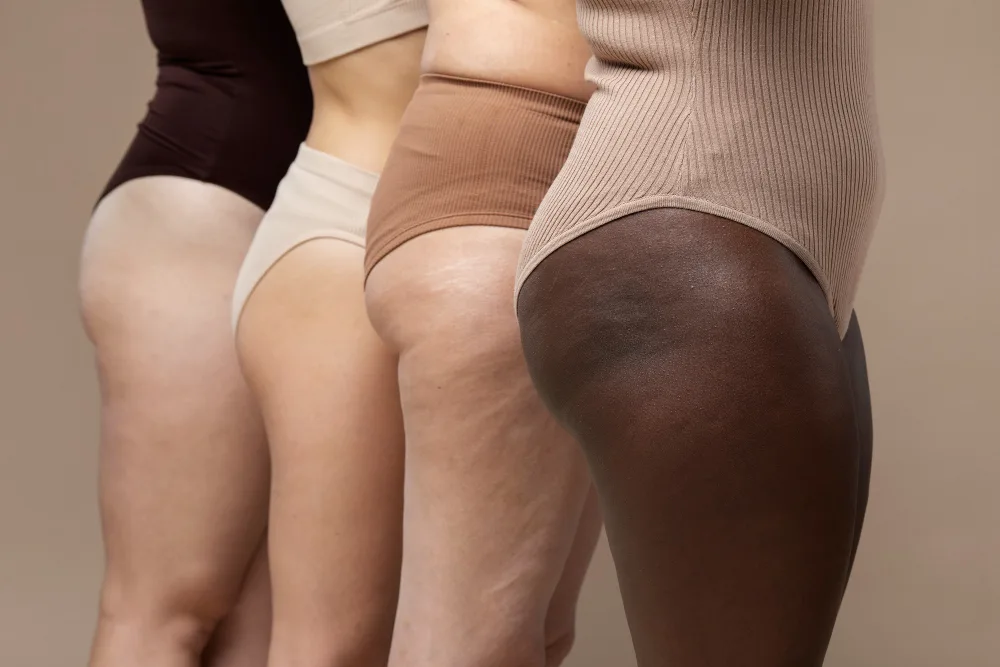
Lipedema is a chronic and often misunderstood condition characterized by a painful, abnormal accumulation of fat, typically in the legs and arms. While lifestyle changes like diet and exercise can help manage symptoms, they often don’t address the root cause—the diseased fat tissue itself. For many, lipedema surgery offers a path toward relief and improved quality of life.
But is surgery the right choice for everyone? The decision to undergo a procedure like water-assisted or tumescent liposuction is significant and requires careful consideration. This guide will walk you through the key factors that determine whether you might be a good candidate for lipedema surgery, helping you make an informed decision about your health.
What is Lipedema Surgery?
Lipedema surgery is a specialized type of liposuction designed to remove the abnormal, painful fat associated with the condition. Unlike cosmetic liposuction, which targets superficial fat, lipedema surgery focuses on debulking the diseased tissue while preserving essential structures like lymphatic vessels and blood vessels.
The primary goals of the surgery are to:
- Reduce pain and tenderness.
- Improve mobility and function.
- Decrease the size and volume of affected limbs.
- Slow or halt the progression of the disease.
Two common techniques are used:
- Tumescent Liposuction: A large volume of diluted local anesthetic and epinephrine is injected into the fat tissue, making it swollen and firm (tumescent). This allows for easier and safer fat removal.
- Water-Assisted Liposuction (WAL): A fan-shaped jet of tumescent fluid is used to dislodge fat cells, which are then immediately suctioned out. This method is considered particularly gentle on the lymphatic system.
Because these procedures are specialized, they should only be performed by a surgeon with extensive experience in treating lipedema.
Key Factors of a Good Candidate
Determining your suitability for lipedema surgery involves a comprehensive evaluation by a qualified surgeon. They will consider your overall health, the stage of your lipedema, and your personal goals. Here are the main criteria that define a good candidate.
Confirmed Lipedema Diagnosis
First and foremost, you must have a confirmed diagnosis of lipedema from a qualified healthcare professional. Lipedema is frequently misdiagnosed as simple obesity or lymphedema, so getting an accurate diagnosis is a critical first step.
A specialist will typically diagnose lipedema based on a physical examination, looking for key signs such as:
- Symmetrical, disproportionate fat accumulation in the limbs, often sparing the hands and feet.
- Fat that is painful, tender to the touch, and bruises easily.
- A "cuff" or "bracelet" effect at the ankles or wrists.
- A nodular or "bean-bag" texture to the subcutaneous tissue.
- Limited or no response to traditional diet and exercise.
Failure of Conservative Treatments
Surgery is generally considered only after conservative management techniques have been tried without sufficient success. Before recommending a surgical approach, your doctor will want to see that you have consistently engaged in non-surgical therapies.
These treatments are aimed at managing symptoms and may include:
- Compression Therapy: Wearing custom-fitted compression garments to reduce swelling and provide support.
- Manual Lymphatic Drainage (MLD): A specialized massage technique to stimulate the lymphatic system and reduce fluid buildup.
- Healthy Diet: An anti-inflammatory diet can help manage symptoms, although it won't eliminate lipedema fat.
- Low-Impact Exercise: Activities like swimming, cycling, and walking can improve mobility and lymphatic flow without putting stress on the joints.
If these methods fail to provide adequate pain relief or halt the progression of the disease, you may be a strong candidate for surgery.
Good Overall Health
While lipedema itself is a health condition, candidates for surgery should otherwise be in good general health. This minimizes the risks associated with anesthesia and the surgical procedure itself. Your surgeon will evaluate you for any underlying conditions that could complicate surgery, such as:
- Uncontrolled diabetes
- Severe heart or lung disease
- Blood clotting disorders
- Active infections
You will likely need medical clearance from your primary care physician before the procedure. It’s also important to have a Body Mass Index (BMI) within a safe range for surgery, as determined by your surgeon. While lipedema affects weight, managing non-lipedema fat can improve surgical outcomes.
Realistic Expectations
Understanding what lipedema surgery can and cannot achieve is crucial for patient satisfaction. A good candidate has realistic expectations about the outcomes.
What surgery can do:
- Significantly reduce pain and heaviness in the limbs.
- Improve mobility, making daily activities easier.
- Reduce the bulk of the affected limbs.
- Potentially slow the progression to more advanced stages, like lipo-lymphedema.
What surgery cannot do:
- "Cure" lipedema entirely, as it is a chronic condition.
- Eliminate the need for ongoing conservative management, like compression and a healthy lifestyle.
- Guarantee a specific cosmetic result, as the primary goal is functional improvement and pain relief.
Discussing your goals openly with your surgeon will help ensure you are both aligned on the expected results.
Commitment to Post-Operative Care
The success of lipedema surgery is heavily dependent on your commitment to the recovery process and long-term care. Recovery involves a dedicated regimen that must be followed closely.
A good candidate is prepared to:
- Wear compression garments continuously for several weeks or months post-surgery to control swelling and support tissue healing.
- Attend follow-up appointments with the surgical team.
- Engage in post-operative therapy, such as Manual Lymphatic Drainage, as recommended.
- Maintain a healthy lifestyle, including a balanced diet and regular exercise, to support long-term results.
This commitment is non-negotiable for achieving the best possible outcome and maintaining your results over time.
When Might You Not Be a Good Candidate?
Conversely, there are certain situations where lipedema surgery may not be the best option. You might not be a good candidate if:
- You have not received an official lipedema diagnosis.
- You have not attempted or been consistent with conservative treatments.
- You have significant health issues that make surgery too risky.
- You are an active smoker and are unwilling to quit before and after surgery, as smoking severely impairs healing.
- Your primary motivation is cosmetic, rather than functional improvement and pain relief.
- You are not prepared to follow the required post-operative care plan.
Your Path to a Better Quality of Life
If you're struggling with the pain, heaviness, and mobility challenges of lipedema, surgery could be a transformative step toward reclaiming your life. By removing the diseased fat tissue, this procedure offers a unique opportunity to address the condition at its source, providing relief that conservative treatments alone often cannot.
The journey starts with a simple conversation. A thorough consultation with a lipedema specialist will help you understand your options and determine if you are a suitable candidate. If you believe lipedema surgery might be right for you, we encourage you to take the next step.
The team at Byrd Lipedema Surgery Center is dedicated to helping patients find relief and improve their quality of life. Contact us today to schedule an appointment and explore your treatment options.