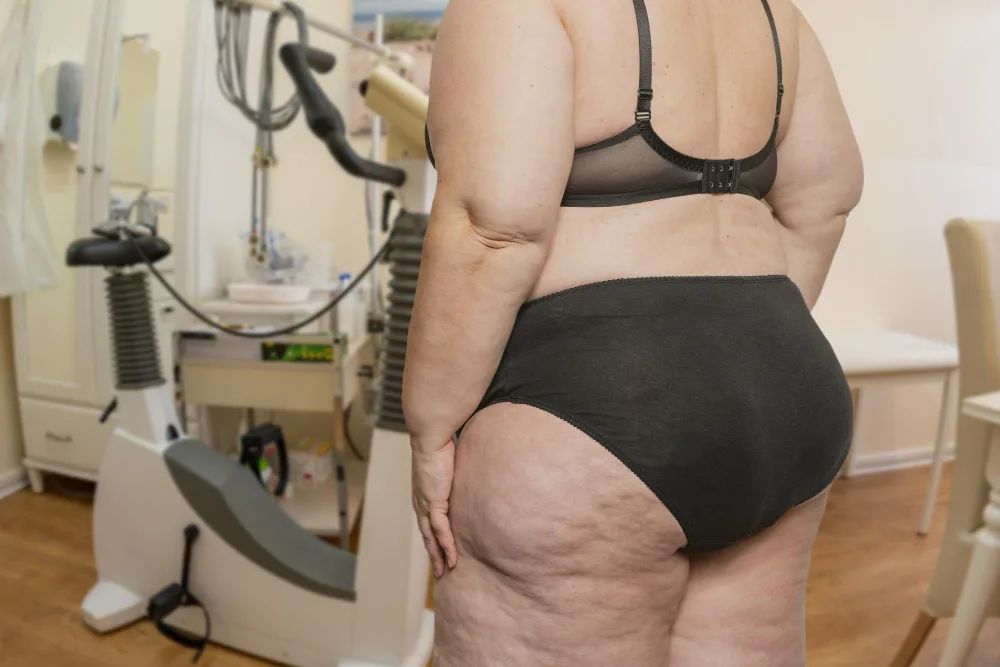
Living with lipedema can feel overwhelming, especially when conservative treatments aren't providing the relief you need. While compression garments, physical therapy, and dietary changes help many people manage their symptoms, there comes a point when more comprehensive intervention becomes necessary.
Understanding when to seek advanced care is crucial for preventing progression and improving quality of life. Many patients struggle with this decision, unsure whether their symptoms warrant specialized treatment or if they should continue managing the condition on their own.
This guide will help you recognize the key indicators that suggest it's time to explore advanced lipedema treatment options and connect with a specialized lipedema treatment center.
Understanding Lipedema Progression
Lipedema is a progressive condition that affects the way fat is distributed in your body, primarily in the legs and arms. Unlike regular weight gain, lipedema creates a distinct pattern of fat accumulation that's resistant to diet and exercise.
The condition typically progresses through several stages, each presenting unique challenges. Early stages may involve mild swelling and tenderness, while advanced stages can include significant mobility issues, chronic pain, and secondary complications like lymphedema.
Recognizing progression is essential because lipedema rarely improves on its own. Without proper intervention, the condition tends to worsen over time, making early identification and treatment planning critical for long-term outcomes.
Signs You Need Advanced Treatment
Physical Symptoms That Indicate Progression
Several physical changes suggest your lipedema requires more than basic management. Persistent pain that interferes with daily activities is often the first red flag. This pain may feel like heaviness, burning, or aching that doesn't respond well to over-the-counter medications.
Increasing asymmetry between affected and unaffected areas is another concern. When the difference becomes more pronounced over time, it often indicates active progression that needs professional attention.
Skin changes also warrant evaluation. These might include increased sensitivity, easy bruising, or the development of nodules under the skin. Some patients notice their skin becoming more fragile or prone to infections.
Mobility and Function Limitations
When lipedema begins affecting your ability to move comfortably, advanced treatment becomes necessary. This includes difficulty walking long distances, climbing stairs, or participating in activities you previously enjoyed.
Joint pain in the hips, knees, or ankles often develops as the body compensates for altered weight distribution. This secondary pain can become as limiting as the lipedema itself if left untreated.
Balance issues may also emerge as the condition progresses. The uneven weight distribution can affect your center of gravity, increasing fall risk and further limiting activity levels.
Psychological and Social Impact
The emotional toll of progressive lipedema shouldn't be underestimated. When the condition begins significantly impacting your mental health, relationships, or career, it's time to consider comprehensive treatment options.
Social withdrawal often occurs as patients become self-conscious about their appearance or physical limitations. This isolation can lead to depression and anxiety, creating a cycle that further impacts overall health.
Body image concerns that interfere with intimate relationships or cause severe distress indicate the need for both medical and psychological support that specialized treatment centers can provide.
Conservative Treatment Limitations
When Standard Approaches Fall Short
Conservative treatments like compression therapy, manual lymphatic drainage, and exercise programs are valuable first-line interventions. However, they have limitations that become apparent as lipedema progresses.
Compression garments may become less effective over time or increasingly difficult to tolerate. Some patients find that what once provided relief now causes discomfort or skin irritation.
Exercise programs, while beneficial for overall health, may not address the specific fat distribution patterns characteristic of lipedema. Patients often become frustrated when their efforts don't yield the expected results.
Plateau in Symptom Management
When your symptoms stop improving or begin worsening despite consistent conservative treatment, it indicates the need for advanced intervention. This plateau often occurs when the underlying structural changes require more than supportive care.
Pain levels that remain high despite multiple management strategies suggest inflammation or mechanical issues that need specialized attention. Similarly, continued functional decline points to progression that won't resolve with conservative measures alone.
Advanced Treatment Options
Surgical Interventions
Specialized lipedema surgery, including liposuction techniques designed specifically for this condition, can provide significant relief when performed by experienced surgeons. These procedures differ from cosmetic liposuction and require specific expertise.
Water-assisted liposuction (WAL) and tumescent liposuction are among the techniques that have shown success in lipedema treatment. The goal isn't just aesthetic improvement but functional enhancement and symptom relief.
Recovery from these procedures requires careful planning and specialized post-operative care, making the choice of treatment center crucial for optimal outcomes.
Comprehensive Care Programs
Advanced treatment often involves a multidisciplinary approach that addresses all aspects of the condition. This might include specialized physical therapy, nutritional counseling, pain management, and psychological support.
Some lipedema treatment centers offer integrated programs that coordinate all these services, ensuring consistent care and communication between providers. This approach often yields better results than seeking individual treatments separately.
Ongoing Monitoring and Adjustment
Advanced treatment plans include regular monitoring to assess progress and adjust interventions as needed. This proactive approach helps prevent setbacks and ensures optimal long-term outcomes.
Regular imaging, functional assessments, and symptom tracking become part of your routine care, allowing early identification of any changes that might require intervention adjustments.
Choosing the Right Treatment Center
Specialized Expertise
Not all medical facilities have experience treating lipedema effectively. Look for centers with surgeons and staff specifically trained in lipedema management, as this condition requires specialized knowledge and techniques.
Board certification in plastic surgery or related specialties is important, but specific lipedema training and experience are equally crucial. Ask about the center's experience with cases similar to yours.
Comprehensive Services
The best lipedema treatment centers offer more than just surgical options. Look for facilities that provide pre-operative preparation, post-operative care, and long-term follow-up services.
Support services like physical therapy, compression fitting, and counseling should be available on-site or through established referral networks. This integration improves care coordination and outcomes.
Patient Support and Education
Quality treatment centers prioritize patient education and support throughout the treatment process. They should provide clear information about what to expect, realistic outcome projections, and ongoing support resources.
Access to support groups or peer networks can be valuable for many patients, providing connection with others who understand the challenges of living with lipedema.
Taking the Next Step in Your Care
Recognizing the need for advanced lipedema treatment is the first step toward reclaiming your quality of life. The decision to pursue specialized care requires careful consideration of your symptoms, treatment goals, and personal circumstances.
Don't wait until symptoms become overwhelming before seeking evaluation. Early intervention often leads to better outcomes and may prevent some of the complications associated with advanced lipedema.
If you're looking for a lipedema treatment center, contact Byrd Lipedema Surgery Center today to schedule a consultation. Their specialized team can evaluate your condition and help develop a treatment plan tailored to your specific needs and goals.