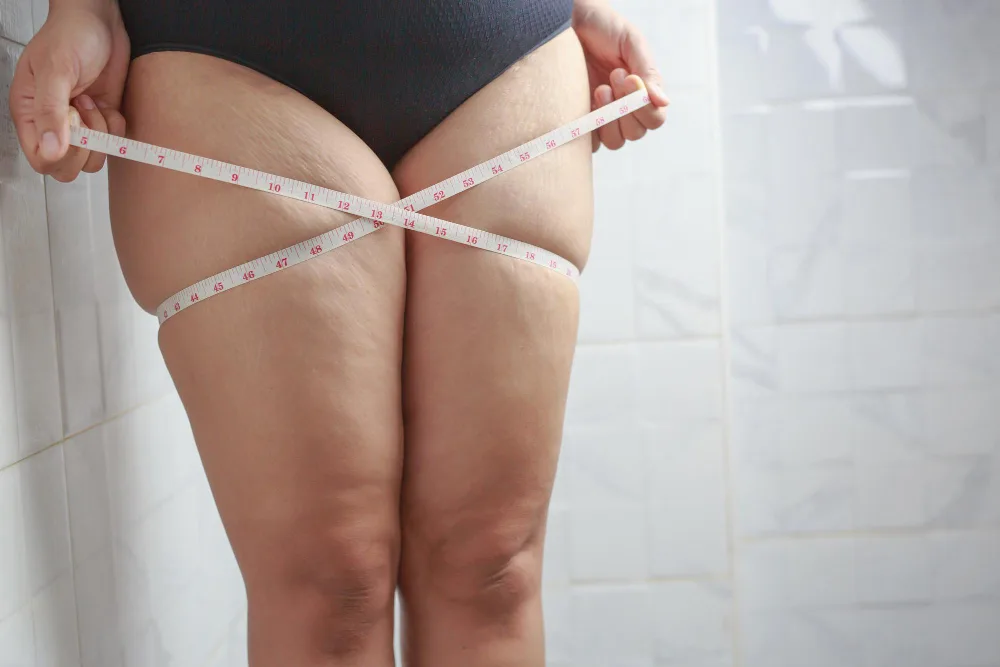
Lipedema affects millions of women worldwide, yet many have never heard of this chronic condition that causes painful fat accumulation in the arms and legs. Unlike typical weight gain, lipedema creates a distinct pattern of swelling that doesn't respond to diet or exercise. For those living with this condition, specialized lipedema liposuction offers hope where traditional treatments have failed.
Understanding the difference between lipedema liposuction and conventional liposuction is crucial for anyone considering surgical treatment. While both procedures remove fat, they serve entirely different purposes and require specialized expertise. This comprehensive guide will explore everything you need to know about lipedema liposuction, from how it works to what makes it uniquely suited for treating this complex condition.
Understanding Lipedema: More Than Just Fat Accumulation
Lipedema is a chronic disorder that causes abnormal fat distribution, primarily affecting women. The condition typically manifests as symmetrical swelling in the legs, thighs, and sometimes arms, creating a disproportionate appearance between the upper and lower body.
Unlike obesity or lymphedema, lipedema has distinct characteristics that set it apart. The affected areas feel tender to the touch, and patients often experience pain, heaviness, and easy bruising. The fat accumulation follows a specific pattern, typically sparing the hands and feet, which creates a characteristic "cuffing" effect at the ankles and wrists.
The condition progresses through different stages, from mild tissue changes to severe deformities that can significantly impact mobility and quality of life. Traditional weight loss methods prove ineffective because lipedema fat is resistant to diet and exercise, making specialized treatment approaches essential.
What Is Lipedema Liposuction?
Lipedema liposuction is a specialized surgical technique designed specifically to remove the diseased fat tissue associated with lipedema. This procedure goes beyond cosmetic improvement—it's a medical treatment that addresses the underlying pathology of the condition.
The technique involves using specialized cannulas (thin tubes) to carefully extract the abnormal fat deposits while preserving the lymphatic system. Surgeons who perform lipedema liposuction undergo specific training to understand the unique characteristics of lipedema tissue and how to safely navigate the affected areas.
The procedure typically targets the subcutaneous fat layer where lipedema develops, focusing on reducing volume while maintaining the integrity of surrounding tissues. This careful approach helps prevent complications and ensures optimal healing outcomes.
How Lipedema Liposuction Differs From Traditional Liposuction
The differences between lipedema liposuction and traditional cosmetic liposuction extend far beyond their intended purposes. Understanding these distinctions helps explain why specialized treatment is necessary for lipedema patients.
Medical vs. Cosmetic Purpose
Traditional liposuction is primarily a cosmetic procedure designed to remove unwanted fat deposits and improve body contouring. Lipedema liposuction, however, is a medical treatment that addresses a chronic disease. The goal isn't just aesthetic improvement—it's symptom relief and functional restoration.
Fat Tissue Characteristics
The fat tissue in lipedema differs significantly from normal adipose tissue. Lipedema fat is often more fibrous, contains more fluid, and has an altered vascular structure. This diseased tissue requires specialized removal techniques that account for these unique properties.
Surgical Technique and Approach
Lipedema liposuction employs gentler techniques to minimize trauma to the lymphatic system. Surgeons use smaller cannulas and apply lower suction pressures to prevent damage to lymphatic vessels, which are often already compromised in lipedema patients.
The procedure also focuses on different anatomical areas. While cosmetic liposuction might target isolated fat deposits, lipedema liposuction addresses the entire affected region systematically to ensure comprehensive treatment.
Volume and Extent of Treatment
Lipedema liposuction typically involves removing larger volumes of tissue compared to cosmetic procedures. Patients may require multiple sessions to address all affected areas safely, as the extensive nature of the condition often affects large portions of the lower body.
The Specialized Techniques Used in Lipedema Liposuction
Several advanced techniques have been developed specifically for treating lipedema, each offering unique advantages for different patient situations.
Tumescent Liposuction
This remains the gold standard for lipedema treatment. The tumescent technique involves injecting a large volume of diluted local anesthetic into the targeted areas, causing the tissues to become firm and swollen (tumescent). This approach provides excellent pain control, reduces bleeding, and allows for more precise fat removal.
Water-Assisted Liposuction (WAL)
WAL uses a gentle water spray to dislodge fat cells while simultaneously suctioning them out. This technique is particularly effective for lipedema because it's less traumatic to surrounding tissues and helps preserve lymphatic vessels.
Power-Assisted Liposuction (PAL)
PAL employs a vibrating cannula that helps break up the fibrous lipedema tissue with less manual force. This technique can be especially beneficial for treating the denser, more fibrous areas commonly found in advanced lipedema cases.
Benefits of Specialized Lipedema Treatment
Patients who undergo lipedema liposuction often experience significant improvements in both physical symptoms and quality of life. The procedure can reduce pain, heaviness, and tenderness while improving mobility and reducing the frequency of infections.
Many patients report decreased swelling and improved proportions, which can have profound psychological benefits. The ability to find properly fitting clothing and engage in physical activities that were previously difficult or impossible represents a major lifestyle improvement.
The procedure also helps prevent disease progression. By removing the diseased tissue, lipedema liposuction can slow or halt the condition's advancement to more severe stages.
Recovery and Long-Term Outcomes
Recovery from lipedema liposuction differs from traditional liposuction recovery due to the medical nature of the procedure and the extensive areas typically treated. Patients usually wear compression garments for several weeks to support healing and help shape the treated areas.
The recovery period may be longer than cosmetic liposuction, but the long-term benefits often justify the extended healing time. Most patients experience gradual improvement over several months as swelling subsides and tissues adapt to their new contours.
Long-term outcomes are generally excellent when the procedure is performed by experienced surgeons who understand lipedema's complexities. While the condition may continue to affect untreated areas, the treated regions typically remain improved indefinitely.
Choosing the Right Surgeon for Lipedema Treatment
Selecting a surgeon with specific lipedema expertise is crucial for optimal outcomes. Look for physicians who have dedicated training in lipedema treatment and regularly perform these specialized procedures.
Experience with the condition's unique characteristics, understanding of lymphatic preservation techniques, and a comprehensive approach to patient care are essential qualifications. The right surgeon will also provide thorough pre-operative evaluation and post-operative support throughout your recovery journey.
Taking the Next Step Toward Treatment
Lipedema liposuction represents a significant advancement in treating this challenging condition. Unlike traditional liposuction, this specialized approach addresses the medical aspects of lipedema while providing the expertise necessary for safe, effective treatment.
If you're living with lipedema symptoms and considering surgical treatment, understanding these differences empowers you to make informed decisions about your care. The specialized nature of lipedema liposuction requires surgeons with specific training and experience, making provider selection a critical factor in your treatment success.
If you're considering lipedema liposuction, contact Byrd Lipedema Surgery Center today to schedule an appointment. Their specialized team can evaluate your condition and discuss whether this advanced treatment approach is right for your specific situation.