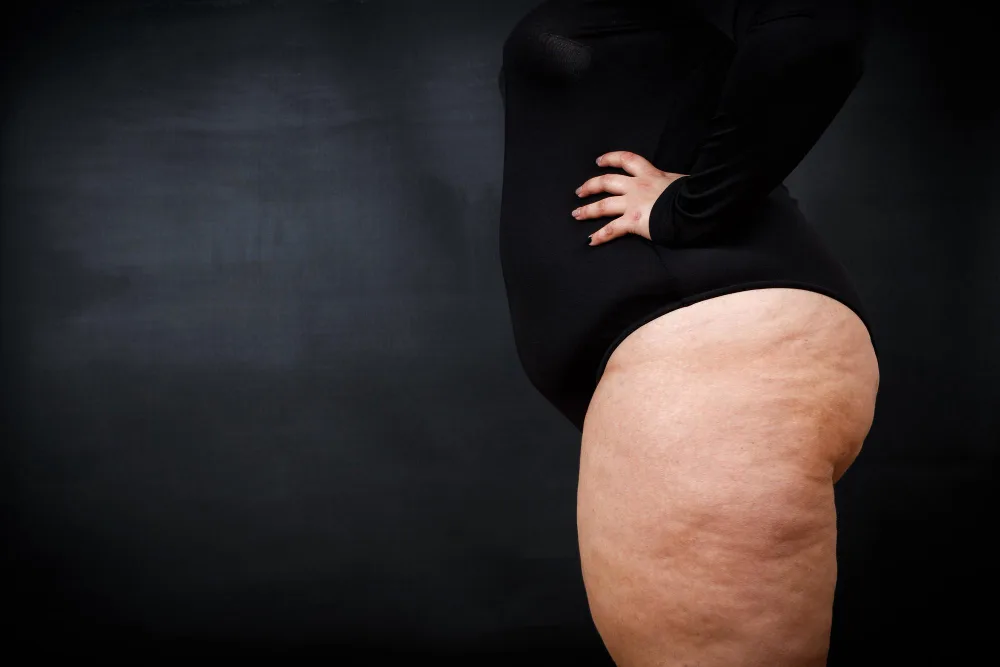
Many women struggle with what they believe is stubborn fat on their legs, hips, and buttocks that won't go away despite diet and exercise. This can be a source of frustration and can significantly impact self-esteem. Often, this isn't just regular weight gain; it could be a medical condition known as lipedema.
Lipedema is a chronic disorder of fat metabolism that causes an abnormal accumulation of fat cells, typically in the lower body. It almost exclusively affects women and is often misdiagnosed as simple obesity or lymphedema. Understanding the signs and symptoms of lipedema is the first step toward getting an accurate diagnosis and finding effective treatment. This guide will explain what lipedema is, its early signs, and what you should do if you suspect you have it.
What Exactly Is Lipedema?
Lipedema (sometimes spelled lipoedema) is a condition characterized by a symmetric and disproportionate buildup of fat tissue in the legs and arms. This is not ordinary fat; it's a specific type of painful fat that is resistant to traditional weight loss methods. The condition can progress over time, leading to pain, mobility issues, and significant emotional distress.
One of the key distinguishing features of lipedema is that it typically spares the hands and feet. This results in a noticeable "cuff" or "bracelet" effect at the wrists and ankles where the swelling stops. While the exact cause is unknown, it's believed to have a genetic component and is often triggered or worsened by hormonal changes, such as puberty, pregnancy, or menopause.
It's important to differentiate lipedema from general obesity and another condition called lymphedema.
- Obesity: While people with lipedema can also be overweight or obese, the fat distribution in lipedema is disproportionate and often painful. Weight loss in individuals with lipedema may reduce fat in the upper body, but the affected lower body areas often remain unchanged.
- Lymphedema: Lymphedema is a buildup of lymphatic fluid that causes swelling. While advanced lipedema can lead to a secondary condition called lipo-lymphedema, primary lymphedema can affect one limb asymmetrically and often involves the hands and feet, which is not typical for early-stage lipedema.
Early Signs and Symptoms of Lipedema
Recognizing lipedema in its early stages is crucial for managing the condition and preventing its progression. The symptoms can vary from person to person, but here are some of the most common early signs to watch for.
Disproportionate Fat Accumulation
The most tell-tale sign of lipedema is a symmetrical, disproportionate fat accumulation in the lower body. You might notice your hips, buttocks, and legs are significantly larger than your upper body. This can create a "pear-shaped" body type. The fat buildup is typically bilateral, meaning it affects both sides of the body equally.
"Column-like" Legs
As fat accumulates, the legs may lose their natural contour and start to appear "column-like." The abnormal fat deposits can fill in the natural curves around the knees and ankles, making the entire leg appear thick from the hip down to the ankle.
Spared Hands and Feet
A hallmark of lipedema is that the fat accumulation stops abruptly at the ankles and wrists. This creates a distinct visual difference between the swollen limbs and the unaffected feet and hands. This "cuff" effect is one of the primary diagnostic criteria for the condition.
Pain and Tenderness
Unlike regular body fat, lipedema fat is often painful. The affected areas can be tender to the touch, and many individuals experience a constant, dull ache. The pain can worsen after long periods of standing or sitting, or at the end of the day.
Easy Bruising
People with lipedema often find that they bruise very easily in the affected areas. A minor bump that wouldn't affect someone else can result in a large, noticeable bruise. This is thought to be due to increased fragility of the small blood vessels within the fatty tissue.
Nodular or "Spongy" Skin Texture
The texture of the skin in lipedema-affected areas can change over time. In the early stages, the skin may feel soft and spongy. As the condition progresses, the fat deposits can feel like small nodules or "peas in a bag" under the skin.
Resistance to Diet and Exercise
One of the most frustrating aspects of lipedema is that the affected fat is highly resistant to traditional weight loss methods. You might lose weight from your upper body, but the fat on your hips and legs remains. This is a key indicator that you may be dealing with more than just standard weight gain.
The Stages of Lipedema
Lipedema is a progressive condition that is typically categorized into four stages. Understanding these stages can help you and your doctor assess the severity of your condition and determine the best course of action.
- Stage 1: The skin is smooth, but the fat tissue is enlarged. You may notice swelling, and the tissue feels soft. Pain may or may not be present at this stage.
- Stage 2: The skin develops indentations and a more uneven, "mattress-like" texture. Larger fat nodules can be felt under the skin. Pain becomes more common.
- Stage 3: The fat accumulation becomes more pronounced, with large masses of tissue, especially around the thighs and knees. These large extrusions of skin and fat can cause mobility issues.
- Stage 4: This stage involves the development of lipo-lymphedema, a condition where the excess fat tissue begins to interfere with the lymphatic system, causing a buildup of lymphatic fluid. This leads to further swelling that also affects the hands and feet.
Seeking a Diagnosis and Treatment
If you suspect you have lipedema, it's essential to seek a diagnosis from a healthcare professional who is knowledgeable about the condition. Many doctors are still unfamiliar with lipedema, so finding the right specialist is key. Look for a vascular specialist, a plastic surgeon specializing in lipedema, or a dedicated lipedema treatment center.
A diagnosis is typically made based on a physical examination and a review of your medical and family history. Key diagnostic features include:
- Symmetrical fat accumulation in legs and/or arms.
- Sparing of the hands and feet.
- Pain and tenderness in the affected areas.
- Easy bruising.
- Resistance to weight loss in affected limbs.
- A negative Stemmer's sign (the ability to pinch the skin on the top of the second toe, which is not possible in primary lymphedema).
While there is no cure for lipedema, there are several treatment options available to manage symptoms, reduce pain, and improve quality of life.
Conservative Treatments
- Compression Therapy: Wearing compression garments can help reduce swelling and provide support to the tissues, which can alleviate pain.
- Manual Lymphatic Drainage (MLD): This is a gentle massage technique that helps stimulate the flow of lymphatic fluid, reducing swelling and discomfort.
- Healthy Diet: While diet alone cannot cure lipedema, a healthy, anti-inflammatory diet can help manage overall weight and reduce inflammation, which may lessen symptoms.
- Low-Impact Exercise: Activities like swimming, water aerobics, and cycling are gentle on the joints and can help improve mobility and lymphatic flow.
Surgical Treatments
For more advanced cases, surgery may be an option. Liposuction, specifically water-assisted or tumescent liposuction, can be used to remove the abnormal fat tissue. This procedure should only be performed by a surgeon with extensive experience in treating lipedema to avoid damaging the lymphatic system.
Your Next Steps
Living with lipedema can be challenging, both physically and emotionally. The journey often begins with recognizing that the "stubborn fat" on your legs and hips might be a medical condition. Understanding the early signs and symptoms is the first, most powerful step you can take. Early diagnosis and management can help slow the progression of the disease and significantly improve your comfort and mobility.
If you are experiencing symptoms and are looking for a lipedema treatment center, don't hesitate to seek expert medical advice. A specialist can provide an accurate diagnosis and create a personalized treatment plan tailored to your needs.
Contact the Byrd Lipedema Surgery Center today to schedule an appointment with our experienced team and begin your journey toward relief and a better quality of life.