Lipedema is a chronic condition characterized by an abnormal accumulation of fat, typically in the legs and arms. It can cause pain, swelling, and mobility issues, significantly impacting a person's quality of life. While lifestyle changes like diet and exercise can help manage symptoms, they often aren't enough to remove the stubborn fat deposits associated with the condition. This is where surgical intervention can offer hope. One of the primary surgical treatments for lipedema is a lipectomy.
If you or a loved one are exploring treatment options for lipedema, understanding what a lipectomy entails is a crucial step. This guide explains what lipectomy is, how it differs from other procedures, who makes a good candidate, and what to expect during the recovery process. By the end, you'll have a clearer picture of whether this procedure is the right choice for managing your lipedema.
What Is a Lipectomy?
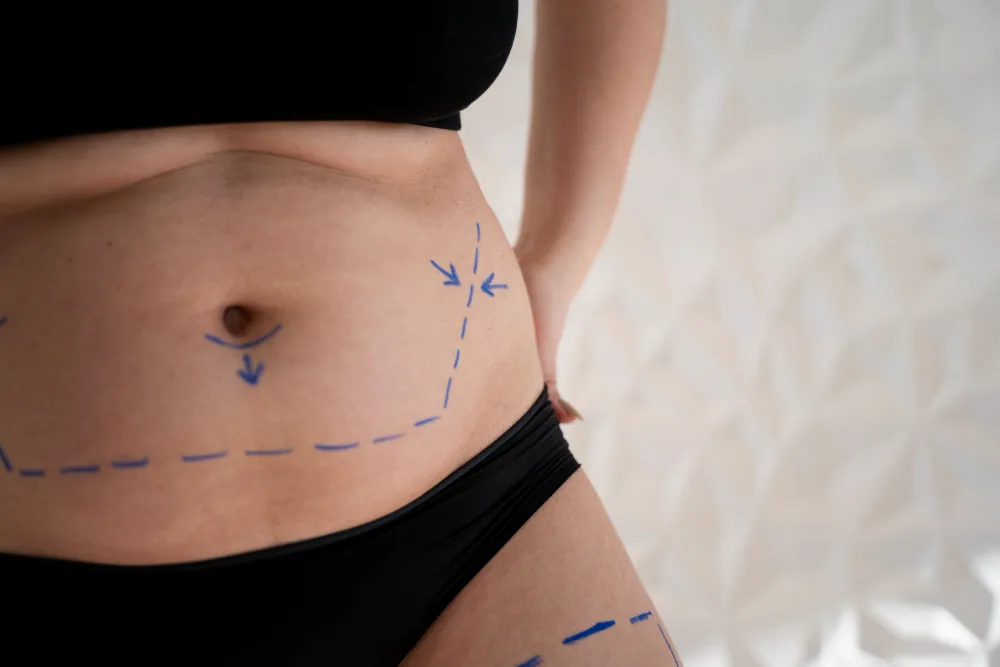
A lipectomy is a surgical procedure designed to remove excess fat and skin from a specific area of the body. For individuals with lipedema, a lipectomy targets the disproportionate buildup of fat cells that do not respond to traditional weight loss methods. The primary goal is to reduce pain, improve mobility, and create a more proportionate body contour.
It's important to distinguish a lipectomy from a panniculectomy, though the terms are sometimes used interchangeably. A panniculectomy specifically removes the pannus, which is the large flap of excess skin and fat that hangs down over the abdomen. A lipectomy can be performed on various parts of the body affected by lipedema, including the thighs, buttocks, abdomen, and arms. The procedure is tailored to the individual's unique needs, focusing on removing diseased tissue to alleviate symptoms.
Lipectomy vs. Liposuction: What’s the Difference?
While both procedures involve fat removal, lipectomy and liposuction are not the same.
- Liposuction is a cosmetic procedure that suctions out fat deposits to improve body shape. It is generally intended for individuals who are close to their ideal weight but have stubborn pockets of fat. It does not typically involve the removal of excess skin.
- Lipectomy, on the other hand, is a reconstructive procedure. It involves surgically cutting away and removing large areas of both fat and skin. This is particularly beneficial for lipedema patients who often have significant amounts of diseased adipose tissue that need to be excised, along with any stretched or excess skin.
For lipedema, specialized liposuction techniques, such as water-assisted or tumescent liposuction, are often used to carefully remove the diseased fat while preserving the lymphatic system. In many cases, a lipectomy may be performed in conjunction with or after liposuction to remove the loose skin that remains after significant fat removal. A qualified surgeon at a specialized lipectomy surgery center can determine the most effective approach.
Who Is an Ideal Candidate for a Lipectomy?
Deciding to undergo a lipectomy is a significant decision. The procedure is typically recommended for individuals who meet specific criteria. A good candidate for a lipectomy usually:
- Has a Confirmed Lipedema Diagnosis: The first step is to get a proper diagnosis from a healthcare professional specializing in lipedema.
- Experiences Significant Symptoms: Candidates often suffer from pain, tenderness, easy bruising, and mobility issues that interfere with their daily lives.
- Has Stable Weight: While not always a strict requirement, being at a stable weight can lead to better surgical outcomes and a smoother recovery.
- Is in Good Overall Health: Candidates should be free from any medical conditions that could complicate surgery or recovery, such as uncontrolled diabetes or heart disease.
- Has Realistic Expectations: It is crucial to understand what a lipectomy can and cannot achieve. The goal is symptom relief and improved function, not cosmetic perfection.
- Has Tried Conservative Treatments: Many surgeons prefer that patients have first attempted non-surgical options like compression therapy, a healthy diet, and low-impact exercise.
The Lipectomy Procedure: What to Expect
The lipectomy process begins with an in-depth consultation at a reputable lipectomy surgery center. During this meeting, your surgeon will evaluate your condition, discuss your goals, and create a personalized surgical plan.
Before the Surgery
Before the procedure, you will be given specific instructions to prepare. This may include stopping certain medications, arranging for help at home during recovery, and undergoing pre-operative medical tests to ensure you are fit for surgery.
During the Surgery
A lipectomy is performed under general anesthesia. The surgeon makes incisions in the targeted area, carefully removes the excess fat and skin, and then closes the incisions with sutures. The length and pattern of the incisions depend on the amount of tissue being removed and the specific area being treated. In some cases, drains may be placed to help remove excess fluid during the initial recovery period.
After the Surgery
Recovery from a lipectomy is a gradual process that requires patience. Immediately after the procedure, you will experience swelling, bruising, and discomfort, which can be managed with prescribed pain medication.
- Initial Recovery: You will need to rest and limit your physical activity for the first few weeks. Wearing compression garments is essential to help reduce swelling and support the healing tissues.
- Follow-Up Appointments: You will have several follow-up appointments with your surgeon to monitor your progress, remove any drains, and ensure you are healing properly.
- Long-Term Recovery: It can take several months for the swelling to fully subside and for the final results to become apparent. Following your surgeon's post-operative instructions carefully is key to achieving the best possible outcome. Most patients can return to work and light activities within a few weeks, but strenuous exercise should be avoided for at least six to eight weeks.
Take the Next Step Toward Relief
A lipectomy can be a life-changing procedure for individuals struggling with the debilitating effects of lipedema. By removing the excess, painful fat and skin, it can significantly improve mobility, reduce pain, and enhance overall quality of life. However, it is a major surgery that requires careful consideration and a commitment to the recovery process.
If you believe a lipectomy might be right for you, the most important step is to consult with a specialist. A qualified surgeon at a dedicated lipectomy surgery center can provide a thorough evaluation and guide you toward the best treatment plan for your unique situation.
Are you ready to explore your options for lipedema treatment? If you're looking for a lipectomy surgery center, contact Byrd Lipedema Surgery Center today to schedule a consultation. Our experienced team is here to help you on your journey to a more comfortable and active life.