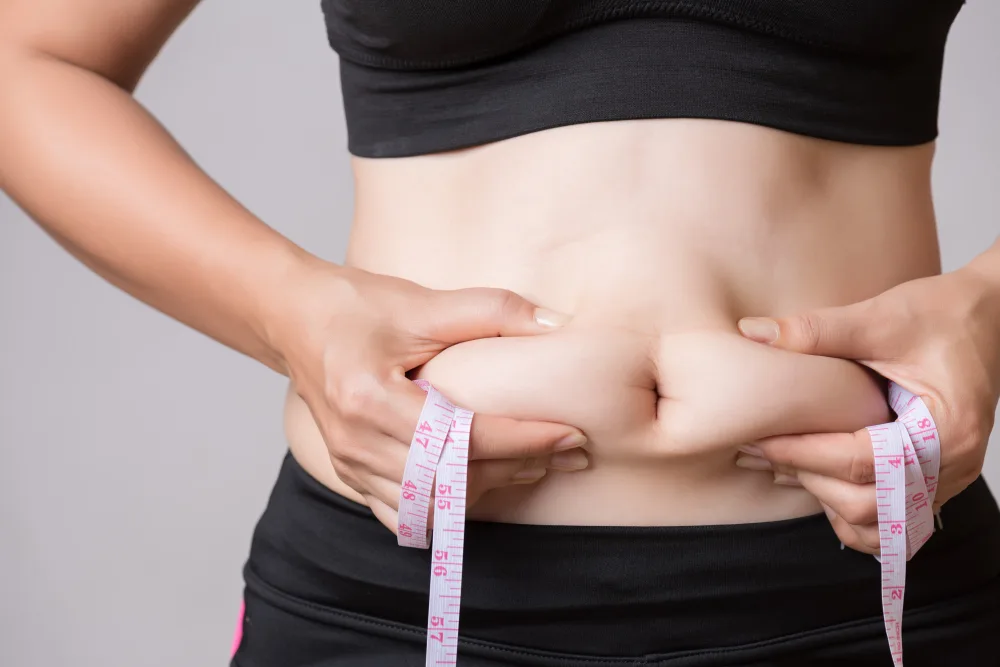
A lipectomy is a surgical procedure that removes excess skin and fatty tissue from the body, most often from the abdomen, arms, thighs, or buttocks. It differs from liposuction, which suctions out smaller fat deposits to refine shape, because a lipectomy cuts away larger sections of loose skin and fat to relieve pain and restore mobility.
Understanding the distinctions between these procedures is crucial for anyone considering surgery to address excess tissue. This post will explain what a lipectomy is, how it differs from liposuction, who makes an ideal candidate, and what you can expect during the recovery process. By the end, you'll have a clearer picture of this transformative surgery and whether it might be the right path for you.
What is a Lipectomy?
A lipectomy is a surgical procedure that removes significant amounts of excess skin and subcutaneous fatty tissue from various parts of the body. Unlike cosmetic liposuction, which focuses on contouring and removing smaller, stubborn fat deposits, a lipectomy addresses larger, more cumbersome areas of tissue. This excess tissue can cause physical discomfort, mobility issues, skin irritation, and emotional distress.
This procedure is often performed on the abdomen (sometimes called a panniculectomy), but it can also target the arms, thighs, and buttocks. The primary goal is not just to improve appearance but to alleviate the physical symptoms and functional limitations caused by the excess tissue. For this reason, a lipectomy is frequently considered a reconstructive, rather than purely cosmetic, procedure.
Lipectomy vs. Liposuction: What's the Difference?
While both lipectomy and liposuction involve removing fat, they are fundamentally different procedures with distinct goals. Understanding these differences is key to choosing the right surgical approach for your needs.
Goal of the Procedure
- Lipectomy: The main objective is to remove large amounts of loose, hanging skin and the underlying fat to improve comfort, mobility, and hygiene. It’s about alleviating physical symptoms caused by excess tissue.
- Liposuction: The goal is body contouring. It targets smaller, localized fat deposits that are resistant to diet and exercise, sculpting a more defined shape.
Tissue Removed
- Lipectomy: Removes both excess skin and fatty tissue. The surgeon makes an incision to excise a large section of skin and fat.
- Liposuction: Primarily removes fat cells through suction. It does not address or remove loose or excess skin. In fact, patients with poor skin elasticity may find that liposuction worsens the appearance of loose skin.
Candidate Profile
- Lipectomy: Ideal candidates have often experienced significant weight loss (through bariatric surgery or lifestyle changes) and are left with large folds of excess skin. It is also a primary surgical treatment for patients with advanced lipedema, a chronic condition involving abnormal fat accumulation.
- Liposuction: Best suited for individuals who are at or near their ideal body weight but struggle with stubborn fat pockets. Good skin elasticity is essential for a smooth result.
Finding the right lipectomy surgery center is crucial, as the expertise required for this procedure is different from that needed for cosmetic liposuction.
Who is a Good Candidate for Lipectomy?
Determining if you are a good candidate for a lipectomy involves a thorough evaluation by a qualified surgeon. Generally, ideal candidates share several key characteristics:
- Stable Weight: Candidates should have maintained a stable weight for at least six months to a year. This ensures that the surgical results will be lasting and not compromised by further weight fluctuations.
- Significant Excess Skin: The procedure is most beneficial for individuals with large amounts of loose, sagging skin that causes physical problems like chafing, rashes, infections, or difficulty with movement and daily activities.
- Good Overall Health: As with any major surgery, candidates should be in good general health and free from medical conditions that could complicate surgery or recovery. This includes being a non-smoker, as smoking can severely impair healing.
- Realistic Expectations: It's important to have a clear understanding of what the surgery can and cannot achieve. A lipectomy will result in significant scarring, and while surgeons strive to place incisions discreetly, the scars are permanent. The goal is functional improvement and relief, with aesthetic enhancement as a secondary benefit.
- Patients with Lipedema: For individuals with lipedema, a lipectomy can be a life-changing procedure. It removes the painful, abnormal fat tissue that does not respond to diet or exercise, providing significant relief from pain and mobility issues.
The Lipectomy Procedure: What to Expect
The lipectomy process begins with an in-depth consultation at a specialized lipectomy surgery center. During this meeting, your surgeon will assess your health, discuss your goals, and create a personalized surgical plan.
Before the Surgery
You will receive detailed instructions on how to prepare, which may include dietary guidelines, stopping certain medications, and arranging for post-operative care.
During the Surgery
A lipectomy is performed under general anesthesia. The surgeon makes an incision, the length and shape of which depend on the amount and location of the tissue being removed. For an abdominal lipectomy (panniculectomy), the incision is typically made from hip to hip, low on the abdomen. The surgeon then lifts the skin and fat, removes the excess tissue, and carefully sutures the remaining skin back together. Drains may be placed to prevent fluid buildup.
After the Surgery
Recovery from a lipectomy is a gradual process. You will likely spend a night or two in the hospital for observation. Pain and swelling are normal and will be managed with medication. You will be encouraged to start walking slowly soon after surgery to promote circulation and prevent blood clots.
You'll need to wear a compression garment for several weeks to support the healing tissues and reduce swelling. Most patients can return to desk jobs and light activities within two to four weeks, but strenuous exercise and heavy lifting should be avoided for at least six to eight weeks. Full recovery and the final results can take several months to a year to become fully apparent as the swelling subsides and scars mature.
Frequently Asked Questions
Who is a candidate for lipectomy?
Good candidates have kept a stable weight for six months to a year and carry large folds of excess skin that cause chafing, rashes, or trouble moving. People with advanced lipedema are strong candidates too, since surgery removes painful fat that diet and exercise cannot. Non-smokers in good general health, with realistic expectations about scarring, tend to heal best.
What is the recovery time for a lipectomy?
Most people return to desk work and light activity within two to four weeks. Strenuous exercise and heavy lifting wait until at least six to eight weeks. You wear a compression garment for several weeks to control swelling, and the final result settles over several months as tissue heals and scars fade.
Find Your Path to Relief
A lipectomy is more than just a cosmetic enhancement; for many, it is a necessary step toward a more comfortable and active life. By removing burdensome excess skin and fat, this procedure can alleviate pain, improve mobility, and boost self-confidence. Whether you have achieved massive weight loss or are battling a condition like lipedema, a lipectomy offers a powerful solution for functional and physical relief.
If you are comparing your lipedema surgery options, our guide to the benefits and risks can help you weigh the decision.
Choosing an experienced surgeon and a dedicated lipectomy surgery center is paramount to achieving a safe and successful outcome. If you believe a lipectomy could be right for you, taking the next step is simple.
If you're looking for a lipectomy surgery center, contact Byrd Lipedema Surgery Center today to schedule an appointment and explore your options for a healthier, more comfortable future.