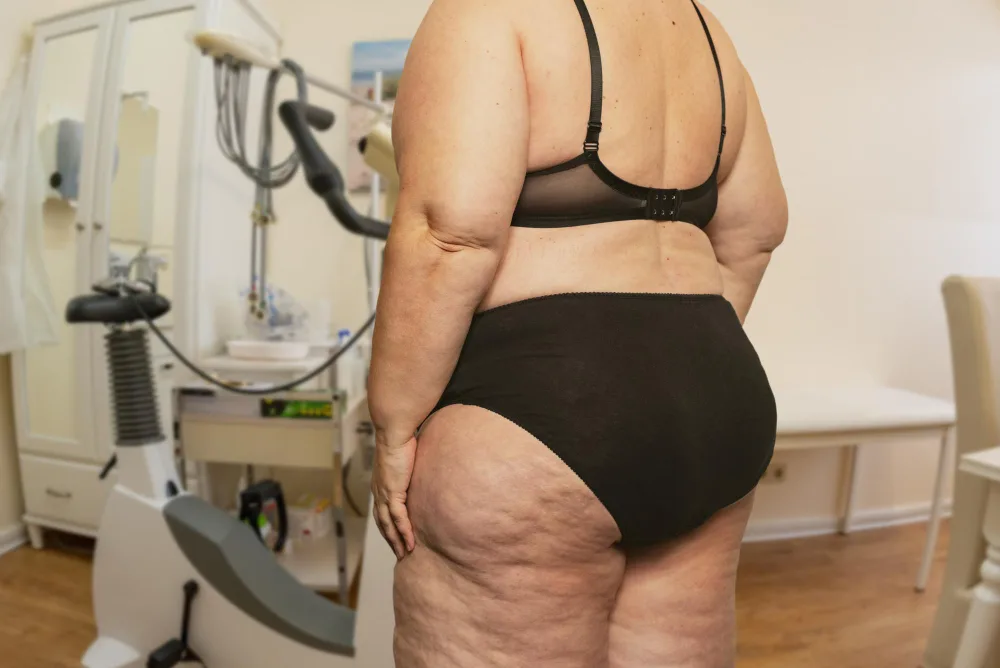
Living with lipedema can be physically and emotionally challenging. This progressive condition causes abnormal fat accumulation, typically in the legs and arms, leading to pain, mobility issues, and reduced quality of life. For many patients, lipedema surgery offers hope for significant improvement. However, like any surgical procedure, it comes with potential risks that patients should understand before making this important decision.
This comprehensive guide explores the risks associated with lipedema surgery and explains how experienced surgeons work to minimize these complications, helping you make an informed choice about your treatment options.
What Is Lipedema Surgery?
Lipedema surgery primarily involves specialized liposuction techniques designed to remove the abnormal fat deposits characteristic of this condition. Unlike traditional cosmetic liposuction, lipedema surgery requires specific expertise and techniques to address the unique challenges of this medical condition.
The most common surgical approaches include:
- Tumescent liposuction: Uses local anesthesia and saline solution to facilitate fat removal
- Water-assisted liposuction (WAL): Employs water jets to gently dislodge fat cells
- Lymphatic-sparing techniques: Preserve the lymphatic system while removing problematic fat tissue
Common Risks of Lipedema Surgery
Understanding the potential complications helps patients prepare for surgery and recognize warning signs during recovery. While serious complications are rare when performed by experienced surgeons, patients should be aware of these possibilities.
Immediate Surgical Risks
Bleeding and Hematoma Formation
Excessive bleeding during or after surgery can lead to hematoma formation, where blood collects under the skin. This complication may require additional procedures to drain accumulated blood and prevent infection.
Infection
Any surgical procedure carries infection risk. Signs include increased pain, redness, warmth, swelling, or unusual discharge from incision sites. Prompt medical attention can typically resolve infections with appropriate antibiotic treatment.
Anesthesia Complications
Reactions to anesthesia, though uncommon, can range from mild nausea to more serious respiratory or cardiac issues. Pre-surgical screening helps identify patients at higher risk for anesthesia-related complications.
Recovery-Related Complications
Seroma Formation
Fluid accumulation in treated areas can create pockets called seromas. While often resolving on their own, larger seromas may require drainage to prevent complications and optimize healing.
Skin Irregularities
Temporary or permanent changes in skin texture, including dimpling, rippling, or uneven contours, can occur. The risk increases when large volumes of fat are removed or when skin elasticity is compromised.
Numbness and Nerve Issues
Temporary numbness in treated areas is common and usually resolves within weeks to months. Rarely, permanent nerve damage can occur, leading to lasting sensation changes.
Long-Term Considerations
Lymphatic System Impact
Despite careful surgical techniques, some damage to the lymphatic system may occur, potentially worsening existing lymphatic issues or creating new ones. This risk makes surgeon selection particularly crucial.
Incomplete Results
Some patients may not achieve desired outcomes, requiring additional procedures. Realistic expectations and thorough pre-surgical discussions help minimize disappointment.
Scarring
While lipedema surgery typically involves small incisions, scarring can occur. Most scars fade significantly over time, but individual healing responses vary.
How Surgeons Minimize Lipedema Surgery Risks
Experienced lipedema surgeons employ numerous strategies to reduce complications and optimize patient outcomes. These approaches begin before surgery and continue throughout the recovery process.
Pre-Surgical Risk Assessment
Comprehensive Medical Evaluation
Thorough medical history review and physical examination help identify patients at higher risk for complications. Conditions like diabetes, heart disease, or bleeding disorders require special consideration and management.
Imaging Studies
Advanced imaging techniques help surgeons understand each patient's unique anatomy and plan the safest, most effective surgical approach.
Patient Optimization
Surgeons may recommend lifestyle modifications, weight management, or treatment of underlying conditions to reduce surgical risks before proceeding with lipedema surgery.
Advanced Surgical Techniques
Lymphatic-Sparing Methods
Specialized techniques preserve lymphatic vessels and nodes, reducing the risk of post-surgical lymphatic complications. These methods require extensive training and experience to perform effectively.
Staged Procedures
Rather than treating all affected areas simultaneously, surgeons may recommend staged procedures spread over several months. This approach reduces overall surgical stress and allows for better healing between sessions.
Precise Volume Management
Experienced surgeons carefully calculate safe fat removal volumes, balancing effectiveness with safety. Removing too much fat in a single session increases complication risks significantly.
State-of-the-Art Monitoring
Real-Time Assessment
Throughout surgery, continuous monitoring of vital signs and patient response allows immediate intervention if complications arise.
Quality Control Measures
Strict adherence to sterile techniques, proper equipment maintenance, and standardized protocols minimize infection and equipment-related risks.
Post-Surgical Care and Risk Management
Comprehensive post-operative care plays a crucial role in minimizing complications and ensuring optimal healing.
Immediate Post-Op Protocols
Compression Therapy
Properly fitted compression garments reduce swelling, support healing tissues, and minimize the risk of fluid accumulation. Patients receive detailed instructions on garment use and care.
Activity Guidelines
Structured activity recommendations balance the need for movement to prevent blood clots with adequate rest for tissue healing. Gradual return to normal activities reduces complication risks.
Pain Management
Effective pain control improves patient comfort and compliance with post-operative instructions, indirectly reducing complication risks.
Long-Term Follow-Up
Regular Monitoring
Scheduled follow-up appointments allow early detection and treatment of potential complications. Most issues resolve more easily when identified and addressed promptly.
Patient Education
Thorough education about warning signs and when to seek medical attention empowers patients to participate actively in their recovery and complication prevention.
Choosing the Right Surgeon Matters
The most effective way to minimize lipedema surgery risks is selecting a surgeon with extensive experience in treating this specific condition. Key factors to consider include:
- Board certification in relevant specialties
- Specific training in lipedema treatment
- High volume of lipedema procedures performed
- Positive patient outcomes and testimonials
- Comprehensive pre and post-operative care programs
Making an Informed Decision
While lipedema surgery carries inherent risks, these can be significantly minimized through careful surgeon selection, thorough pre-operative preparation, and diligent post-operative care. For many patients, the benefits of reduced pain, improved mobility, and enhanced quality of life far outweigh the potential complications.
The key to successful outcomes lies in realistic expectations, open communication with your surgical team, and commitment to following all pre and post-operative instructions. With proper care and an experienced surgeon, lipedema surgery can provide life-changing results while maintaining an acceptable risk profile.
If you're considering lipedema surgery, contact Byrd Lipedema Surgery Center today to schedule a consultation. Our experienced team will evaluate your specific situation, discuss potential risks and benefits, and help you determine if surgery is the right choice for your lipedema treatment journey.