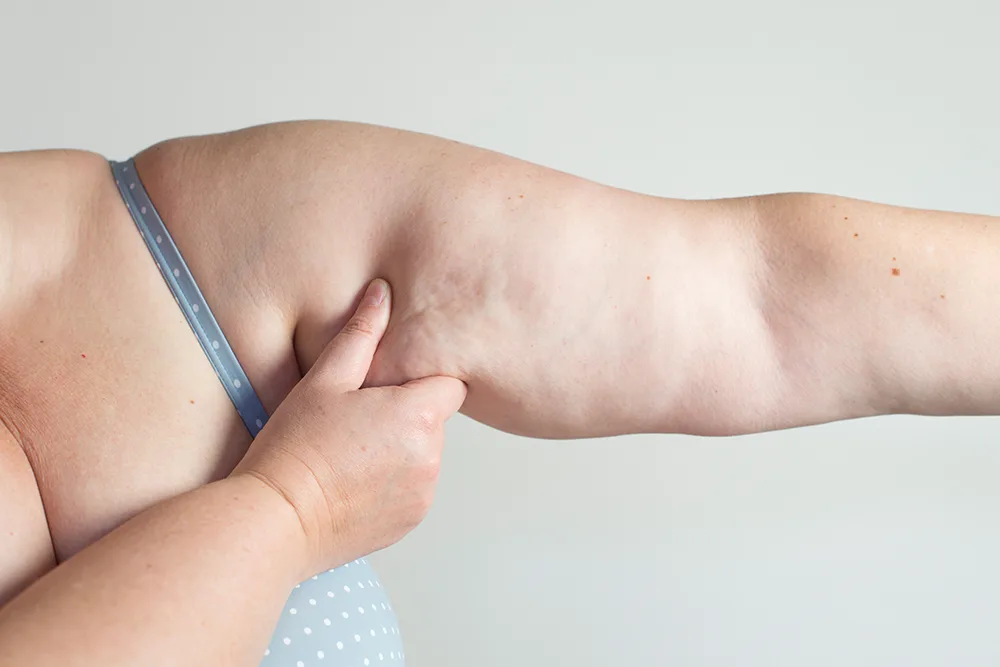
Living with lipedema means living with pain that others often don't understand. This chronic condition affects millions, primarily women, causing abnormal fat accumulation in the legs, arms, and sometimes other areas of the body. Beyond the visible changes, lipedema brings a complex array of painful symptoms that can significantly impact quality of life.
The pain associated with lipedema isn't just physical discomfort—it's a persistent reminder of a condition that's frequently misdiagnosed or dismissed. Many patients spend years seeking answers, often being told their symptoms are simply due to weight gain or lack of exercise. Understanding the true nature of lipedema pain is crucial for finding effective treatment options.
For those suffering from this condition, lipedema liposuction has emerged as a specialized treatment that can provide significant relief. Unlike traditional weight loss methods, which are largely ineffective for lipedema, surgical intervention specifically designed for this condition offers hope for pain reduction and improved mobility.
What Makes Lipedema Pain Different
Lipedema pain has distinct characteristics that set it apart from other types of discomfort. Patients frequently describe their symptoms as tender, bruise-like sensations in affected areas, even without any visible trauma. The fat deposits characteristic of lipedema are particularly sensitive to touch, making everyday activities challenging.
The pain often intensifies throughout the day, especially after periods of standing or walking. Many patients notice their symptoms worsen during hormonal changes, such as menstruation, pregnancy, or menopause. This hormonal connection suggests that lipedema pain involves complex interactions between fat tissue, hormones, and the body's inflammatory response.
Swelling adds another layer of discomfort to the lipedema experience. The affected limbs may feel heavy and tight, particularly by evening. This isn't typical water retention that responds to elevation or diuretics—it's a persistent swelling that compounds the existing pain and mobility issues.
How Lipedema Affects Daily Life
The impact of lipedema pain extends far beyond physical discomfort. Simple tasks like walking up stairs, standing for extended periods, or even finding comfortable clothing become significant challenges. The constant pain can lead to reduced activity levels, which unfortunately may worsen the condition over time.
Sleep disturbances are common among lipedema patients. The pain and discomfort make it difficult to find comfortable sleeping positions, leading to poor sleep quality and daytime fatigue. This creates a cycle where pain affects rest, and poor rest amplifies pain perception.
Social and emotional impacts are equally significant. The visible changes combined with chronic pain can lead to decreased participation in social activities, exercise, and recreational pursuits. Many patients report feeling isolated and frustrated by the lack of effective treatment options available through conventional approaches.
Traditional Pain Management Approaches
Standard pain management techniques often provide limited relief for lipedema patients. Over-the-counter pain medications may help temporarily, but they don't address the underlying cause of the discomfort. Prescription pain medications carry risks of dependency and side effects, making them unsuitable for long-term management of chronic lipedema pain.
Physical therapy can offer some benefits, particularly for maintaining mobility and preventing secondary complications. However, traditional exercise programs designed for weight loss are typically ineffective for lipedema, as the abnormal fat deposits don't respond to diet and exercise like normal adipose tissue.
Compression garments are frequently recommended and can provide some relief by supporting the affected limbs and reducing swelling. While helpful for symptom management, compression therapy doesn't address the root cause of the problem or provide lasting pain relief.
The Role of Specialized Liposuction in Lipedema Treatment
Lipedema liposuction represents a fundamentally different approach to treating this condition. Unlike cosmetic liposuction, lipedema-specific procedures are designed to address the unique characteristics of lipedema tissue. The abnormal fat cells in lipedema are larger and more fibrous than normal fat, requiring specialized techniques and expertise.
The surgical approach focuses on removing the pathological fat deposits while preserving the lymphatic system, which is crucial for preventing complications. Surgeons experienced in lipedema treatment use specific cannula types and techniques that minimize trauma to surrounding tissues while effectively removing the problematic fat cells.
This targeted removal of lipedema tissue can provide significant pain relief that other treatments cannot achieve. By eliminating the source of pressure, inflammation, and nerve irritation, patients often experience dramatic improvements in their pain levels and overall quality of life.
Benefits of Lipedema Liposuction for Pain Relief
Patients who undergo lipedema liposuction frequently report substantial improvements in pain levels within weeks of the procedure. The removal of excess tissue reduces pressure on nerves and blood vessels, leading to decreased tenderness and improved circulation in the affected areas.
Mobility improvements are often among the most noticeable benefits. Patients find they can walk longer distances, climb stairs with less difficulty, and participate in activities they had previously avoided due to pain. This increased mobility creates positive feedback loops, as improved activity levels support overall health and well-being.
The reduction in limb size and weight can also alleviate secondary pain issues, such as back pain and joint stress. Many patients experience improvements in areas they hadn't expected, as the body adjusts to its new proportions and reduced burden.
Sleep quality often improves significantly after lipedema liposuction. With reduced pain and increased comfort, patients can find restful sleeping positions more easily, leading to better overall recovery and pain management.
Long-term Outcomes and Expectations
Research on lipedema liposuction shows promising long-term results for pain management. Studies indicate that pain relief is often sustained years after the procedure, with many patients maintaining significant improvements in their quality of life measures.
The procedure can also help prevent progression of the condition. By removing the pathological tissue, lipedema liposuction may slow or halt the advancement to more severe stages of the disease, protecting patients from increased pain and complications over time.
However, realistic expectations are important. While lipedema liposuction can provide substantial relief, it may not eliminate all symptoms entirely. Some patients may benefit from staged procedures or combination treatments to achieve optimal results.
Take the First Step Toward Pain Relief
Lipedema pain doesn't have to control your life. Understanding your treatment options is the first step toward reclaiming your comfort and mobility. While traditional approaches may provide temporary relief, specialized lipedema liposuction offers the potential for lasting improvement in both pain levels and quality of life.
The decision to pursue surgical treatment should be made with comprehensive information and expert guidance. Consulting with specialists who understand the unique challenges of lipedema can help you determine whether lipedema liposuction is the right choice for your situation.
If you need lipedema liposuction, contact Byrd Lipedema Surgery Center today to schedule a consultation. Take control of your pain and start your journey toward a more comfortable, active life.