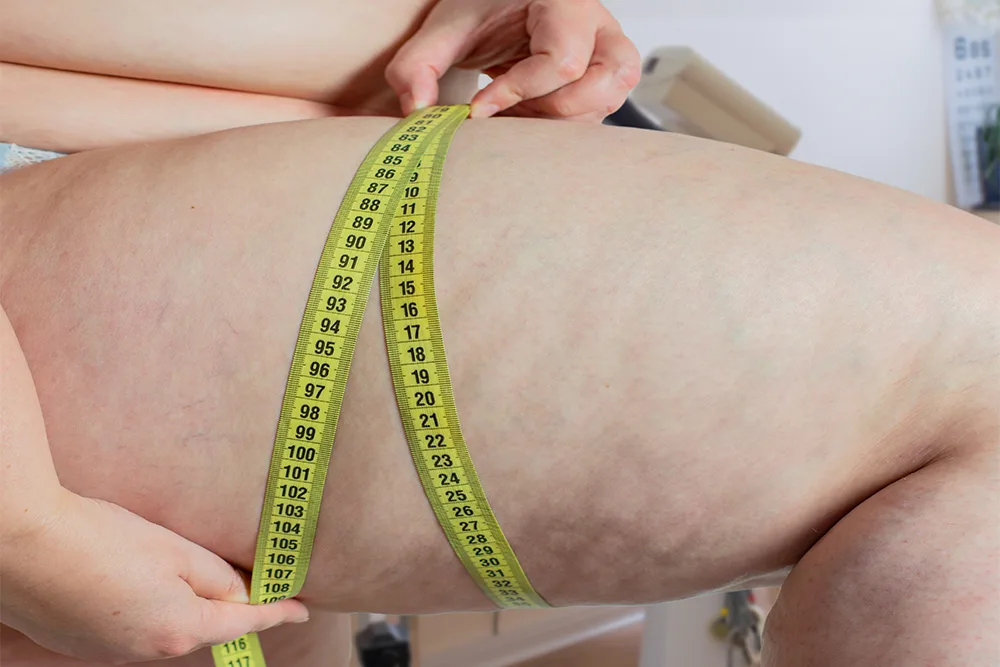
Lipedema is a complex and often misunderstood condition that affects millions of individuals, primarily women. One of the notable and frustrating symptoms of lipedema is the prevalence of easy bruising, which can significantly impact the quality of life for those who suffer from it. This blog will provide a comprehensive look at what causes lipedema bruising, how it manifests, and the ways it can be managed. We’ll also touch on the role of lipedema liposuction in treating this condition.
If you’ve experienced frequent bruising tied to lipedema and are searching for solutions, this article will shed light on actionable steps you can take.
What is Lipedema?
Before diving into the specifics of lipedema bruising, it's helpful to understand the condition itself. Lipedema is a chronic disorder of fat metabolism characterized by an abnormal accumulation of fat tissue, typically in the lower body (legs, hips, buttocks, and sometimes arms). Unlike ordinary weight gain, lipedema fat is resistant to diet and exercise.
Symptoms often include:
- Swelling and tenderness in the affected areas
- Pain that can range from mild to debilitating
- A disproportionate distribution of fat between the upper and lower body
- Easy bruising that is unrelated to injury or external trauma
While the exact cause remains unclear, genetics and hormonal changes (such as during puberty, pregnancy, or menopause) are thought to play a significant role.
Why Does Lipedema Cause Bruising?
One of the hallmark symptoms of lipedema is an increased tendency to bruise easily. But why does this occur? The answer lies in the unique physiological changes caused by the condition.
Fragile Capillaries and Microcirculation Issues
Lipedema causes changes in the fat tissue, leading to a disruption in the body’s microcirculation (the network of tiny blood vessels). The connective tissues become inflamed and the capillaries more fragile. This makes the blood vessels more likely to break under even minimal pressure, leading to visible bruising.
Increased Sensitivity to Pressure
Individuals with lipedema often experience heightened sensitivity in the affected areas. Mild pressure, such as carrying a shopping bag or crossing the legs for a prolonged period, can result in bruises that appear rapidly and can take a long time to fade.
Poor Lymphatic Function
The lymphatic system plays a crucial role in removing excess fluids and waste products from the body. Many individuals with lipedema also have compromised lymphatic drainage, which can exacerbate swelling, bruising, and discomfort. When lymphatic congestion occurs, it may contribute to the pooling of fluids, inflammation, and more pronounced bruising.
Chronic Tissue Inflammation
Lipedema is associated with chronic low-grade inflammation in the fat tissue. This inflammation impairs the body's ability to heal minor injuries, meaning bruises may not only form more easily but also take longer to heal.
How to Manage Bruising Linked to Lipedema
While lipedema bruising can be a frustrating and painful symptom, there are steps you can take to manage or mitigate its effects. Below are several strategies that may help.
Wear Compression Garments
One of the most effective ways to manage lipedema symptoms, including bruising, is by wearing compression garments. These specially designed pieces apply gentle pressure to the affected areas, helping to improve blood flow, reduce swelling, and stabilize tissues.
Support Healthy Circulation
Boosting circulation can help reduce the likelihood of bruising. Activities like walking, swimming, or gentle yoga can promote better blood flow without putting too much strain on the body. Additionally, elevating the legs periodically throughout the day can help reduce fluid retention.
Optimize Your Diet
While diet cannot cure lipedema, focusing on anti-inflammatory foods may help reduce symptoms. Include more omega-3-rich foods, leafy greens, and antioxidants in your meals and avoid foods that can trigger inflammation, such as processed foods and sugary snacks.
Lymphatic Drainage Massage
Manual lymphatic drainage (MLD) is a specialized type of massage designed to stimulate the lymphatic system. It can help to reduce swelling, tenderness, and bruising in those with lipedema. Be sure to consult a trained healthcare professional who understands how to tailor the massage to your needs.
Protect Your Skin
Taking extra care of your skin can help minimize bruising. Wear loose, non-restrictive clothing to avoid skin irritation, and be mindful of actions that could exert extra pressure on your body.
The Role of Lipedema Liposuction in Treatment
For individuals who experience severe symptoms, including persistent bruising, lipedema liposuction may provide relief. This highly specialized surgical procedure removes excess fat deposits, alleviating many of the chronic symptoms associated with lipedema.
What Makes Lipedema Liposuction Different?
Unlike traditional liposuction, lipedema liposuction focuses on preserving the lymphatic structures while carefully removing excess fat tissue. This approach:
- Reduces pain and pressure in the affected areas
- Improves mobility and quality of life
- Minimizes symptoms like bruising and swelling over the long term
Is Lipedema Liposuction Right for You?
If lipedema bruising and other symptoms are interfering with your daily life and conservative treatments haven’t provided sufficient relief, liposuction could be a game-changer. Consulting an experienced surgeon can help you determine whether this treatment is an appropriate option.
A Holistic Approach to Lipedema Care
Living with lipedema requires a multi-faceted approach that combines symptom management with targeted interventions. Understanding why lipedema causes easy bruising and adopting measures to mitigate it are steps that can greatly improve your overall health and comfort.
For those considering surgical intervention, lipedema liposuction offers a well-studied and effective option for long-term relief. It’s a way to regain control over your health and reclaim your quality of life.
If you’re struggling with lipedema symptoms and are exploring treatment options, contact Byrd Lipedema Surgery Center today to schedule an appointment. Our expert team is dedicated to helping you live without compromise.