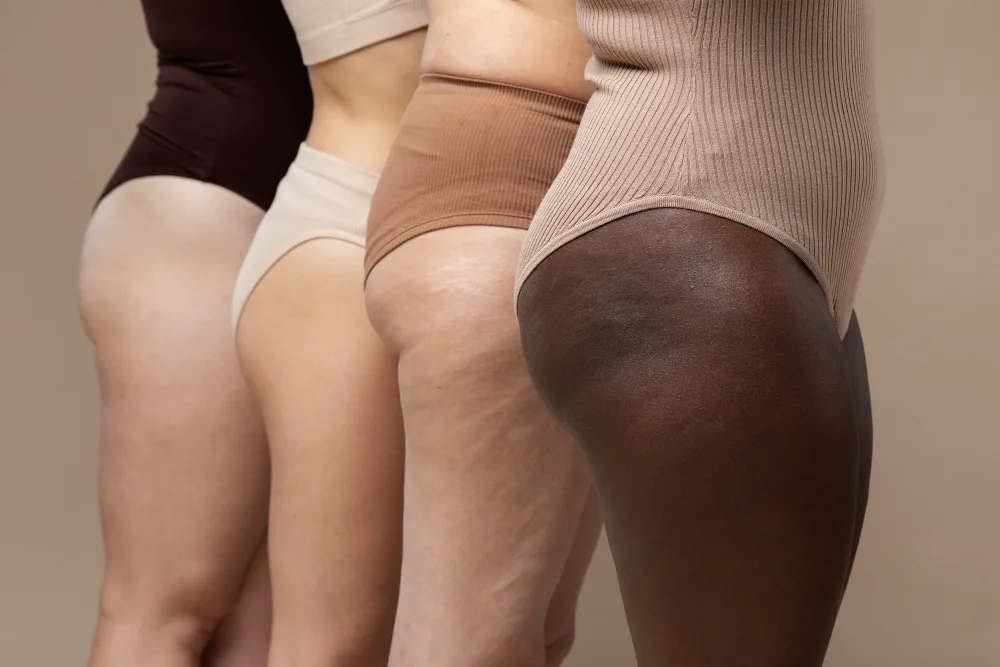
Lipedema affects millions of people worldwide, yet many remain unaware of the condition's various forms and stages. This chronic disorder causes abnormal fat distribution and can significantly impact quality of life when left untreated. Understanding the different types of lipedema is crucial for proper diagnosis, treatment planning, and finding the right medical support.
If you're experiencing symptoms or have been diagnosed with lipedema, knowing which type you have can help guide your treatment decisions. From the location of fat deposits to the severity of symptoms, each type presents unique challenges that require specialized care from experienced medical professionals.
This comprehensive guide explores the various classifications of lipedema, helping you understand the condition's complexity and the importance of seeking expert treatment from a qualified lipectomy surgery center.
What Is Lipedema?
Lipedema is a chronic medical condition characterized by the symmetrical accumulation of fat tissue, primarily in the legs and arms. Unlike regular weight gain, lipedema fat is resistant to diet and exercise, making traditional weight loss methods ineffective for reducing the affected areas.
The condition predominantly affects women and often develops during hormonal changes such as puberty, pregnancy, or menopause. Early symptoms include pain, swelling, and tenderness in the affected limbs, along with easy bruising and a feeling of heaviness.
Without proper treatment, lipedema typically progresses over time, leading to mobility issues, skin changes, and significant emotional distress. Understanding the different types helps patients and healthcare providers develop appropriate treatment strategies.
Types of Lipedema by Location
Type I: Hips and Buttocks
Type I lipedema affects the hip and buttock region, creating a distinct pear-shaped silhouette. Fat accumulation occurs symmetrically around the pelvis, extending from the waist to the hip area. Patients with Type I often notice their upper body remains proportionally normal while the lower body appears disproportionately larger.
Common symptoms include tenderness when pressure is applied to the affected areas, difficulty finding properly fitting clothing, and gradual worsening of the condition over time. The fat deposits feel different from normal fat tissue, often described as nodular or having a "cottage cheese" texture beneath the skin.
Type II: Hips to Knees
Type II lipedema extends from the hips down to the knees, encompassing the entire thigh region. This type creates significant challenges with mobility and clothing fit, as the affected area covers a larger portion of the lower body.
Patients frequently experience pain when walking or standing for extended periods. The knees may develop prominent fat pads, and many individuals notice a distinct cuff of fat that stops abruptly at the knee joint. This creates a characteristic appearance where the lower leg remains normal while the upper leg is significantly enlarged.
Type III: Hips to Ankles
Type III represents the most extensive form of lower body lipedema, affecting the entire leg from hip to ankle. This type often develops as progression from earlier stages or may present initially in severe cases.
The comprehensive nature of Type III lipedema creates substantial functional limitations. Patients may experience difficulty with basic activities like climbing stairs, getting up from seated positions, or walking long distances. The feet typically remain unaffected, creating a distinct contrast with the enlarged legs.
Type IV: Arms
Type IV lipedema affects the arms, causing symmetrical fat accumulation from the shoulders to the wrists. Like other types, the hands remain normal size, creating a cuff-like appearance at the wrists.
Arm lipedema can occur independently or alongside lower body types. Patients often struggle with arm pain, limited range of motion, and difficulty finding clothing that fits properly in both the arm and torso areas.
Type V: Lower Legs Only
Type V is a less common form affecting only the lower legs, typically from the knees to the ankles. This type may be overlooked initially because it doesn't create the dramatic silhouette changes associated with other types.
Despite affecting a smaller area, Type V can still cause significant discomfort and functional problems, particularly with walking and finding properly fitting shoes and boots.
Lipedema Stages by Severity
Beyond location-based types, lipedema is also classified by severity stages that indicate disease progression.
Stage 1: Early Lipedema
Stage 1 represents the earliest form of lipedema. The skin surface appears relatively smooth, but the underlying fat tissue feels different from normal fat. Patients may experience mild pain, tenderness, and easy bruising. Many individuals at this stage attribute their symptoms to weight gain or lack of exercise.
Stage 2: Moderate Lipedema
Stage 2 shows clear progression with more noticeable skin irregularities. The fat tissue becomes more nodular, and skin dimpling becomes apparent. Pain and sensitivity typically increase, and patients may begin experiencing mobility limitations.
Stage 3: Advanced Lipedema
Stage 3 represents severe lipedema with significant tissue changes. Large fat lobules create obvious deformities, and skin changes become pronounced. Patients at this stage often experience substantial functional limitations and may develop secondary complications like lymphedema.
Mixed Types and Complications
Many patients don't fit neatly into a single category. Mixed types involving multiple body regions are common, and the condition may progress from one type to another over time.
Secondary lymphedema, known as lipo-lymphedema, can develop when lipedema interferes with lymphatic drainage. This complication adds swelling and additional symptoms to the existing lipedema presentation.
Understanding these variations emphasizes the importance of working with medical professionals experienced in lipedema diagnosis and treatment. Each case requires individualized assessment and treatment planning.
Treatment Options and the Role of Surgery
Treatment approaches vary depending on the type and stage of lipedema. Conservative treatments include manual lymphatic drainage, compression therapy, and specialized exercise programs. These methods can help manage symptoms and slow progression but don't address the underlying fat accumulation.
For many patients, surgical intervention provides the most effective long-term solution. Specialized liposuction techniques designed for lipedema can remove the diseased fat tissue and significantly improve both symptoms and quality of life.
The success of surgical treatment depends heavily on the expertise of the medical team and their experience with lipedema-specific procedures. A qualified lipectomy surgery center will have the specialized knowledge and equipment necessary for optimal outcomes.
Finding Expert Care for Your Lipedema Type
Regardless of which type of lipedema you have, proper diagnosis and treatment require specialized medical expertise. The complexity of this condition demands care from professionals who understand its various presentations and have experience with appropriate treatment methods.
Early intervention often leads to better outcomes, making it important to seek evaluation if you suspect you may have lipedema. The right medical team can help determine your specific type, stage, and most appropriate treatment options.
Working with an experienced lipectomy surgery center ensures access to the latest treatment techniques and comprehensive care designed specifically for lipedema patients. From initial consultation through post-treatment follow-up, specialized centers provide the expertise necessary for successful outcomes.
If you're looking for a lipectomy surgery center, contact Byrd Lipedema Surgery Center today to schedule a consultation. Their experienced team can help determine your specific lipedema type and develop a personalized treatment plan to improve your symptoms and quality of life.