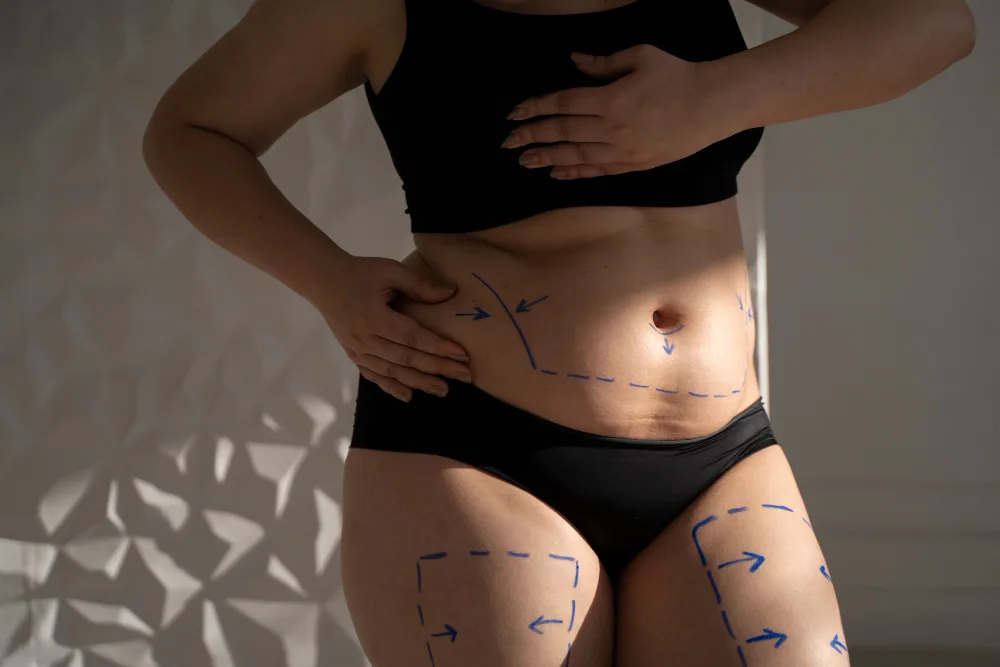
Lipedema is a chronic and often misunderstood condition characterized by an abnormal, symmetrical accumulation of fat in the lower body, and sometimes the arms. Unlike regular weight gain, this fat is often painful, resistant to diet and exercise, and can significantly impact a person's quality of life. For many, finding effective treatment is a long and frustrating journey.
One of the most effective surgical treatments available is specialized liposuction. This procedure, however, is not just about aesthetics; it is deeply intertwined with the body's lymphatic system. Understanding the science behind lipedema liposuction and its impact on lymphatic health is crucial for anyone considering this life-changing surgery. This post will explain how lipedema affects the body, the specifics of lymphatic-sparing liposuction, and what patients can expect from the procedure.
Understanding Lipedema and the Lymphatic System
To appreciate how specialized liposuction works, it's important to first understand the condition it treats. Lipedema is a progressive fat disorder that primarily affects women. It involves the disproportionate buildup of fat cells, typically from the waist down, sparing the feet. This isn't just ordinary fat; it's a specific type of diseased adipose tissue.
What Is the Lymphatic System?
The lymphatic system is a critical part of our immune and circulatory systems. Think of it as the body's sophisticated drainage network. It consists of a web of vessels, nodes, and organs that transport a clear fluid called lymph. This fluid carries waste products, toxins, and other unwanted materials away from tissues. It also transports white blood cells that help fight infection.
When the lymphatic system functions correctly, it maintains fluid balance and protects the body from illness. However, when it becomes impaired, fluid can accumulate in tissues, leading to swelling, a condition known as lymphedema.
The Connection Between Lipedema and Lymphatic Function
In the early stages of lipedema, the lymphatic system is generally functional. However, as the diseased fat cells continue to expand, they can exert increasing pressure on the delicate lymphatic vessels. This pressure can obstruct the flow of lymph, leading to inflammation and fluid buildup.
Over time, this constant strain can cause permanent damage to the lymphatic system, leading to a secondary condition known as lipo-lymphedema. At this stage, individuals experience the combined symptoms of both lipedema and lymphedema, including significant swelling, pain, and a higher risk of skin infections. Early intervention with treatments like lipedema liposuction can help prevent this progression by removing the problematic fat tissue before it causes irreversible lymphatic damage.
How Lymphatic-Sparing Liposuction Works
Standard cosmetic liposuction is not suitable for treating lipedema. It can be too aggressive and may damage the already fragile lymphatic vessels, potentially worsening the condition. Instead, surgeons use specialized, lymphatic-sparing techniques designed to remove lipedema fat while preserving the surrounding lymphatic network.
The two most common methods are Water-Assisted Liposuction (WAL) and Tumescent Liposuction.
Tumescent Liposuction
This is a widely used technique for treating lipedema safely. The process involves several key steps:
- Infusion of Tumescent Fluid: The surgeon injects a large volume of a saline solution containing a local anesthetic (lidocaine) and a blood vessel constrictor (epinephrine) into the fatty tissue. This fluid "tumesces" or swells the fat, making it firm and easier to remove.
- Anesthesia and Reduced Bleeding: The lidocaine numbs the area, allowing the procedure to be performed with the patient awake or under light sedation. The epinephrine constricts blood vessels, which significantly reduces bleeding, bruising, and postoperative pain.
- Gentle Fat Removal: The surgeon uses a thin tube called a microcannula to gently suction out the diseased fat. The tumescent fluid creates space between the fat and other tissues, helping the surgeon to avoid damaging the delicate lymphatic vessels, nerves, and blood vessels.
Water-Assisted Liposuction (WAL)
Water-Assisted Liposuction is another advanced technique that is particularly gentle on the lymphatic system.
- Pressurized Water Jet: In this method, a fan-shaped, pulsating jet of tumescent fluid is used to dislodge the fat cells from the surrounding connective tissue.
- Simultaneous Aspiration: The loosened fat is immediately suctioned out through the same cannula. This process is less traumatic to the surrounding tissues compared to traditional methods.
- Preservation of Structures: Because the WAL technique gently separates the fat, it effectively minimizes damage to the intricate web of lymphatic vessels, making it an excellent option for lipedema liposuction.
Both techniques prioritize the health of the lymphatic system, which is essential for a successful outcome and long-term management of lipedema.
The Benefits of Lipedema Liposuction
Undergoing specialized liposuction offers more than just a change in appearance. For individuals with lipedema, the benefits are profound and can dramatically improve their overall well-being.
- Pain Reduction: One of the most immediate benefits is a significant reduction in the pain and tenderness associated with lipedema fat.
- Improved Mobility: By removing the excess, heavy fat tissue, patients often experience a remarkable improvement in their mobility and ability to engage in physical activities.
- Halt in Progression: Liposuction can stop the progression of lipedema, preventing the condition from advancing to later stages and causing further lymphatic damage.
- Reduction in Swelling: Removing the fat that compresses lymphatic vessels helps improve fluid drainage, reducing the swelling and heaviness in the limbs.
- Enhanced Quality of Life: The combination of reduced pain, increased mobility, and improved body contour leads to a major boost in confidence and mental health.
Start Your Journey to Relief
Lipedema is a complex medical condition that requires a specialized approach to treatment. Lymphatic-sparing lipedema liposuction is a scientifically-backed procedure that removes the source of the problem—the diseased fat—while protecting the vital lymphatic system. By doing so, it not only provides cosmetic improvement but also alleviates pain, improves mobility, and can prevent the progression to more severe stages like lipo-lymphedema.
If you are struggling with the symptoms of lipedema and want to learn more about how specialized liposuction can help, it is essential to consult with a surgeon who has extensive experience in this area. An expert can provide a proper diagnosis and create a personalized treatment plan tailored to your needs.
Ready to take the next step? Contact the Byrd Lipedema Surgery Center today to schedule your consultation and explore your options for a healthier, more comfortable life.