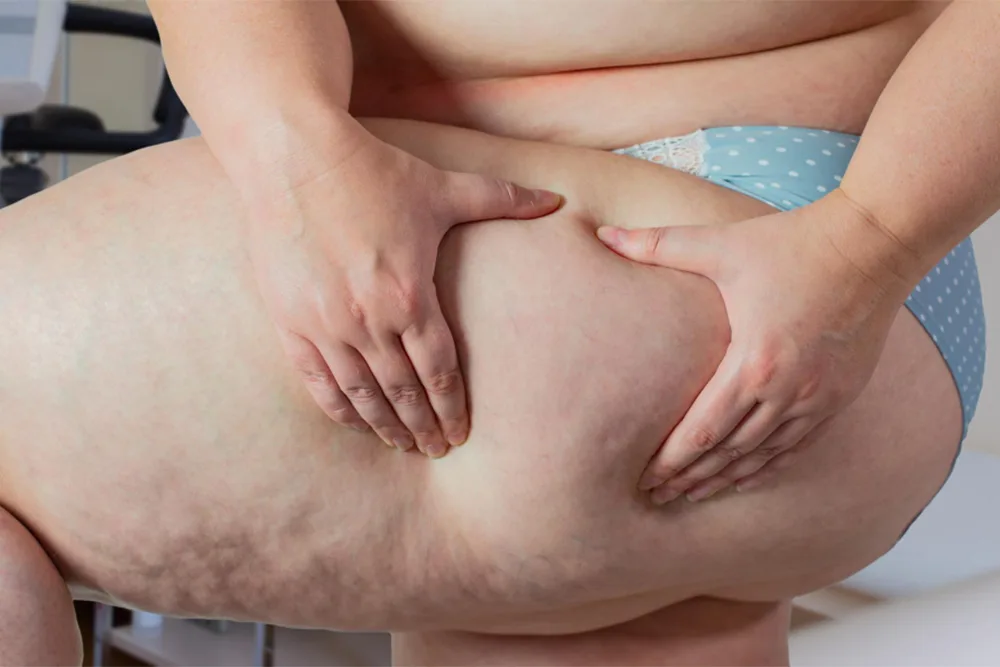
Living with lipedema can feel overwhelming. This progressive condition affects millions of people worldwide, causing painful fat deposits that don't respond to diet or exercise. While conservative treatments like compression therapy and lymphatic drainage can help manage symptoms, many patients eventually consider surgical options for lasting relief.
Lipedema surgery has evolved significantly over the past decade, offering new hope for those struggling with this misunderstood condition. From traditional liposuction techniques to specialized procedures designed specifically for lipedema, patients now have multiple surgical pathways to explore.
This comprehensive guide will walk you through every surgical option available for lipedema treatment, helping you understand what each procedure involves, who makes a good candidate, and what recovery looks like. Whether you're just beginning to research surgical solutions or preparing for an upcoming procedure, you'll find the information you need to make informed decisions about your care.
Understanding Lipedema and When Surgery Becomes Necessary
Lipedema is a chronic disorder characterized by the abnormal accumulation of fat cells in the legs, arms, and sometimes other areas of the body. Unlike regular weight gain, lipedema fat is painful, disproportionate, and resistant to traditional weight loss methods.
The condition progresses through several stages, from mild swelling and tenderness in Stage 1 to significant mobility issues and skin changes in Stage 4. Many patients find that conservative treatments become less effective as the condition advances, making surgery an increasingly attractive option.
Surgery becomes necessary when conservative treatments no longer provide adequate symptom relief, when the condition significantly impacts quality of life, or when complications like lymphedema develop. The decision to pursue lipedema surgery should always be made in consultation with experienced medical professionals who understand this complex condition.
Tumescent Liposuction: The Gold Standard
Tumescent liposuction remains the most widely performed lipedema surgery. This technique involves injecting a solution of saline, lidocaine, and epinephrine into the affected areas before removing excess fat through small incisions.
The tumescent solution serves multiple purposes: it numbs the treatment area, constricts blood vessels to minimize bleeding, and makes the fat easier to remove. The procedure can be performed under local anesthesia, reducing risks associated with general anesthesia.
Recovery from tumescent liposuction typically takes 2-4 weeks for initial healing, with full results visible after 3-6 months. Patients often experience immediate pain relief and improved mobility, making this technique particularly effective for early-stage lipedema.
Water-Assisted Liposuction (WAL)
Water-assisted liposuction represents a gentler approach to lipedema surgery. This technique uses a pressurized stream of saline solution to dislodge fat cells before removal, causing less trauma to surrounding tissues than traditional methods.
WAL offers several advantages for lipedema patients. The procedure preserves lymphatic vessels better than conventional liposuction, reducing the risk of developing secondary lymphedema. The gentler technique also typically results in less post-operative swelling and bruising.
The recovery process for WAL is often shorter and more comfortable than traditional liposuction. Many patients return to normal activities within 1-2 weeks, though compression garments are still required for several weeks to support healing.
Lymphatic-Sparing Liposuction
Developed specifically for lipedema patients, lymphatic-sparing liposuction focuses on preserving the delicate lymphatic system while removing excess fat. This specialized technique requires surgeons with extensive training in lipedema treatment and lymphatic anatomy.
The procedure involves using smaller cannulas and more precise movements to avoid damaging lymphatic vessels. Surgeons often work in layers, carefully mapping lymphatic pathways to ensure their preservation throughout the fat removal process.
This approach significantly reduces the risk of post-surgical complications, particularly secondary lymphedema. Patients often experience better long-term outcomes with improved lymphatic function and reduced swelling compared to traditional liposuction techniques.
Power-Assisted Liposuction (PAL)
Power-assisted liposuction uses a vibrating cannula to break up fat cells before removal. The mechanical movement reduces the physical effort required by the surgeon while providing more precise control over fat removal.
For lipedema patients, PAL offers the advantage of more thorough fat removal in fibrous areas where the condition has progressed. The technique is particularly effective in treating the harder, more established fat deposits characteristic of advanced lipedema.
The recovery process is similar to traditional liposuction, with most patients returning to work within 1-2 weeks. The precision of PAL often results in smoother contours and more even fat removal, contributing to better cosmetic outcomes.
Preparing for Lipedema Surgery
Successful lipedema surgery begins long before you enter the operating room. Proper preparation can significantly impact both your surgical outcome and recovery experience.
Your surgical team will likely recommend several pre-operative steps. These may include optimizing your overall health, achieving stable weight, and completing any necessary medical clearances. Some surgeons require patients to undergo a trial of conservative treatments before considering surgery.
Pre-operative consultation is crucial for setting realistic expectations. Your surgeon should discuss the specific technique recommended for your case, expected outcomes, and potential risks. This is also the time to address any concerns and ensure you understand the entire process from surgery through recovery.
Recovery and Post-Operative Care
Recovery from lipedema surgery is a gradual process that requires patience and commitment to follow-up care. The initial healing phase typically lasts 2-4 weeks, during which time you'll wear compression garments and limit physical activity.
Compression therapy plays a crucial role in recovery, helping to reduce swelling and support tissue healing. Most patients need to wear compression garments for 6-12 weeks post-surgery, transitioning from medical-grade compression to lighter support as healing progresses.
Follow-up appointments allow your surgical team to monitor healing and address any concerns. These visits typically occur at regular intervals during the first few months after surgery, with long-term follow-up recommended to track your progress and address any changes in your condition.
Choosing the Right Surgeon
Selecting an experienced surgeon is perhaps the most critical decision in your lipedema surgery journey. Not all plastic surgeons have experience treating lipedema, and this specialized knowledge makes a significant difference in outcomes.
Look for surgeons who specialize in lipedema treatment and have performed numerous procedures on patients with this condition. Board certification, hospital affiliations, and patient testimonials can all provide valuable insights into a surgeon's qualifications and experience.
During consultations, pay attention to how well the surgeon understands lipedema and explains your treatment options. A qualified surgeon should be able to discuss the specific challenges of your case and recommend the most appropriate technique based on your individual needs.
Making Your Decision: Next Steps in Treatment
Lipedema surgery can be life-changing for patients who struggle with this progressive condition. From tumescent liposuction to specialized lymphatic-sparing techniques, multiple surgical options exist to address different stages and presentations of lipedema.
The key to successful treatment lies in working with experienced professionals who understand the complexities of lipedema and can guide you toward the most appropriate surgical approach. Each technique offers distinct advantages, and the best choice depends on your individual circumstances, disease stage, and treatment goals.
If you're considering lipedema surgery, contact Byrd Lipedema Surgery Center today to schedule a consultation. Our specialized team can evaluate your condition and help you explore the surgical options that might be right for your situation.