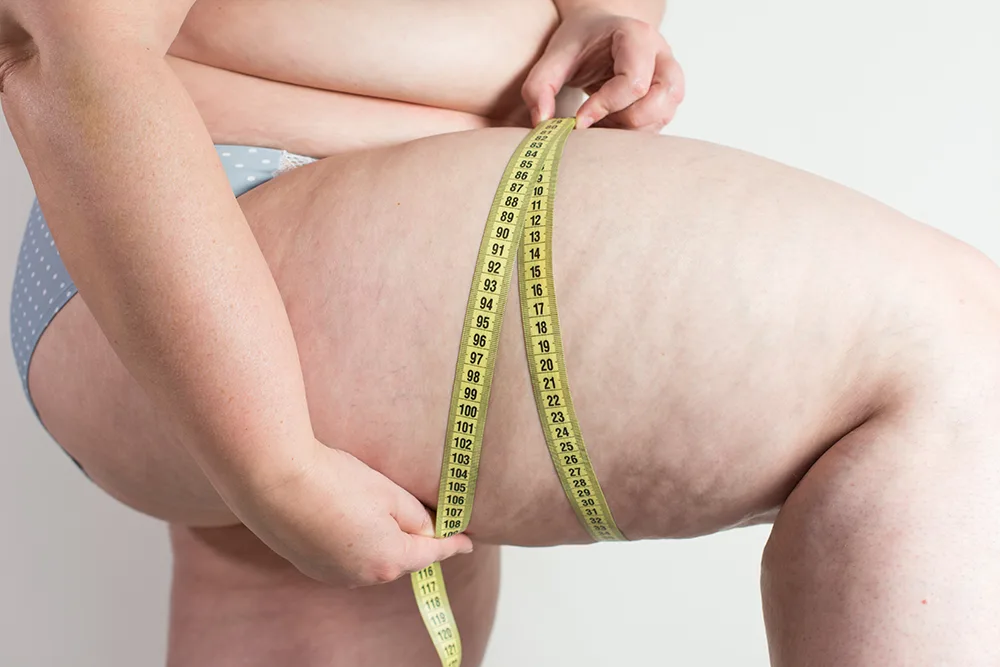
Lipedema is a misunderstood and often underdiagnosed condition affecting millions of individuals worldwide. Characterized by a painful and disproportionate accumulation of fat tissue, lipedema can significantly impact daily life, body image, and overall health. Recognizing the early signs of lipedema is crucial for accessing the right care and finding a treatment plan that works for you.
If you're struggling with symptoms that may indicate lipedema, this post will guide you through recognizing key indicators, understanding its progression, and exploring treatment options.
What is Lipedema?
Lipedema is a chronic medical condition that predominantly affects women. It causes an abnormal buildup of fat cells, typically in the legs, thighs, buttocks, and sometimes arms. Interestingly, the fat deposits in lipedema are resistant to traditional weight loss methods such as diet and exercise.
One of the hallmarks of lipedema is pain or tenderness in affected areas, as well as swelling that doesn't improve with rest. This condition often leaves those affected feeling physically uncomfortable and emotionally distressed.
While the exact cause is unclear, researchers believe that heredity and hormonal changes may play a role. For this reason, lipedema often begins or progresses during major life events involving hormonal fluctuations, such as puberty, pregnancy, or menopause.
Early Signs of Lipedema to Watch For
Identifying the symptoms early is essential because, if left untreated, lipedema can worsen over time. Here are some of the most common signs to look for:
1. Disproportionate Fat Accumulation
One of the most noticeable signs of lipedema is the disproportion in body fat distribution. For example, affected individuals may have a thinner upper body while experiencing a significant fat buildup on their legs, hips, or arms. This is different from general obesity, which affects the body more uniformly.
2. Pain and Tenderness
Lipedema often causes pain or tenderness in the affected areas. Even light pressure, such as wearing tight clothing, might feel uncomfortable. This abnormal fat tissue may also bruise easily due to weakened blood vessels.
3. Feeling of Heaviness
Patients frequently describe their legs as feeling heavy or achy. This sensation can make physical activities like walking or standing for long periods exhausting.
4. Swelling That Doesn't Respond to Rest
Unlike conditions such as edema, where swelling tends to improve with rest and leg elevation, the swelling in lipedema remains largely unchanged, regardless of lifestyle adjustments.
5. Skin Texture Changes
The skin over affected areas may feel soft and lumpy to the touch, often described as resembling “orange peel” or “cottage cheese” due to the nodular fat deposits.
6. Progressive Nature
Initially, symptoms may appear subtle. However, if untreated, lipedema progresses into advanced stages with worsening pain, restricted mobility, and increased swelling leading to a transition into lipolymphedema, a condition where the lymphatic system is compromised.
Stages of Lipedema
Lipedema typically progresses through four stages, each with distinct characteristics:
Stage 1:
- Smooth skin appearance.
- Symmetrical fat deposits in the lower limbs.
- Minor discomfort or heaviness.
Stage 2:
- Uneven, lumpy skin texture (akin to cellulite).
- Increased tenderness and susceptibility to bruising.
- Noticeable swelling that doesn’t fade overnight.
Stage 3:
- Significant fat deposits causing deformities, particularly around the thighs and knees.
- Severe pain and restricted mobility.
Stage 4 (Lipo-lymphedema):
- Combination of lipedema and lymphedema symptoms, causing extensive swelling.
- Skin hardening and frequent infections due to compromised lymphatic function.
Why Early Diagnosis Matters
Lipedema is often mistaken for obesity or typical weight gain, which delays diagnosis. Unfortunately, without specialized care, the condition can worsen over time, leading to more severe symptoms that can greatly impact your quality of life.
An early diagnosis allows you to manage symptoms effectively, slow disease progression, and improve your overall well-being. That’s why consulting a specialist at a dedicated lipedema treatment center can make all the difference.
Treatment Options for Lipedema
Effective management and treatment can significantly improve the lives of those with lipedema. While there’s no cure, various interventions target symptom relief and progression control, including:
1. Conservative Treatment
These non-surgical interventions help manage symptoms and prevent complications:
- Manual Lymphatic Drainage (MLD): A therapeutic massage technique to reduce swelling and improve lymphatic flow.
- Compression Therapy: Wearing compression garments helps manage pain and swelling.
- Lifestyle Adjustments: Anti-inflammatory diets, light forms of exercise like swimming, and weight management strategies tailored to individual needs.
2. Surgical Treatment
For those with advanced lipedema, surgical interventions may offer significant relief:
- Liposuction: Unlike traditional liposuction, specialized techniques like tumescent liposuction focus on removing abnormal fat deposits while preserving healthy tissues.
- Advanced Surgical Options: Some lipedema treatment centers, like Byrd Lipedema Surgery Center, provide cutting-edge surgical solutions designed to optimize outcomes and improve mobility.
How Byrd Lipedema Surgery Center Can Help
At Byrd Lipedema Surgery Center, we're dedicated to helping you regain control over your life. With a team of specialists and years of experience treating lipedema, we provide personalized care tailored to your unique needs.
Why Choose Us?
- Comprehensive Care: From diagnosis to post-treatment support, we're by your side every step of the way.
- Innovative Techniques: We utilize state-of-the-art liposuction procedures developed specifically for lipedema patients.
- Patient-First Approach: Our caring team prioritizes your comfort, results, and overall well-being.
Imagine a life with less pain, greater mobility, and restored confidence. Our goal is to help you achieve just that.
Take the First Step Toward Relief
If you're experiencing symptoms of lipedema or suspect you might be affected, don't delay seeking help. Early intervention is key to managing symptoms and preventing progression.
Contact Byrd Lipedema Surgery Center today to schedule a consultation. Together, we’ll create a personalized treatment plan to support your long-term health and well-being.
Don’t wait to reclaim your life. Relief is just a call away.