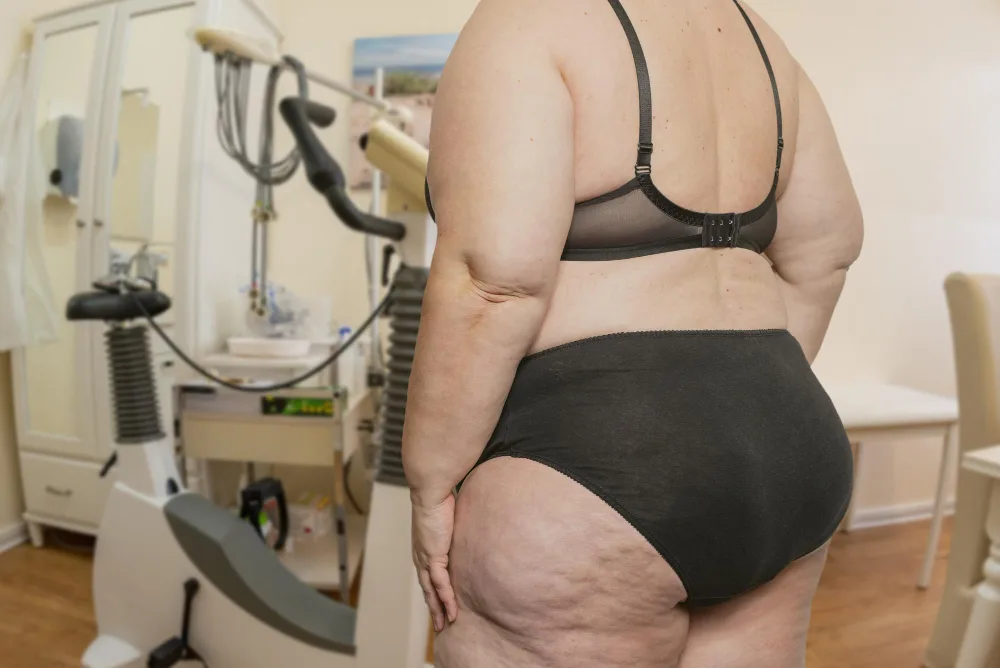
Finding the right medical care for lipedema can feel overwhelming. This chronic condition, characterized by the abnormal accumulation of fat cells in the legs, arms, and sometimes torso, requires specialized knowledge and treatment approaches that many healthcare providers simply don't possess.
Choosing the right lipedema treatment center is one of the most important decisions you'll make in your journey toward better health and quality of life. The center you select will determine not only your treatment outcomes but also your overall experience throughout the process.
This guide will help you navigate the selection process by providing essential questions to ask potential treatment centers. These questions will help you evaluate expertise, treatment options, and the quality of care you can expect to receive.
Does the Center Specialize in Lipedema Treatment?
Lipedema is often misdiagnosed or confused with other conditions like lymphedema or obesity. Your first question should focus on the center's specific experience with lipedema patients.
Ask how many lipedema cases they treat annually and what percentage of their practice is dedicated to this condition. Centers that specialize in lipedema will have seen hundreds of cases and understand the nuances that general practitioners might miss.
Inquire about the medical team's training and certifications. Look for surgeons who have completed specialized training in liposuction techniques specifically for lipedema, such as tumescent liposuction or water-assisted liposuction (WAL).
What Treatment Options Do You Offer?
Effective lipedema treatment often requires a comprehensive approach. A quality treatment center should offer multiple options beyond surgery.
Conservative treatments might include compression therapy, manual lymphatic drainage, pneumatic compression devices, and nutritional counseling. These approaches can help manage symptoms and slow progression, especially in early stages.
For surgical options, ask about the specific techniques they use. Different types of liposuction work better for different patients and stages of lipedema. The center should be able to explain why they recommend certain techniques over others based on your individual case.
How Do You Diagnose and Stage Lipedema?
Proper diagnosis is crucial for effective treatment. Ask about their diagnostic process and what tools they use to assess your condition.
A thorough evaluation should include a detailed medical history, physical examination, and assessment of symptom patterns. Some centers may use additional diagnostic tools like lymphoscintigraphy or bioimpedance analysis to rule out lymphatic involvement.
The center should also be able to explain how they determine lipedema staging (stages 1-3) and how this affects treatment recommendations. Each stage requires different approaches, and the treatment plan should reflect your specific stage and symptoms.
What Are the Qualifications of Your Medical Team?
The expertise of the medical team directly impacts your treatment outcomes. Ask about the credentials and experience of all providers who will be involved in your care.
For surgical procedures, ensure the surgeon is board-certified in plastic surgery, dermatology, or another relevant specialty. Ask specifically about their experience with lipedema surgery and how many procedures they perform annually.
Support staff should also have relevant training. Physical therapists should understand lymphatic drainage techniques, and nutritionists should be familiar with lipedema-specific dietary considerations.
What Can I Expect During Recovery?
Understanding the recovery process helps you prepare both physically and mentally for treatment. Ask detailed questions about what to expect after procedures.
Inquire about typical recovery timelines, pain management approaches, and when you can return to normal activities. Some centers provide detailed recovery guides or have dedicated staff to support you through the healing process.
Ask about follow-up care and monitoring. Quality centers will schedule regular check-ups to monitor your progress and address any concerns that arise during recovery.
How Do You Handle Complications or Concerns?
While complications are rare with experienced providers, it's important to understand how the center handles unexpected situations.
Ask about their complication rates and what steps they take to minimize risks. A reputable center will be transparent about potential complications and have clear protocols for managing them.
Inquire about their communication policies. Can you reach someone after hours if concerns arise? How quickly do they typically respond to patient questions or urgent issues?
What Support Services Are Available?
Lipedema treatment often extends beyond medical procedures. Ask about additional support services that can enhance your treatment experience and outcomes.
Some centers offer support groups where patients can connect with others who understand their experience. Nutritional counseling, physical therapy, and mental health support can all play important roles in comprehensive care.
Ask if they provide educational resources about lipedema, self-care techniques, and long-term management strategies. Knowledge empowers you to take an active role in your treatment and ongoing health.
What Are the Costs and Payment Options?
Treatment costs can vary significantly between centers and based on your specific needs. Ask for detailed cost estimates that include all associated fees.
Inquire about payment plans or financing options if needed. Some centers work with medical financing companies or offer in-house payment plans to make treatment more accessible.
Ask about insurance coverage and whether the center can help with pre-authorization or appeals if claims are initially denied. While insurance coverage for lipedema treatment varies, experienced centers often know how to work with insurance companies effectively.
Can You Provide Patient References or Before/After Photos?
Seeing examples of the center's work can help you understand what results to expect. Ask to see before and after photos of patients with similar conditions and stages of lipedema.
If possible, request contact information for previous patients who are willing to share their experiences. Speaking with someone who has undergone treatment at the center can provide valuable insights into the quality of care and overall experience.
Making Your Final Decision
Take time to visit potential centers and meet with the medical team. Pay attention to how they communicate with you and whether they take time to address your questions and concerns thoroughly.
Trust your instincts about the center's atmosphere and approach to patient care. You should feel comfortable and confident in their abilities to help you achieve your treatment goals.
Remember that the lowest cost option isn't always the best choice when it comes to specialized medical care. Focus on finding a center that combines expertise, comprehensive care, and a patient-centered approach.
If you're looking for a lipedema treatment center, contact Byrd Lipedema Surgery Center today to schedule a consultation. Our experienced team specializes in comprehensive lipedema care and can help you develop a personalized treatment plan that addresses your unique needs and goals.