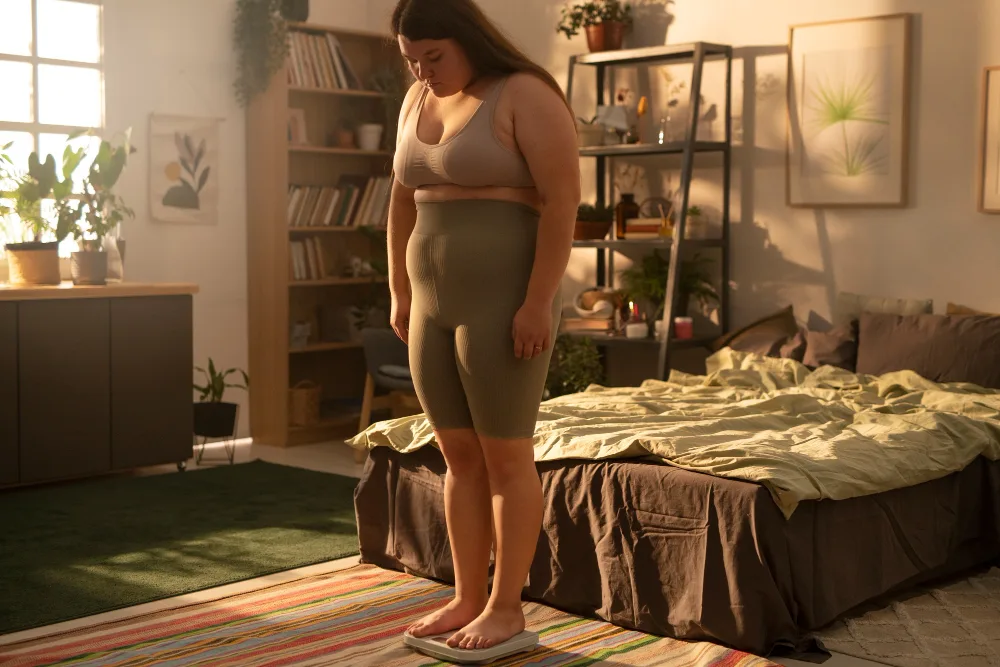
Lipedema affects millions of people worldwide, yet many struggle to find effective treatment options that don't require surgery. This progressive condition causes abnormal fat accumulation in the legs, arms, and sometimes torso, leading to pain, swelling, and mobility issues. While surgical intervention at a specialized lipectomy surgery center remains the gold standard for advanced cases, numerous noninvasive treatments can help manage symptoms and slow disease progression.
This comprehensive guide explores evidence-based noninvasive treatment approaches that can improve your quality of life and help you make informed decisions about your care journey.
Understanding Lipedema Before Treatment
Before exploring treatment options, it's crucial to understand what you're dealing with. Lipedema is a chronic disorder characterized by symmetrical enlargement of the legs and arms due to deposits of subcutaneous fat. Unlike lymphedema or general weight gain, lipedema fat is remarkably resistant to diet and exercise.
The condition typically progresses through three stages. Stage 1 features smooth skin with enlarged subcutaneous tissue. Stage 2 develops an uneven, nodular skin surface. Stage 3 presents large tissue folds and significant mobility limitations. Early intervention with noninvasive treatments can be most effective in preventing progression to later stages.
Conservative Management Strategies
Compression Therapy
Compression garments form the cornerstone of noninvasive lipedema treatment. Medical-grade compression stockings, leggings, or sleeves apply graduated pressure to affected areas, helping reduce swelling and provide structural support.
Flat-knit compression garments work better than circular-knit options for lipedema patients. The firmer, less elastic material provides consistent pressure distribution and better accommodates the irregular contours typical of lipedema-affected limbs. Most patients benefit from 20-30 mmHg compression, though some may require higher pressures.
Custom-fitted garments often provide superior results compared to off-the-shelf options. A certified fitter can ensure proper sizing and pressure distribution, maximizing therapeutic benefits while maintaining comfort for daily wear.
Manual Lymphatic Drainage
Manual lymphatic drainage (MLD) is a specialized massage technique that stimulates lymphatic flow and reduces fluid accumulation. Performed by trained therapists, MLD uses gentle, rhythmic movements to encourage lymph drainage from affected tissues.
Research indicates that regular MLD sessions can reduce limb volume, decrease pain, and improve skin texture in lipedema patients. The technique works best when combined with compression therapy and performed consistently over time. Many patients notice improvements in heaviness and discomfort after several sessions.
Complete Decongestive Therapy (CDT) combines MLD with compression, exercise, and skin care for comprehensive conservative management. This multimodal approach addresses multiple aspects of the condition simultaneously.
Physical Therapy and Exercise
Low-Impact Cardiovascular Exercise
Swimming and water aerobics provide ideal exercise options for lipedema patients. The hydrostatic pressure of water acts as natural compression while supporting body weight, reducing stress on affected joints. The buoyancy allows for greater range of motion and exercise tolerance.
Walking remains beneficial, particularly when wearing appropriate compression garments. Start with short distances and gradually increase duration and intensity based on individual tolerance. Recumbent bicycles offer another joint-friendly cardiovascular option.
Strength Training Modifications
Resistance training can help maintain muscle mass and joint stability, but modifications are often necessary. Focus on seated or supported exercises that don't require prolonged standing. Resistance bands and light weights work well for upper body strengthening without excessive stress on affected areas.
Avoid high-impact activities, prolonged standing exercises, or movements that cause significant tissue trauma. Listen to your body and adjust intensity based on symptoms and recovery.
Lymphatic Enhancement Exercises
Specific exercises can promote lymphatic drainage and reduce fluid accumulation. Deep breathing exercises activate the diaphragmatic pump, encouraging central lymph flow. Gentle ankle pumps and calf raises help activate the muscle pump mechanism in the lower extremities.
Range of motion exercises maintain joint flexibility and prevent contractures that can develop as the condition progresses. Perform these movements slowly and gently, focusing on full range of motion rather than force or speed.
Pneumatic Compression Devices
Home pneumatic compression devices provide an additional tool for managing lipedema symptoms. These devices use inflatable sleeves that apply sequential compression to affected limbs, mimicking the effects of manual lymphatic drainage.
Sequential gradient compression devices work by inflating chambers in a specific pattern, moving fluid from distal to proximal areas. Treatment sessions typically last 30-60 minutes and can be performed daily at home.
While not as effective as professional MLD, pneumatic compression offers convenience and consistency for ongoing management. Some insurance plans cover these devices when prescribed for lipedema treatment.
Nutritional Approaches
Anti-Inflammatory Diet
While lipedema fat doesn't respond to typical weight loss methods, maintaining overall health through proper nutrition remains important. Anti-inflammatory diets rich in omega-3 fatty acids, antioxidants, and whole foods may help reduce systemic inflammation.
Focus on fatty fish, leafy greens, berries, and other nutrient-dense foods while limiting processed foods, excess sugar, and refined carbohydrates. Some patients report symptom improvements with ketogenic or low-carbohydrate approaches, though research in this area remains limited.
Hydration and Salt Management
Proper hydration supports lymphatic function, but balance is key. Drink adequate water throughout the day while avoiding excessive intake that could worsen swelling. Monitor salt intake, as excess sodium can contribute to fluid retention.
Lifestyle Modifications
Skin Care Protocols
Proper skin care prevents complications and maintains tissue health. Use gentle, fragrance-free moisturizers to prevent dryness and cracking. Inspect skin regularly for signs of infection, particularly between tissue folds.
Maintain good hygiene while avoiding harsh scrubbing that could damage fragile skin. Pat dry rather than rubbing, and apply moisturizer while skin is still slightly damp to lock in hydration.
Weight Management
Although lipedema fat resists traditional weight loss methods, maintaining a stable weight prevents additional strain on affected tissues. Focus on overall health rather than weight loss alone, understanding that the scale may not reflect your efforts due to the condition's nature.
Work with healthcare providers familiar with lipedema to develop realistic goals and expectations around weight management.
When to Consider Advanced Treatment
While noninvasive treatments can provide significant relief, they may not be sufficient for all patients or all stages of lipedema. Progressive worsening despite conservative treatment, severe mobility limitations, or frequent infections may indicate the need for more aggressive intervention.
Advanced cases often benefit from specialized surgical approaches available at dedicated treatment centers. These procedures can remove lipedema tissue that doesn't respond to conservative management.
Taking the Next Step in Your Care Journey
Noninvasive treatment plans offer valuable tools for managing lipedema symptoms and potentially slowing disease progression. Success often requires a multimodal approach combining compression therapy, manual lymphatic drainage, appropriate exercise, and lifestyle modifications.
Working with healthcare providers experienced in lipedema treatment ensures you receive appropriate care tailored to your specific needs and disease stage. Regular monitoring allows for treatment adjustments as your condition evolves.
If you're looking for a lipectomy surgery center to discuss advanced treatment options alongside conservative management, contact Byrd Lipedema Surgery Center to schedule a consultation. Their specialized team can help determine the most appropriate treatment plan for your individual situation.