Living with lipedema can feel overwhelming, especially when surgical options seem like the only solution discussed in medical circles. The good news? Several non-surgical treatments can significantly improve symptoms, enhance quality of life, and slow disease progression. Understanding these evidence-based approaches empowers you to make informed decisions about your care and find relief without going under the knife.
This comprehensive guide explores proven non-surgical lipedema treatments, helping you identify which options might work best for your specific situation and symptoms.
Understanding Lipedema: More Than Just Weight Gain
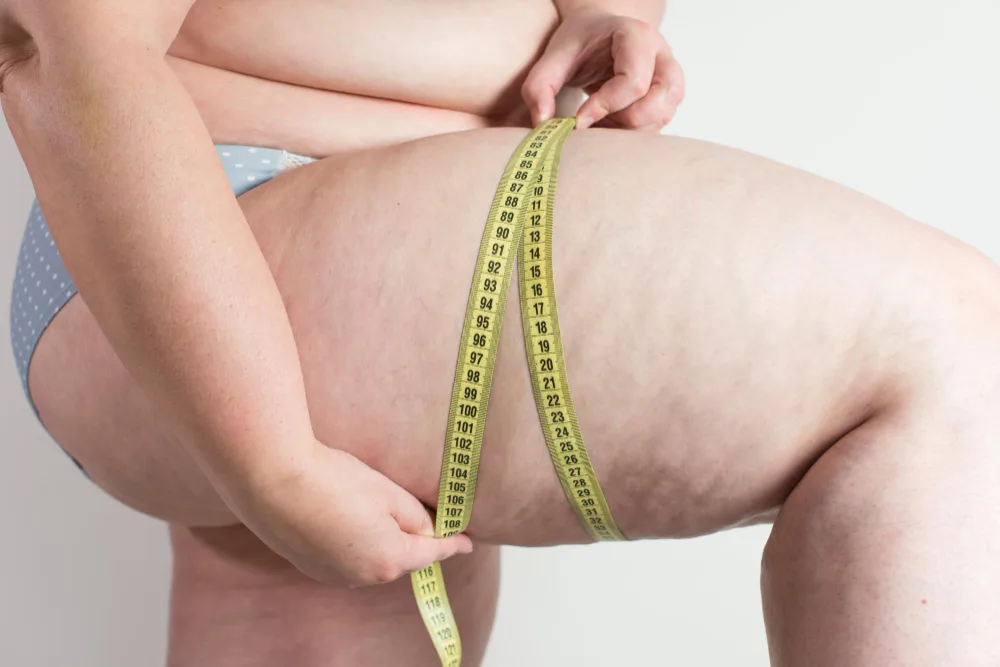
Lipedema is a chronic disorder characterized by the abnormal accumulation of fat cells, primarily in the legs, thighs, and sometimes arms. Unlike regular weight gain, lipedema creates a distinctive pattern of swelling that doesn't respond to diet and exercise alone. The condition affects predominantly women and often worsens during hormonal changes like puberty, pregnancy, or menopause.
The symmetrical fat distribution, combined with pain, tenderness, and easy bruising, distinguishes lipedema from other conditions. Early intervention with appropriate treatments can prevent progression to more advanced stages, making non-surgical options particularly valuable for newly diagnosed patients.
Manual Lymphatic Drainage: The Gold Standard
Manual lymphatic drainage (MLD) stands as one of the most effective non-surgical treatments for lipedema. This specialized massage technique uses gentle, rhythmic movements to stimulate lymphatic flow and reduce fluid buildup in affected tissues.
Performed by certified lymphatic therapists, MLD sessions typically last 60-90 minutes and focus on redirecting lymphatic fluid toward functioning drainage pathways. Many patients report immediate relief from heaviness and swelling after their first session, with cumulative benefits developing over multiple treatments.
The technique requires specific training to perform correctly. Improper pressure or technique can worsen symptoms, making it essential to work with qualified professionals who understand lipedema's unique characteristics.
Complete Decongestive Therapy: A Comprehensive Approach
Complete Decongestive Therapy (CDT) combines multiple treatment modalities for maximum effectiveness. This comprehensive approach typically includes manual lymphatic drainage, compression therapy, specialized exercises, and skin care protocols.
CDT programs usually begin with an intensive phase involving daily treatments for 2-4 weeks, followed by a maintenance phase with regular sessions and home care routines. This systematic approach addresses both immediate symptom relief and long-term management.
Research consistently shows CDT's effectiveness in reducing limb volume, improving mobility, and decreasing pain levels in lipedema patients. The multi-modal approach targets different aspects of the condition simultaneously, creating synergistic effects that surpass individual treatment benefits.
Compression Therapy: Essential Daily Support
Compression garments serve as a cornerstone of non-surgical lipedema management. These specialized garments apply graduated pressure to affected areas, supporting lymphatic drainage and preventing fluid accumulation throughout the day.
Medical-grade compression stockings differ significantly from over-the-counter support hose. Properly fitted compression garments provide specific pressure gradients designed to enhance lymphatic function without restricting blood flow. Professional fitting ensures optimal therapeutic benefit and comfort.
Flat-knit compression garments often work better for lipedema patients than circular-knit options. The flat-knit construction provides more consistent pressure distribution and accommodates the irregular contours common in lipedema-affected limbs.
Pneumatic Compression Devices: Technology-Enhanced Treatment
Pneumatic compression devices offer an advanced approach to managing lipedema symptoms. These machines use sequential inflation and deflation cycles to promote lymphatic drainage and improve circulation in affected areas.
Home-use devices provide convenient daily treatment options, while clinical-grade machines offer more intensive therapy sessions. Many patients find combining professional treatments with home devices creates optimal results.
The rhythmic pressure cycles help mobilize stagnant lymphatic fluid and can provide significant pain relief. Regular use often improves sleep quality and reduces the heavy, tired feeling common in lipedema-affected limbs.
Therapeutic Exercise: Movement as Medicine
Specialized exercise programs play a crucial role in non-surgical lipedema management. Unlike general fitness routines, therapeutic exercises for lipedema focus on promoting lymphatic drainage while protecting sensitive tissues from trauma.
Aquatic therapy offers particular benefits for lipedema patients. The hydrostatic pressure of water provides natural compression while reducing joint stress and supporting gentle movement. Swimming, water walking, and aquatic exercises help improve circulation without exacerbating symptoms.
Low-impact activities like yoga, Pilates, and gentle strength training can also benefit lipedema patients when properly modified. Working with physical therapists familiar with lymphatic conditions ensures exercise programs support rather than hinder treatment goals.
Nutritional Approaches: Supporting Your Body's Healing
While diet alone cannot cure lipedema, specific nutritional strategies can support overall treatment effectiveness and reduce inflammation. Anti-inflammatory eating patterns may help minimize pain and swelling associated with the condition.
Some patients benefit from reducing processed foods, excess sodium, and refined sugars, which can contribute to fluid retention and inflammation. Incorporating omega-3 fatty acids, antioxidant-rich foods, and adequate hydration supports lymphatic function and overall health.
Working with registered dietitians familiar with lipedema can help develop sustainable eating plans that complement other treatment modalities without creating unrealistic restrictions or expectations.
Finding Professional Support
Successful non-surgical lipedema treatment requires working with healthcare providers who understand the condition's unique characteristics. Certified lymphatic therapists, experienced physicians, and specialized treatment centers offer the expertise needed for optimal outcomes.
Look for providers who demonstrate specific knowledge about lipedema, not just general lymphatic conditions. They should understand the difference between lipedema and lymphedema, recognize various disease stages, and tailor treatments accordingly.
Taking the Next Step Forward
Non-surgical lipedema treatments offer hope and tangible relief for countless patients dealing with this challenging condition. The key lies in finding the right combination of treatments and working with knowledgeable healthcare providers who understand your unique needs.
Success often comes from consistency rather than perfection. Starting with one or two treatment modalities and gradually building a comprehensive care plan allows you to identify what works best for your body and lifestyle. Remember that improvement may be gradual, but many patients experience significant quality of life improvements with dedicated non-surgical treatment approaches.
If you're looking for a lipedema treatment center, contact Byrd Lipedema Treatment Center today to schedule an appointment and begin your journey toward better management and improved quality of life.