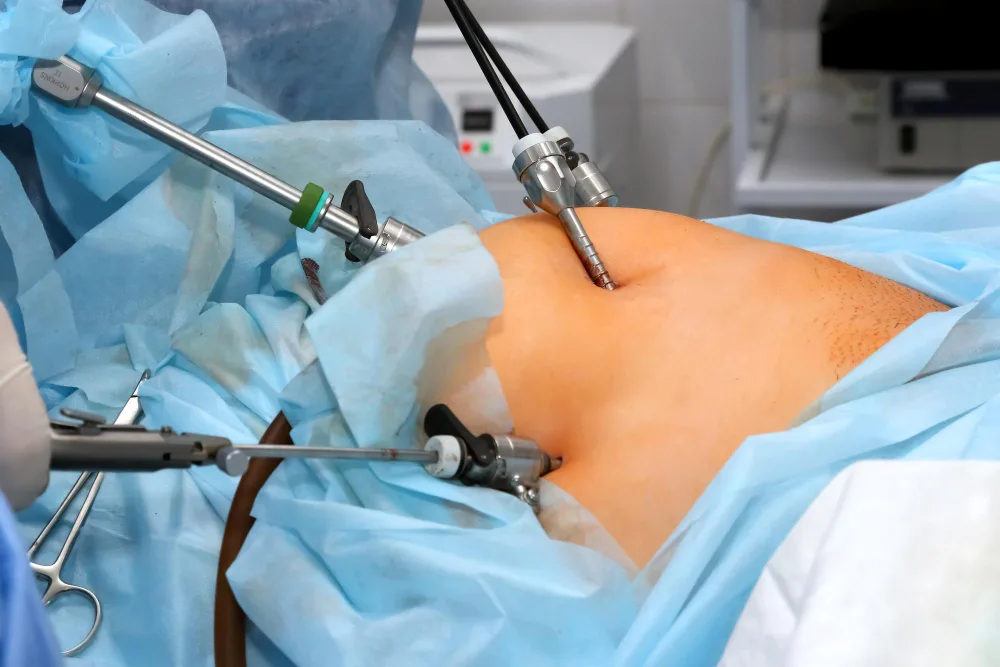
Lipedema is a chronic condition characterized by the abnormal buildup of fat cells, typically in the legs and arms. It can cause pain, swelling, and mobility issues, significantly impacting a person's quality of life. While conservative treatments like diet, exercise, and compression therapy can help manage symptoms, surgical intervention is often necessary to remove the diseased tissue and provide long-term relief.
Two primary surgical options for treating lipedema are liposuction and lipectomy. Both procedures aim to remove excess fat, but they differ in their techniques, applications, and outcomes. Understanding the distinction between the two is crucial for anyone considering surgery. This guide will compare liposuction and lipectomy, helping you understand which procedure might be the right choice for your specific needs and stage of lipedema.
What is Lipedema?
Before comparing the surgical treatments, it's important to understand the condition they address. Lipedema is a fat disorder that almost exclusively affects women. It involves a symmetrical, disproportionate accumulation of fat in the lower body, and sometimes the arms, while the hands and feet remain unaffected. This is not ordinary body fat; it is fibrous and nodular, and it doesn't respond to traditional weight loss methods.
Lipedema progresses through several stages:
- Stage 1: The skin is smooth, but the underlying tissue has a soft, thickened feel. Swelling increases during the day but may resolve with rest and elevation.
- Stage 2: The skin surface becomes uneven and develops a "mattress-like" texture. Larger fat nodules, known as lipomas, can be felt.
- Stage 3: Large extrusions of fat and skin cause significant deformity, particularly around the thighs and knees.
- Stage 4: This stage involves the development of lymphedema in addition to lipedema, a condition known as lipo-lymphedema.
Surgical treatment is often recommended for patients who have not found relief from conservative measures, especially those in later stages of the condition.
Understanding Liposuction for Lipedema
Liposuction is a surgical procedure that uses suction to remove fat from specific areas of the body. When used for lipedema, specialized, lymph-sparing techniques are essential to protect the delicate lymphatic system, which is often already compromised in patients.
How Lymph-Sparing Liposuction Works
Water-Assisted Liposuction (WAL) and Vaser (Vibration Amplification of Sound Energy at Resonance) are two common lymph-sparing techniques.
- Water-Assisted Liposuction (WAL): This method uses a fan-shaped jet of tumescent fluid to gently dislodge fat cells from the surrounding connective tissue. The fat is then immediately suctioned out through the same cannula. This gentle approach helps minimize trauma to blood vessels and lymphatic channels.
- Vaser Liposuction: This technique uses ultrasound energy to break down and liquefy the fat cells before they are removed. The ultrasound waves specifically target fat, leaving surrounding tissues like nerves, blood vessels, and lymphatics relatively undisturbed.
Who is a Good Candidate for Liposuction?
Liposuction is generally most effective for patients in the earlier stages of lipedema (Stages 1 and 2). Ideal candidates for liposuction typically have:
- Good skin elasticity, which allows the skin to retract smoothly over the newly contoured areas after fat removal.
- Localized deposits of lipedema fat without significant amounts of excess, overhanging skin.
- A stable weight and a commitment to maintaining a healthy lifestyle post-surgery.
While liposuction effectively removes the diseased fat, it does not address excess skin. For patients with significant skin laxity, liposuction alone may result in loose, sagging skin.
Exploring Lipectomy for Advanced Lipedema
A lipectomy is a surgical procedure that involves the direct excision, or cutting away, of large areas of fat and skin. Unlike liposuction, which removes fat through small incisions, a lipectomy is a more invasive procedure used to address the large, localized fat deposits and overhanging skin characteristic of advanced lipedema.
How a Lipectomy Works
A lipectomy is performed under general anesthesia. The surgeon makes a long incision in the targeted area, such as the inner thigh or upper arm. The excess skin and the underlying lipedema fat are then surgically removed as a single unit. The remaining skin is pulled taut and sutured closed, creating a smoother, tighter contour.
This procedure is often performed in stages, addressing different areas of the body over several sessions to ensure patient safety and optimal healing.
Who Needs a Lipectomy?
A lipectomy is typically reserved for patients with advanced-stage lipedema (Stage 3 and beyond). It is particularly beneficial for individuals who have:
- Large, bulky masses of fat and skin that cause mobility issues, such as chafing, difficulty walking, or problems with hygiene.
- Poor skin elasticity and significant amounts of loose, overhanging skin that would not retract properly after liposuction alone.
- Lipo-lymphedema, where the sheer volume of tissue obstructs lymphatic flow.
Finding a qualified lipectomy surgery center with experience in treating lipedema is critical, as the procedure requires a deep understanding of the condition and its impact on the lymphatic system.
Liposuction vs. Lipectomy: A Side-by-Side Comparison
Feature | Liposuction (Lymph-Sparing) | Lipectomy |
|---|---|---|
Primary Goal | Remove diseased fat deposits | Remove large areas of excess fat and skin |
Best For | Early-stage lipedema (Stages 1-2) | Advanced-stage lipedema (Stage 3+) |
Technique | Suction-based fat removal | Direct excision of fat and skin |
Invasiveness | Minimally invasive; small incisions | More invasive; long incisions |
Skin Removal | No | Yes |
Recovery Time | Shorter; typically a few weeks | Longer; can take several months |
Scarring | Minimal; small, discreet scars | Significant; long linear scars |
Ideal Candidate | Good skin elasticity | Poor skin elasticity, excess skin |
Sometimes, a combination of both procedures may be the best approach. A surgeon might perform liposuction to debulk and contour an area, followed by a lipectomy to remove the remaining loose skin.
Your Next Steps
Choosing between liposuction and a lipectomy is a significant decision that depends on your individual circumstances, including the stage of your lipedema, your skin quality, and your overall health. The most important step is to consult with a board-certified surgeon who specializes in treating lipedema. An experienced surgeon can accurately assess your condition and recommend a surgical plan tailored to your needs.
If you are dealing with advanced lipedema and the challenges that come with it, finding a reputable lipectomy surgery center is paramount. At the Byrd Lipedema Surgery Center, our team has extensive experience in performing both lymph-sparing liposuction and excisional procedures for patients at all stages of lipedema. We are dedicated to providing compassionate care and achieving results that improve both your health and your quality of life.
Contact the Byrd Lipedema Surgery Center today to schedule a consultation and take the first step toward relief.