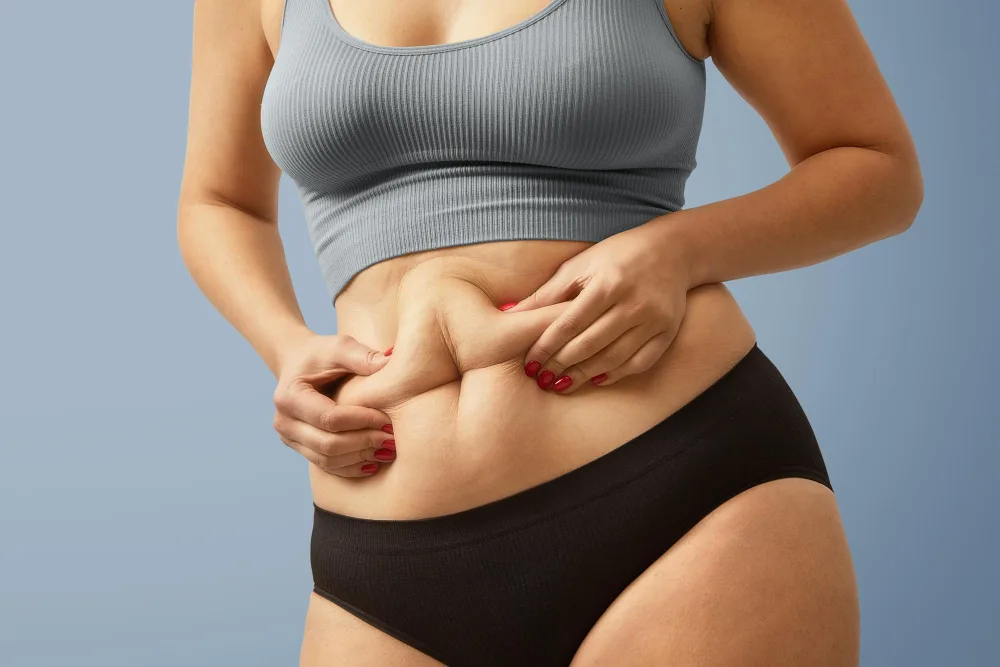
Many women struggle with unexplained weight gain in their legs, hips, and arms that doesn't respond to diet and exercise. If this sounds familiar, you might be dealing with lipedema—a chronic medical condition that's often misdiagnosed as obesity.
Understanding the key differences between lipedema and obesity is crucial for getting the right treatment. While obesity affects the entire body and can be managed through lifestyle changes, lipedema is a progressive disorder that requires specialized medical intervention. Recognizing these distinctions can help you advocate for proper care and explore treatment options like lipedema surgery.
Let's explore the defining characteristics of each condition and help you identify which one might be affecting you.
What is Lipedema?
Lipedema is a chronic disorder that causes abnormal accumulation of fat cells in specific areas of the body, primarily the legs, hips, and sometimes the arms. This condition affects almost exclusively women and typically develops during hormonal changes such as puberty, pregnancy, or menopause.
Unlike regular fat distribution, lipedema creates a distinctive pattern where the affected areas become disproportionately large compared to the rest of the body. The condition is progressive, meaning it worsens over time without proper treatment.
Key characteristics of lipedema include:
- Symmetrical fat distribution in legs, hips, and sometimes arms
- Tender, painful tissue that's sensitive to touch
- Easy bruising in affected areas
- Heavy, aching sensations in the legs
- Feet and hands typically remain unaffected, creating a distinct "cuffing" effect at ankles and wrists
Understanding Obesity
Obesity is a medical condition characterized by excess body weight due to accumulated fat throughout the body. It's typically measured using Body Mass Index (BMI), with a BMI of 30 or higher indicating obesity.
Unlike lipedema, obesity:
- Affects the entire body more uniformly
- Responds to diet and exercise when approached consistently
- Can involve metabolic factors but isn't primarily a fat distribution disorder
- May cause health complications like diabetes, heart disease, and joint problems
Key Differences Between Lipedema and Obesity
Distribution Pattern
The most obvious difference lies in how fat is distributed. Lipedema creates a distinct "pear shape" where the lower body is significantly larger than the upper body. Your torso, face, and hands typically remain normal-sized while your legs and hips become disproportionately enlarged.
Obesity, on the other hand, tends to distribute weight more evenly throughout the body, including the torso, face, and extremities.
Response to Diet and Exercise
Perhaps the most frustrating aspect of lipedema is its resistance to traditional weight loss methods. Women with lipedema often report that no matter how strictly they follow diet and exercise programs, the affected areas remain unchanged or even continue to grow.
With obesity, while weight loss can be challenging, consistent caloric restriction and increased physical activity typically result in overall body weight reduction.
Physical Symptoms
Lipedema comes with distinct physical symptoms that obesity alone doesn't typically cause:
- Pain and tenderness in affected areas
- Easy bruising from minor bumps or pressure
- Feeling of heaviness in the legs
- Swelling that worsens throughout the day
- Skin texture changes that feel nodular or lumpy
Family History
Lipedema often runs in families, suggesting a genetic component. If your mother, sisters, or other female relatives have similar lower body fat distribution patterns, lipedema might be the underlying cause.
When to Seek Medical Evaluation
You should consider consulting a healthcare provider specializing in lipedema if you experience:
- Disproportionate fat accumulation in legs and hips that doesn't respond to diet and exercise
- Pain, tenderness, or easy bruising in these areas
- A family history of similar body shape patterns
- Progressive worsening of symptoms over time
- Emotional distress related to your body shape and failed weight loss attempts
Treatment Options for Lipedema
While lifestyle modifications can help manage lipedema symptoms, they won't address the underlying fat distribution disorder. Treatment approaches include:
Conservative Management
- Complete decongestive therapy (CDT) to reduce swelling
- Compression garments to support affected areas
- Manual lymphatic drainage to improve fluid circulation
- Anti-inflammatory diet to reduce systemic inflammation
Surgical Treatment
For advanced cases, lipedema surgery offers the most effective treatment option. Specialized liposuction techniques can remove the abnormal fat deposits that characterize lipedema, providing both physical relief and improved quality of life.
Lipedema surgery differs from cosmetic liposuction because it specifically targets the diseased fat tissue while preserving the lymphatic system. This surgical approach can:
- Significantly reduce pain and tenderness
- Improve mobility and daily function
- Restore more proportional body contours
- Prevent further disease progression
Getting the Right Diagnosis
Proper diagnosis requires evaluation by a healthcare provider familiar with lipedema. The condition is often overlooked or misdiagnosed as obesity, lymphedema, or simple weight gain.
A comprehensive evaluation typically includes:
- Detailed medical history focusing on symptom progression
- Physical examination to assess fat distribution patterns
- Assessment of pain and tenderness in affected areas
- Review of previous weight loss attempts and their outcomes
- Imaging studies if needed to rule out other conditions
Moving Forward with Confidence
Understanding the difference between lipedema and obesity empowers you to seek appropriate treatment and advocate for your health needs. If your symptoms align with lipedema characteristics, don't let previous misdiagnoses or failed diet attempts discourage you from pursuing proper medical care.
Remember that lipedema is a legitimate medical condition that requires specialized treatment. With the right approach, including potential lipedema surgery for advanced cases, you can find relief from symptoms and improve your quality of life.
If you're considering lipedema surgery, contact Byrd Lipedema Surgery Center today to schedule an appointment. Their specialized team can help determine if you're a candidate for surgical treatment and develop a comprehensive care plan tailored to your needs.