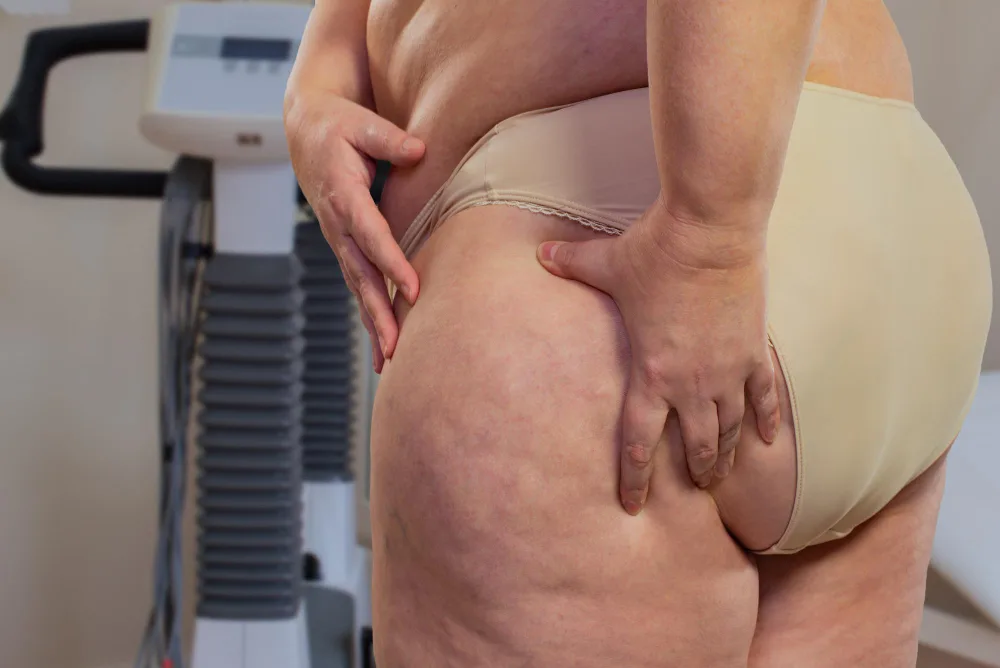
Many people confuse lipedema and lymphedema, and it's easy to see why. Both conditions cause swelling in the arms and legs, both can be painful, and both predominantly affect women. However, these are two distinct medical conditions that require different treatment approaches.
If you've been experiencing unexplained swelling, pain, or changes in your limbs, understanding the differences between these conditions is crucial for getting the right diagnosis and treatment. Misdiagnosis is unfortunately common, leading to years of frustration and ineffective treatments.
This guide will help you distinguish between lipedema and lymphedema, covering their causes, symptoms, and treatment options so you can make informed decisions about your health care.
What Is Lipedema?
Lipedema is a chronic disorder characterized by the symmetrical accumulation of fat tissue, primarily in the legs and sometimes the arms. Unlike regular weight gain, this fat distribution is disproportionate and resistant to diet and exercise.
The condition typically develops during hormonal changes such as puberty, pregnancy, or menopause, suggesting a strong hormonal component. Lipedema affects almost exclusively women, with estimates suggesting it impacts up to 11% of the female population, though many cases go undiagnosed.
Key Characteristics of Lipedema
The fat deposits in lipedema have a distinctive appearance and feel. They're often described as feeling like "rice" or small nodules under the skin. The affected areas may be tender to touch and bruise easily. Unlike typical obesity, the trunk usually remains normal-sized while the limbs become disproportionately large.
Lipedema progresses through stages, starting with smooth skin and small nodules, advancing to larger nodules and skin changes, and potentially culminating in large masses of tissue that can significantly impact mobility.
What Is Lymphedema?
Lymphedema occurs when the lymphatic system fails to drain lymph fluid properly, causing it to build up in tissues. This buildup leads to swelling, typically in the arms or legs, though it can affect other parts of the body.
There are two main types: primary lymphedema, which results from developmental abnormalities in the lymphatic system, and secondary lymphedema, which develops due to damage from surgery, radiation, infection, or trauma. Cancer treatments, particularly those involving lymph node removal, are common causes of secondary lymphedema.
How Lymphedema Develops
The lymphatic system is part of your immune system, responsible for filtering out toxins and excess fluid. When this system is compromised, protein-rich fluid accumulates in tissues, causing swelling that can become permanent if left untreated.
Unlike lipedema, lymphedema can affect people of any gender and age, depending on the underlying cause.
Lipedema vs. Lymphedema: Spotting the Differences
While both conditions cause limb swelling, several key differences can help distinguish between them.
Distribution Patterns
Lipedema typically affects both legs symmetrically, creating a characteristic "column-like" appearance. The feet are usually spared, creating a distinct cuff-like appearance at the ankles. When arms are involved, the hands typically remain normal-sized.
Lymphedema, conversely, often starts in one limb and may affect the hands or feet. The swelling can be asymmetrical and may involve the fingers, toes, and even the trunk.
Skin Changes and Texture
Lipedema skin often feels soft and doughy, with a characteristic nodular texture underneath. The skin may be cool to touch and appears relatively normal in early stages.
Lymphedema causes skin that feels tight and firm. Over time, the skin may become thick, hard, and develop a "pitted" appearance. The affected area often feels warm and may be prone to infections.
Pain and Sensations
People with lipedema frequently report aching, burning, or stabbing pains, especially after standing or walking. The affected areas are often tender to touch and bruise easily from minor bumps.
Lymphedema typically causes a heavy, tight feeling rather than sharp pain. The affected limb may feel stiff and difficult to move, but it's generally less painful than lipedema.
Response to Elevation and Diet
Elevating the legs provides little relief for lipedema symptoms, and the condition doesn't respond to dietary changes or typical weight loss methods.
Lymphedema often improves with elevation and may respond better to dietary modifications, particularly reducing sodium intake.
Diagnosis and Professional Evaluation
Getting an accurate diagnosis requires evaluation by a healthcare provider experienced with these conditions. Many physicians aren't familiar with lipedema, leading to frequent misdiagnoses as obesity or lymphedema.
A thorough evaluation typically includes a detailed medical history, physical examination, and sometimes imaging studies. The provider will assess the pattern of swelling, skin changes, and response to various treatments you may have already tried.
For lymphedema diagnosis, healthcare providers may use specialized tests like lymphoscintigraphy to evaluate lymphatic function. This test involves injecting a small amount of radioactive material to track lymph flow.
Treatment Approaches
Lipedema Treatment Options
Treatment for lipedema focuses on managing symptoms, slowing progression, and improving quality of life. Conservative treatments include:
- Compression therapy: Custom-fitted compression garments can help manage swelling and provide support
- Manual lymphatic drainage: Specialized massage techniques to improve fluid movement
- Exercise: Low-impact activities like swimming and walking can help maintain mobility
- Skin care: Proper hygiene and moisturizing to prevent complications
For advanced cases, surgical options like liposuction specifically designed for lipedema may be considered. This specialized procedure differs from cosmetic liposuction and requires expertise in treating lipedema patients.
Lymphedema Management
Lymphedema treatment centers on reducing swelling and preventing complications:
- Complete decongestive therapy (CDT): A comprehensive approach combining manual lymphatic drainage, compression therapy, exercise, and skin care
- Compression garments: Essential for maintaining fluid reduction achieved through other treatments
- Pneumatic compression devices: Mechanical pumps that help move fluid out of affected limbs
- Exercise programs: Specific exercises designed to promote lymphatic drainage
Early intervention is crucial for lymphedema, as the condition can worsen without proper treatment and lead to serious complications like cellulitis.
Finding Specialized Care
Both conditions benefit from treatment by healthcare providers with specialized knowledge and experience. Look for:
- Certified lymphedema therapists
- Vascular specialists familiar with lipedema
- Comprehensive treatment centers offering multiple modalities
- Support groups and educational resources
When searching for care, ask about the provider's experience with your specific condition, available treatment options, and their approach to long-term management.
Taking the Next Step Toward Better Health
Understanding the differences between lipedema and lymphedema is the first step toward getting appropriate treatment. Both conditions can significantly impact quality of life, but with proper diagnosis and management, many people find significant relief from their symptoms.
Don't let misunderstanding or misdiagnosis delay your path to better health. If you recognize symptoms of either condition, seek evaluation from a knowledgeable healthcare provider who can properly assess your situation and develop a personalized treatment plan.
If you're looking for a lipedema treatment center, contact Byrd Lipedema Surgery Center today to schedule an appointment. Our experienced team understands the complexities of these conditions and can help you find the right path forward for managing your symptoms and improving your quality of life.