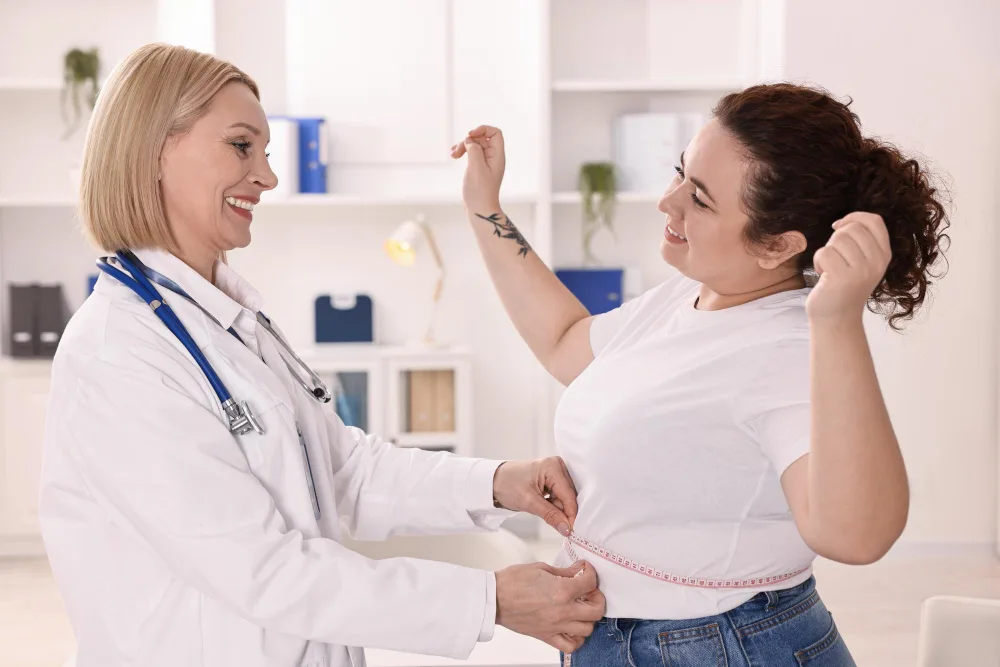
Living with lipedema can feel overwhelming, especially when you're navigating treatment options for the first time. This chronic condition, which causes abnormal fat distribution primarily in the legs and arms, affects millions of people worldwide—yet many struggle to find comprehensive care that addresses both the physical and emotional aspects of the condition.
Understanding your treatment options is the first step toward managing lipedema effectively. From conservative approaches to surgical interventions, each treatment plan offers unique benefits depending on your stage of lipedema, symptoms, and personal goals. This guide explores the most effective treatment strategies available at specialized lipedema treatment centers, helping you make informed decisions about your care.
Conservative Treatment Approaches
Complete Decongestive Therapy (CDT)
Complete Decongestive Therapy forms the foundation of most lipedema treatment plans. This comprehensive approach combines manual lymphatic drainage, compression therapy, exercise, and skin care to manage symptoms and slow disease progression.
Manual lymphatic drainage involves specialized massage techniques that stimulate lymphatic flow, reducing fluid buildup and inflammation. Professional therapists trained in lipedema care use gentle, rhythmic movements to encourage proper lymphatic drainage throughout affected areas.
Compression therapy plays a crucial role in maintaining the benefits of lymphatic drainage. Custom-fitted compression garments or bandaging systems apply consistent pressure to prevent fluid reaccumulation. Many patients find that properly fitted compression significantly reduces pain and heaviness in their limbs.
Exercise and Physical Therapy
Exercise programs designed specifically for lipedema patients focus on low-impact activities that promote lymphatic circulation without causing additional inflammation. Water-based exercises are particularly beneficial, as the hydrostatic pressure provides natural compression while allowing for gentle movement.
Physical therapy can help improve mobility, reduce pain, and maintain joint function. Specialized therapists understand how lipedema affects movement patterns and can develop personalized exercise routines that work with your body's unique needs.
Nutritional Support
While diet alone cannot cure lipedema, proper nutrition supports overall health and may help manage inflammation. Anti-inflammatory eating patterns, including foods rich in omega-3 fatty acids and antioxidants, can complement other treatment approaches.
Some patients benefit from working with nutritionists who understand lipedema's unique characteristics. These professionals can help develop sustainable eating plans that support energy levels and overall well-being without promoting restrictive behaviors.
Advanced Treatment Options
Lymphatic-Sparing Liposuction
When conservative treatments aren't sufficient, lymphatic-sparing liposuction offers a surgical solution specifically designed for lipedema patients. This specialized technique removes abnormal fat deposits while preserving the lymphatic system's integrity.
Unlike traditional liposuction, lymphatic-sparing procedures use smaller cannulas and gentler techniques to minimize trauma to surrounding tissues. Experienced surgeons who specialize in lipedema understand the condition's unique tissue characteristics and can achieve significant improvements in both symptoms and appearance.
The procedure typically requires multiple sessions to address all affected areas safely. Recovery involves continued use of compression garments and lymphatic drainage to optimize healing and maintain results.
Water-Assisted Liposuction (WAL)
Water-assisted liposuction represents another surgical option for lipedema patients. This technique uses a gentle water jet to dislodge fat cells before removal, potentially causing less trauma to lymphatic vessels compared to traditional methods.
Many patients experience reduced pain and swelling following WAL procedures. The gentler approach may also lead to faster recovery times and better preservation of lymphatic function.
Creating Your Personalized Treatment Plan
Assessment and Staging
Effective lipedema treatment begins with proper assessment and staging. Healthcare providers evaluate factors such as tissue texture, distribution patterns, pain levels, and functional limitations to determine the most appropriate treatment approach.
Stage 1 lipedema may respond well to conservative treatments alone, while later stages often require a combination of conservative and surgical interventions. Understanding your specific stage helps set realistic expectations for treatment outcomes.
Multidisciplinary Care Teams
The most successful lipedema treatment plans involve multidisciplinary teams that may include vascular specialists, plastic surgeons, physical therapists, nutritionists, and mental health professionals. This collaborative approach ensures all aspects of the condition receive appropriate attention.
Mental health support often plays an important role in comprehensive care. Living with a chronic condition can impact emotional well-being, and counselors experienced with lipedema can provide valuable coping strategies and support throughout treatment.
Treatment Sequencing
Most lipedema treatment centers recommend starting with conservative approaches before considering surgical options. This allows patients to experience symptom relief while optimizing their overall health for potential future procedures.
For patients who do pursue surgical treatment, continuing conservative therapies afterward helps maintain results and prevent symptom recurrence. The combination of surgical and non-surgical approaches often provides the best long-term outcomes.
Choosing the Right Lipedema Treatment Center
Specialized Expertise
When selecting a lipedema treatment center, look for facilities with specific experience treating this condition. Lipedema requires specialized knowledge that differs from general lymphatic or cosmetic procedures.
Ask about the center's experience with lipedema patients, their treatment success rates, and the credentials of their care team. Centers that focus specifically on lipedema often provide more comprehensive and effective care.
Comprehensive Services
The best lipedema treatment centers offer multiple treatment modalities under one roof. This integrated approach allows for better coordination of care and more convenient access to various specialists.
Look for centers that provide both conservative and surgical options, as your treatment needs may evolve over time. Having access to the full spectrum of care ensures continuity as your condition changes.
Patient Support and Education
Quality lipedema treatment centers prioritize patient education and support. They should provide clear information about your condition, treatment options, and realistic expectations for outcomes.
Many centers offer support groups or educational resources that help patients connect with others facing similar challenges. This community aspect can be invaluable for emotional support and practical advice.
Moving Forward with Confidence
Understanding your lipedema treatment options empowers you to make informed decisions about your care. Whether you're exploring conservative treatments or considering surgical interventions, working with experienced professionals makes a significant difference in outcomes.
Remember that lipedema treatment is often a journey rather than a quick fix. The most successful patients work closely with their healthcare teams to develop comprehensive, personalized approaches that address their unique needs and goals.
If you're looking for a lipedema treatment center, contact Byrd Lipedema Treatment Center today to schedule an appointment. Their experienced team can help evaluate your condition and develop a treatment plan tailored to your specific needs and circumstances.