When you hear the word "liposuction," you might picture a cosmetic procedure designed to remove stubborn fat and contour the body. While that's often the case, there's another, more specialized type of liposuction performed for medical reasons: Lipedema surgery. Although both procedures involve removing fat, they are fundamentally different in their purpose, technique, and patient outcomes.
Understanding the distinctions between cosmetic liposuction and surgical treatment for Lipedema is crucial for anyone affected by this often misunderstood condition. This guide will explain the key differences to help you make informed decisions about your health and treatment options. We'll cover the goals of each procedure, the surgical techniques involved, and what to expect during recovery.
What is Lipedema?
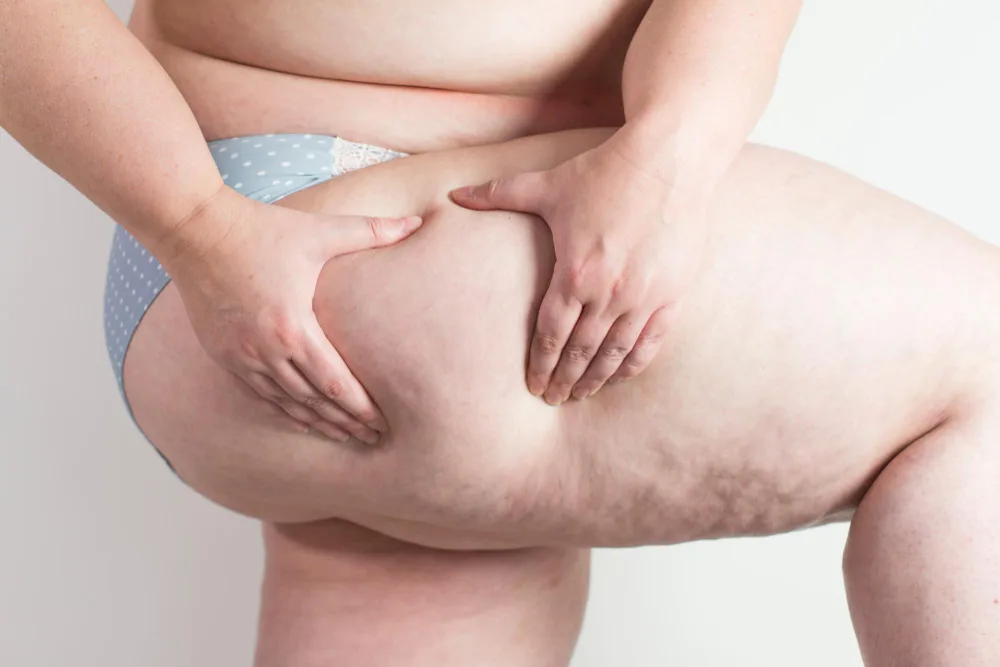
Before comparing the surgical procedures, it's important to understand Lipedema itself. Lipedema is a chronic medical condition characterized by an abnormal and disproportionate accumulation of fat cells, typically in the legs, thighs, and buttocks. Unlike regular weight gain, this fat is often painful, bruises easily, and is resistant to diet and exercise.
Key characteristics of Lipedema include:
- Symmetrical Swelling: The fat accumulation is usually symmetrical in both legs, often stopping abruptly at the ankles, creating a "cuff" or "bracelet" effect.
- Pain and Tenderness: The affected areas are often tender to the touch and can ache constantly.
- Easy Bruising: Patients may notice frequent bruising in the affected limbs without significant trauma.
- "Column-like" Legs: As the condition progresses, the legs can take on a columnar appearance.
- Resistance to Diet/Exercise: The fat associated with Lipedema does not typically respond to conventional weight-loss methods.
Because it is a progressive disease, if left untreated, Lipedema can lead to mobility issues, joint problems, and secondary lymphedema (lipo-lymphedema). The primary goal of treating Lipedema is to manage symptoms, reduce pain, and improve the patient's quality of life.
The Purpose: Medical Need vs. Aesthetic Goal
The most significant difference between Lipedema surgery and cosmetic liposuction lies in their primary objectives.
Lipedema Surgery: A Medical Necessity
Lipedema surgery is a medical procedure aimed at treating a diagnosed disease. The main goal is not cosmetic enhancement but rather to alleviate the painful and debilitating symptoms of Lipedema. Surgeons focus on carefully removing the diseased fat tissue to reduce pain, improve mobility, and halt the progression of the condition. By debulking the abnormal fat, the surgery can prevent further complications like joint damage and the onset of lipo-lymphedema. For patients with Lipedema, this surgery is often a life-changing intervention that restores function and provides significant pain relief.
Cosmetic Liposuction: An Aesthetic Choice
Cosmetic liposuction, on the other hand, is an elective procedure performed to enhance a person's physical appearance. It targets localized deposits of healthy fat that are resistant to diet and exercise, such as on the abdomen, hips, or thighs. The goal is to sculpt and contour these areas to create a more aesthetically pleasing silhouette. While it can improve self-esteem, it does not address a medical condition. It's a choice made for cosmetic improvement rather than medical necessity.
The Technique: Preserving Lymphatics vs. Sculpting Contours
The surgical techniques used in Lipedema surgery and cosmetic liposuction are also distinct, reflecting their different goals.
Lipedema Surgery Techniques
Lipedema surgery requires specialized, lymphatic-sparing techniques. The lymphatic system is a network of tissues and organs that help rid the body of toxins and waste. In patients with Lipedema, this system is already under stress and can be fragile. Damaging it during surgery could lead to lymphedema, a serious swelling condition.
To avoid this, surgeons use methods such as:
- Water-Assisted Liposuction (WAL): This technique uses a gentle, fan-shaped spray of tumescent fluid to dislodge fat cells, making them easier to remove without damaging surrounding tissues, including delicate lymphatic vessels.
- Power-Assisted Liposuction (PAL): This method uses a cannula that vibrates to break up fat before it's suctioned out. When used carefully by an experienced Lipedema surgeon, it can effectively remove diseased fat while minimizing trauma to the lymphatics.
The focus is always on the careful and thorough removal of the pathological Lipedema tissue while meticulously preserving the integrity of the lymphatic system. Surgeons performing this procedure require extensive training and a deep understanding of Lipedema pathology and lymphatic anatomy.
Cosmetic Liposuction Techniques
In cosmetic liposuction, the primary goal is to achieve a smooth, contoured result. While surgeons are always mindful of surrounding tissues, the preservation of the lymphatic system is not the central technical challenge in the same way it is with Lipedema. The fat being removed is healthy and less intertwined with other structures.
Techniques can vary, including traditional suction-assisted liposuction (SAL), PAL, and laser-assisted methods. The surgeon's focus is on artistic sculpting and achieving a visually appealing shape, which involves different cannula movements and a different approach to fat removal compared to the debulking required for Lipedema.
The Patient and Recovery Process
The patient's journey before, during, and after surgery also differs significantly.
The Lipedema Surgery Patient
A candidate for Lipedema surgery has a medical diagnosis of the condition. They are often seeking relief from chronic pain, heaviness, and mobility issues. Recovery from Lipedema surgery is a medical process that focuses on healing and managing post-operative swelling.
- Post-Op Care: Patients are required to wear compression garments for several weeks or months to manage swelling and support the lymphatic system.
- Manual Lymphatic Drainage (MLD): This specialized massage technique is often a crucial part of recovery to help reduce swelling and prevent fibrosis (scar tissue).
- Multiple Stages: Due to the large volume of fat that often needs to be removed, Lipedema surgery is typically performed in multiple stages, spaced several months apart, to ensure patient safety.
The Cosmetic Liposuction Patient
A cosmetic liposuction patient is typically in good health and seeking to improve their body contour. Recovery focuses on reducing swelling and bruising to reveal the final aesthetic result. While compression garments are also used, the intensive focus on lymphatic health is less pronounced. The procedure is usually completed in a single session, as the volume of fat removed is generally smaller.
Find Your Path to Relief
While both Lipedema surgery and cosmetic liposuction use fat removal techniques, they are worlds apart in purpose, method, and patient care. Lipedema surgery is a complex medical treatment designed to alleviate the symptoms of a painful, chronic disease by carefully removing pathological fat while preserving the delicate lymphatic system. Cosmetic liposuction is an elective procedure focused on aesthetic body sculpting.
Recognizing these differences is the first step toward finding the right treatment. If you experience symptoms like painful, disproportionate fat in your limbs that doesn't respond to weight loss, it's essential to seek a diagnosis from a qualified specialist.
If you are considering Lipedema surgery, it's crucial to choose a surgeon with specific expertise in treating this condition. Contact the Byrd Lipedema Surgery Center today to schedule a consultation and learn more about how we can help you find relief and improve your quality of life.