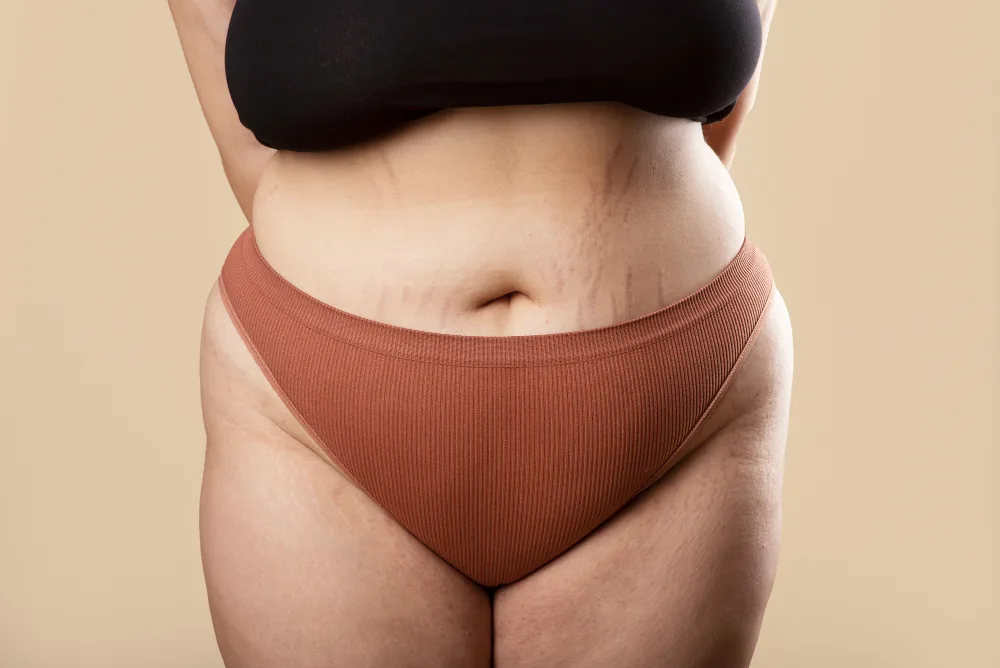
You’ve tried every diet under the Florida sun. You’ve sweated through countless workouts. Yet, the disproportionate fat in your legs or arms just won't budge. If this sounds like your daily struggle, you might not be dealing with standard weight gain—you might be one of the millions of women affecting by lipedema.
Lipedema is a chronic condition that causes an abnormal buildup of fat, usually in the lower body. Unlike typical fat, this tissue is often painful, tender to the touch, and resistant to diet and exercise. Approximately 70-98.7% of patients reported daily pain, and for many, the physical discomfort is matched only by the emotional frustration of feeling misunderstood by medical professionals who mistake the condition for obesity.
But there’s hope. While lipedema is a chronic condition, surgical intervention has proven to be a life-changing option for many. In this post, we’ll explore whether lipedema surgery is the solution you’ve been looking for, how it works, and what you can expect from the process at a specialized center.
What is lipedema and how is it different from obesity?
Lipedema is distinct from general obesity because it typically affects specific areas of the body symmetrically—usually the legs, hips, and sometimes arms—while leaving the feet and hands unaffected. This creates a "cuffing" effect at the ankles or wrists.
Obesity usually involves excess fat distributed throughout the entire body, including the midsection. Lipedema fat is also physically different; it often feels nodular, like beans in a bag, and can be painful when pressed. Perhaps the most frustrating difference for our patients is that calorie restriction, which reduces regular fat, has little to no effect on lipedema fat.
Recognizing these symptoms early matters because untreated lipedema can progress. It typically moves through stages:
- Stage 1: Skin looks smooth but fat tissue is thickened and may be painful.
- Stage 2: Skin develops a mattress-like texture with indentations (lipomas).
- Stage 3: Large lobes of fat cause significant deformity and restrict mobility.
Can surgery actually remove lipedema?
Yes, specialized surgery is currently the most effective method for removing lipedema fat and alleviating the associated pain. The goal isn't just cosmetic improvement; it’s about restoring mobility, reducing pain, and preventing the condition from worsening.
The primary surgical method used is liposuction, but it’s not the standard cosmetic liposuction you might be familiar with. Specialized techniques are required to protect the lymphatic system, which is often compromised in lipedema patients.
Water-Jet Assisted Liposuction (WAL)
WAL uses a fan-shaped jet of water to gently dislodge fat cells from the connective tissue before suctioning them out. This method is often preferred for lipedema surgery because it's gentle on the lymphatic vessels and nerves, reducing the risk of post-surgical swelling (lymphedema).
Tumescent Liposuction
This technique involves injecting a large volume of a dilute solution (containing anesthetic and adrenaline) into the fat tissue. This causes the area to become swollen and firm (tumescent), allowing the surgeon to remove fat more precisely with minimal bleeding.
Power-Assisted Liposuction (PAL)
PAL uses a vibrating cannula (a thin tube) to break up fat cells so they can be suctioned out more easily. This allows for the removal of larger volumes of fat with less physical force, which can mean a quicker recovery for the patient.
Who is a good candidate for lipedema surgery?
You’re likely a good candidate if you have a confirmed diagnosis of lipedema and conservative treatments—like compression garments or manual lymphatic drainage—haven't provided sufficient relief.
Surgery is a significant decision, and it’s generally recommended for patients who:
- Are in good general health to undergo anesthesia.
- Have realistic expectations about the outcomes (improvement in pain and mobility is the primary goal).
- Are committed to post-operative care, including wearing compression garments.
It’s crucial to undergo a thorough medical evaluation. We look at your overall health, the stage of your lipedema, and any underlying conditions to determine if surgery is the safe and right path for you.
What does recovery look like?
Recovery varies depending on the extent of the surgery and the amount of fat removed, but most patients can expect to take at least 1 to 2 weeks off work.
Immediate post-op care involves managing swelling and bruising. You’ll be required to wear compression garments around the clock for several weeks. These garments help reduce swelling and support your tissues as they heal.
While you might see immediate changes in the shape of your limbs, the full results—especially the reduction in pain and swelling—typically become apparent over 3 to 6 months. Many of our patients report a "lightness" in their legs that they haven't felt in years.
Are there risks involved?
Like any surgical procedure, lipedema surgery carries risks, though serious complications are rare when performed by an experienced specialist.
Potential risks include:
- Infection or bleeding: Standard risks associated with any surgery.
- Lymphatic damage: This is the most significant specific concern with lipedema surgery. If lymphatic vessels are damaged, it can lead to permanent swelling (lymphedema). This is why choosing a surgeon who specializes in lipedema—not just general cosmetic liposuction—is non-negotiable.
- Skin irregularities: In some cases, loose skin may remain after the fat is removed, although specialized techniques help minimize this.
Why choose Byrd Lipedema Surgery Center?
We aren't just a general plastic surgery clinic; we are specialists dedicated to the treatment of lipedema. Dr. Byrd and our team understand that this condition is more than skin deep—it affects your mobility, your comfort, and your daily life.
Located right here in the heart of our community, we treat our patients like neighbors, not numbers. We use specialized, lymph-sparing techniques designed specifically for lipedema to ensure the safest possible outcome. From your first consultation to your final follow-up, we walk this journey with you.
Taking the next step toward relief
Living with lipedema can feel isolating, but you don’t have to navigate it alone. Surgery offers a viable path to reducing pain and reclaiming your mobility. If you’re tired of heavy, painful legs holding you back from enjoying life in Orlando, it might be time to explore your surgical options.
If you’re ready to learn more about how lipedema surgery can help you, we’re here to answer your questions. Contact Byrd Lipedema Surgery Center today or visit our office to schedule your personal consultation. Let’s get you moving comfortably again.