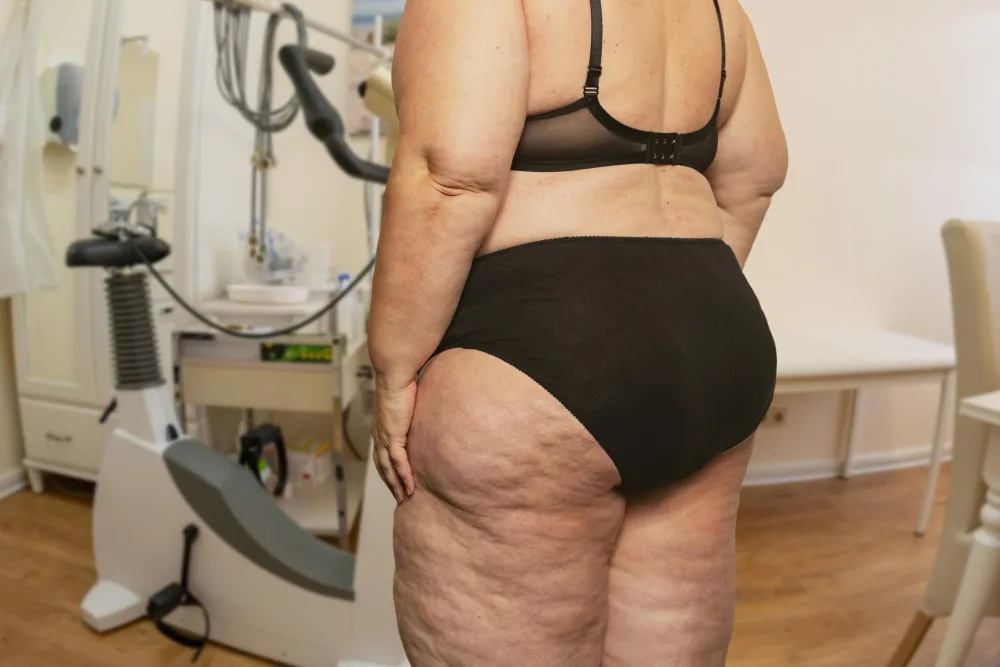
Lipedema is a chronic condition that causes an abnormal accumulation of fat, typically in the legs and arms. It can be painful, affect mobility, and significantly impact a person's quality of life. While conservative treatments like compression therapy and a healthy lifestyle can manage symptoms, they don't remove the diseased fat. For many, lipedema liposuction is the most effective treatment for long-term relief and improved body contour.
Deciding to undergo surgery is a major step. It's natural to have questions about the process, from the initial consultation to the final recovery stages. Understanding what to expect before, during, and after lipedema liposuction can help you feel more prepared and confident in your decision.
This guide will walk you through each phase of the journey, providing a clear overview of what happens at every stage. We'll cover the preparation process, the surgical procedure itself, and the crucial recovery period, so you can embark on your treatment path with clarity and peace of mind.
Before Your Lipedema Liposuction
The journey to relief from lipedema symptoms begins long before you enter the operating room. The preparation phase is essential for ensuring a safe and successful outcome.
The Initial Consultation
Your first step will be a detailed consultation with a surgeon specializing in lipedema. During this meeting, you should be prepared to discuss your medical history, current symptoms, and what you hope to achieve with the surgery. This is your opportunity to ask questions and ensure you feel comfortable with your surgeon and their proposed treatment plan.
Your surgeon will perform a physical examination to assess the stage and type of your lipedema. They will determine which areas need treatment and discuss the most appropriate liposuction techniques for your specific case, such as Water-Assisted Liposuction (WAL) or Tumescent Liposuction.
Preparing Your Body for Surgery
Once you decide to move forward, your surgical team will provide specific instructions to prepare your body for the procedure. These may include:
- Medical Evaluation: You might need blood tests or a check-up with your primary care physician to ensure you are healthy enough for surgery.
- Medication Adjustments: You may be asked to stop taking certain medications or supplements that can increase bleeding risk, such as aspirin, anti-inflammatory drugs, and some herbal remedies.
- Diet and Nutrition: Your surgeon may recommend a healthy, anti-inflammatory diet to optimize your body’s healing capacity. Staying well-hydrated is also crucial.
- Compression Garments: You might be advised to wear compression garments before the surgery to help manage swelling and prepare your tissues.
- Smoking Cessation: If you smoke, you will be required to quit several weeks before and after the surgery. Smoking impairs circulation and can severely compromise healing.
Planning for Your Recovery
Arranging for post-operative care is just as important as preparing for the surgery itself. You will need someone to drive you home after the procedure and assist you for at least the first 24 to 48 hours.
Prepare your home to be a comfortable recovery space. This includes having loose, comfortable clothing, plenty of pillows to elevate your limbs, and pre-prepared meals. You will also need to purchase any prescribed medications and post-operative supplies, like dressings and compression garments, ahead of time.
During the Liposuction Procedure
On the day of your lipedema liposuction, you will arrive at the surgical facility and be prepped for the procedure. The surgical team will review the plan with you one last time and answer any final questions.
Anesthesia and Incisions
The surgery is typically performed under general anesthesia or local anesthesia with sedation, depending on the extent of the procedure and your surgeon's recommendation. Once you are comfortable, the surgeon will make several small incisions in the treatment areas. These incisions are usually very small and placed in discreet locations to minimize visible scarring.
The Liposuction Process
The surgeon will then use a specialized liposuction technique to remove the diseased lipedema fat. Techniques like WAL use a gentle stream of saline solution to dislodge fat cells before suctioning them out, which helps to spare surrounding lymphatic vessels and connective tissue. This careful, lymph-sparing approach is critical for treating lipedema effectively and avoiding complications.
The duration of the surgery depends on the number of areas being treated and the amount of fat being removed. It can range from two to five hours. Throughout the procedure, your vital signs will be closely monitored to ensure your safety.
After the Procedure
Once the liposuction is complete, the small incisions may be closed with sutures or left open to allow for fluid drainage, depending on the surgeon's preference. Dressings and compression garments will be applied to the treated areas to control swelling and support the healing tissues. You will then be moved to a recovery room where you will be monitored as the anesthesia wears off.
After Your Lipedema Liposuction
The recovery phase is a critical part of your journey. Following your surgeon's post-operative instructions carefully is essential for achieving the best possible results and minimizing complications.
The First Few Weeks
The initial recovery period can be challenging, but it is temporary.
- Pain and Discomfort: You will experience some pain, swelling, and bruising. Your surgeon will prescribe pain medication to manage this discomfort.
- Drainage: It is normal for a significant amount of tumescent fluid to drain from the incisions for the first few days. This helps reduce swelling and bruising.
- Compression Garments: You will need to wear compression garments 24/7 for several weeks. These garments are crucial for controlling swelling, supporting the new contours of your limbs, and promoting healing.
- Activity Level: You will be encouraged to start walking as soon as possible to promote circulation and prevent blood clots. However, you must avoid strenuous activities, heavy lifting, and intense exercise for several weeks.
Long-Term Recovery and Results
Healing is a gradual process, and it can take several months to a year to see the final results of your lipedema liposuction.
- Swelling: While initial swelling subsides within a few weeks, residual swelling can persist for 6-12 months.
- Manual Lymphatic Drainage (MLD): Your surgeon will likely recommend MLD, a specialized massage technique, to help reduce swelling, manage fluid buildup, and support your lymphatic system’s recovery.
- Scarring: The small incision sites will heal over time and fade, though they may remain as small, discreet marks.
- Follow-Up Appointments: You will have several follow-up appointments with your surgeon to monitor your progress and ensure you are healing properly.
Patients who undergo lipedema liposuction often report a significant reduction in pain, improved mobility, and a better quality of life. While liposuction removes the diseased fat cells permanently, it's important to maintain a healthy lifestyle to support your long-term results.
Begin Your Journey to Relief
Lipedema liposuction is a transformative procedure that can provide significant relief from the physical and emotional burden of this chronic condition. By understanding what to expect at each stage, you can approach the process with confidence and be an active participant in your care.
If you are considering lipedema liposuction and want to learn more about how it could help you, the next step is to speak with an expert. The team at Byrs Lipedema Surgery Center is dedicated to providing compassionate and specialized care for patients with lipedema. Contact us today to schedule your consultation and take the first step toward a more comfortable and active life.