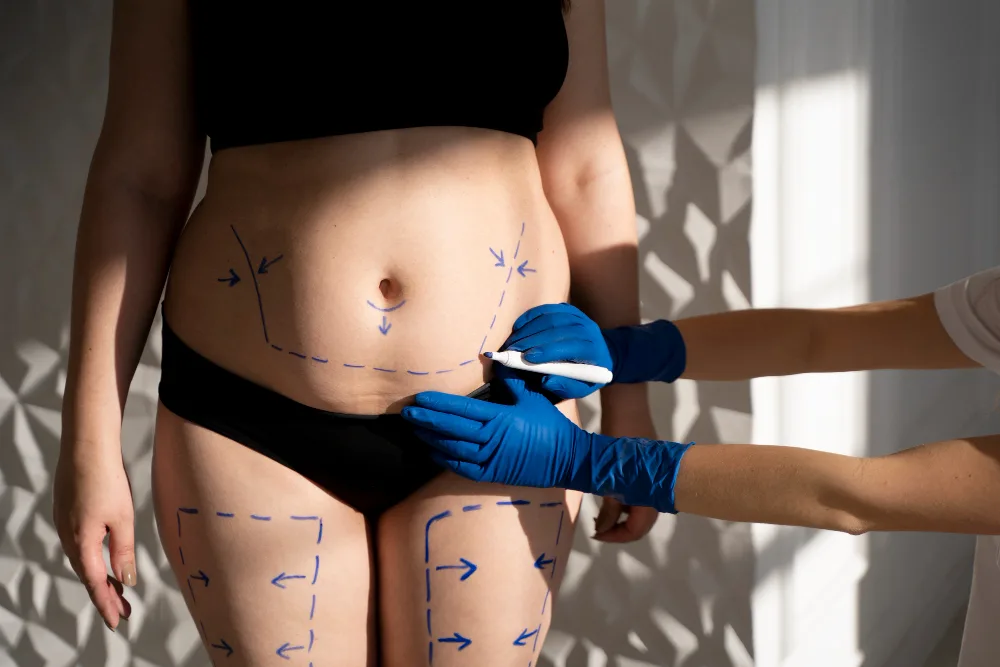
Deciding to undergo surgery is a significant choice, and when it comes to managing a chronic condition like lipedema, that decision carries even more weight. Lipedema liposuction is a specialized surgical procedure designed to remove the painful, abnormal fat associated with the condition, offering relief and improved mobility for many patients. Understanding what this process involves can help alleviate anxiety and set realistic expectations for your journey.
If you are considering lipedema liposuction, knowing what happens before, during, and after the surgery is essential for a smooth and successful experience. This guide will walk you through each phase of the process, providing a clear roadmap of what to expect from your initial consultation to your final recovery. Our goal is to empower you with the information you need to feel confident and prepared as you take this important step toward managing your lipedema.
Before Your Lipedema Liposuction
The journey begins long before you enter the operating room. The "before" phase is all about preparation, consultation, and ensuring you are in the best possible condition for surgery.
Your Initial Consultation
The first step is a comprehensive consultation with a surgeon who specializes in lipedema. During this meeting, you will discuss several key points:
- Your Medical History: Your surgeon will need a complete picture of your health, including any other medical conditions, previous surgeries, and medications you are taking.
- Your Lipedema Journey: Be prepared to talk about your symptoms, when they started, how they have progressed, and what conservative treatments (like diet, exercise, and compression) you have tried.
- Physical Examination: The surgeon will examine the affected areas to assess the stage of your lipedema and determine which areas require treatment.
- Surgical Plan: Based on your unique situation, the surgeon will outline a personalized surgical plan. This may involve multiple procedures spaced several months apart, as there is a limit to how much fat can be safely removed in a single surgery.
This is also your opportunity to ask questions. Don't hesitate to inquire about the surgeon's experience, the techniques they use, potential risks, and expected outcomes.
Pre-Operative Preparation
Once you and your surgeon have decided to move forward, you will receive a set of pre-operative instructions. Following these carefully is crucial for your safety and the success of the surgery. These instructions may include:
- Medical Clearances: You may need to get clearance from your primary care physician or other specialists to ensure you are healthy enough for surgery. This could involve blood tests, an EKG, or other diagnostic evaluations.
- Medication Adjustments: You will likely be asked to stop taking certain medications and supplements that can increase bleeding risk, such as aspirin, ibuprofen, and some herbal remedies, for a couple of weeks before your procedure.
- Lifestyle Changes: Your surgeon may recommend stopping smoking and avoiding alcohol in the weeks leading up to your surgery, as these can impair healing. Maintaining a healthy, balanced diet is also encouraged to support your body's recovery.
- Arranging for Support: You will need to arrange for someone to drive you home after the surgery and stay with you for at least the first 24-48 hours. This person can help with meals, medication reminders, and general support.
During the Lipedema Liposuction Procedure
On the day of the surgery, you will arrive at the surgical facility and be prepped for the procedure. The surgical team will ensure you are comfortable and answer any last-minute questions.
Anesthesia
Lipedema liposuction is typically performed under general anesthesia, meaning you will be completely asleep and pain-free during the operation. An anesthesiologist will be present throughout the procedure to monitor your vital signs and ensure your safety. In some cases, tumescent anesthesia with sedation may be used, where the treatment area is numbed and you are given medication to help you relax.
The Surgical Technique
The primary goal of lipedema liposuction is to remove the diseased fat while preserving the surrounding lymphatic vessels, blood vessels, and connective tissues. Surgeons use specialized, gentle techniques to accomplish this.
- Tumescent Fluid Injection: The surgeon begins by injecting a large volume of a saline solution mixed with a local anesthetic (like lidocaine) and a blood vessel constrictor (like epinephrine) into the targeted areas. This tumescent fluid helps to numb the area, minimize bleeding, and make the fat easier to remove.
- Fat Removal: Small incisions are made in the skin, and a thin tube called a cannula is inserted. The surgeon carefully moves the cannula back and forth to break up and suction out the abnormal fat. Water-assisted liposuction (WAL) and power-assisted liposuction (PAL) are common techniques used to gently dislodge the fat cells while minimizing trauma to the surrounding tissues.
- Closing the Incisions: After the desired amount of fat has been removed, the incisions may be closed with a few small stitches or left open to allow for drainage of the tumescent fluid. The treated areas are then wrapped in absorbent pads and compression garments.
The duration of the surgery can vary from two to five hours, depending on the number and size of the areas being treated.
After Your Lipedema Liposuction
The recovery phase is just as important as the surgery itself. Your dedication to post-operative care will have a significant impact on your final results.
The Immediate Post-Op Period
Immediately after surgery, you will be taken to a recovery room where you will be monitored as you wake up from anesthesia. You can expect some grogginess, discomfort, and significant fluid drainage from the incision sites. This drainage is normal and is a result of the tumescent fluid leaving your body.
You will be fitted with compression garments, which are essential for managing swelling, supporting the healing tissues, and shaping your new contours. You will need to wear these garments continuously for several weeks as directed by your surgeon.
The First Few Weeks
The first one to two weeks are the most critical for recovery. During this time, you can expect:
- Pain and Discomfort: You will experience some pain, which can be managed with prescribed pain medication.
- Swelling and Bruising: Significant swelling and bruising are normal and will gradually subside over several weeks to months.
- Limited Mobility: You will be encouraged to walk around shortly after surgery to promote circulation, but strenuous activities should be avoided. Most patients can return to a desk job and light daily activities within one to two weeks.
- Post-Op Appointments: You will have follow-up appointments with your surgeon to monitor your healing, remove any stitches, and address any concerns.
Long-Term Recovery and Results
Full recovery from lipedema liposuction takes time. While you will see an immediate reduction in volume, the final results will become more apparent as the swelling completely resolves, which can take six months to a year.
Manual lymphatic drainage (MLD) massage is often recommended during the recovery period to help reduce swelling and fibrosis (scar tissue). Continuing to wear compression garments and following a healthy lifestyle will help maintain your results.
Patients who undergo lipedema liposuction often report life-changing benefits, including:
- Reduction in pain and tenderness
- Improved mobility and ability to exercise
- Decreased swelling in the limbs
- A significant boost in self-confidence and quality of life
Take the Next Step with Confidence
Lipedema liposuction is a complex procedure, but for many, it offers a path to a life with less pain and greater freedom. By understanding what to expect at every stage, you can approach your surgical journey with confidence and a positive mindset.
If you believe lipedema liposuction might be the right solution for you, the most important step is to consult with an expert. At Byrd Lipedema Surgery Center, our team is dedicated to providing compassionate, specialized care for patients with lipedema. Contact us today to schedule your consultation and learn how we can help you on your path to a healthier, more comfortable life.