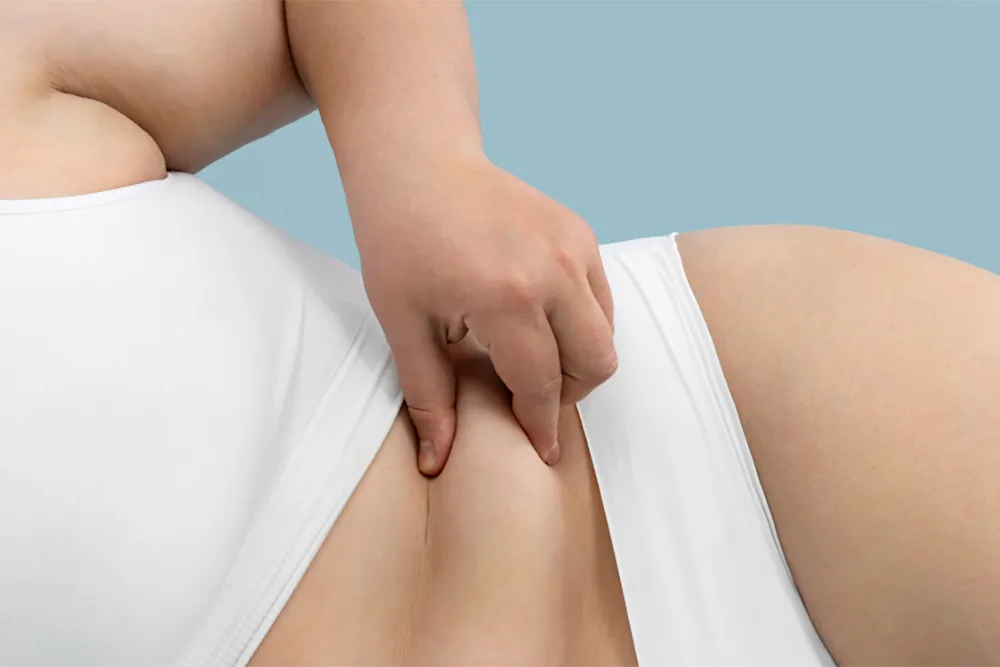
Many people assume all liposuction procedures are the same, but lipedema liposuction represents a specialized medical treatment that goes far beyond cosmetic enhancement. While traditional liposuction focuses on body contouring and fat reduction for aesthetic purposes, lipedema liposuction addresses a chronic medical condition that affects millions of women worldwide.
Understanding the differences between these two procedures is crucial for anyone dealing with lipedema symptoms or considering their treatment options. This distinction impacts everything from the surgical approach and recovery process to insurance coverage and long-term outcomes.
What Is Lipedema?
Lipedema is a chronic disorder characterized by the abnormal accumulation of fat cells in specific areas of the body, primarily the legs, thighs, and sometimes arms. Unlike regular weight gain, lipedema creates a disproportionate distribution of fat that doesn't respond to diet or exercise.
Women with lipedema often experience pain, tenderness, and mobility issues as the condition progresses. The affected areas may feel heavy and uncomfortable, with skin that bruises easily. Many patients describe a feeling of fullness or pressure in their legs that worsens throughout the day.
This condition affects approximately 11% of women, though many cases go undiagnosed or are misidentified as obesity or lymphedema. The exact cause remains unclear, but hormonal factors and genetics appear to play significant roles in its development.
Traditional Cosmetic Liposuction vs. Lipedema Liposuction
Purpose and Goals
Cosmetic liposuction aims to remove unwanted fat deposits to improve body contour and appearance. Patients typically seek this procedure to enhance their silhouette or address stubborn fat that hasn't responded to lifestyle changes.
Lipedema liposuction, however, serves as a medical treatment designed to reduce pain, improve mobility, and prevent disease progression. The primary goal is therapeutic rather than purely aesthetic, though improved appearance often follows as a welcome benefit.
Surgical Technique
Standard liposuction uses larger cannulas and more aggressive suction techniques to remove fat quickly and efficiently. The focus is on creating smooth, aesthetically pleasing contours with minimal regard for preserving lymphatic structures.
Lipedema liposuction requires specialized techniques that protect the delicate lymphatic system. Surgeons use smaller cannulas, gentler suction pressures, and specific approaches like tumescent or water-assisted liposuction. These methods help preserve lymphatic vessels while effectively removing the diseased fat tissue.
Amount of Fat Removed
Cosmetic procedures typically remove smaller volumes of fat, usually between 2-5 liters, focusing on specific problem areas. The emphasis is on proportional reduction and body sculpting.
Lipedema liposuction often involves removing much larger volumes of fat—sometimes 10-15 liters or more—across multiple body regions. The extensive nature of fat removal reflects the widespread distribution of lipedema tissue and the therapeutic goals of the procedure.
Medical Necessity vs. Cosmetic Choice
Insurance coverage represents one of the most significant practical differences between these procedures. Cosmetic liposuction is considered elective and rarely covered by insurance plans, leaving patients responsible for the full cost.
Lipedema liposuction may qualify for insurance coverage when properly documented as medically necessary treatment. Patients must typically demonstrate failed conservative treatments, documented pain and mobility issues, and other criteria that establish medical necessity rather than cosmetic preference.
The approval process often requires extensive documentation, including medical histories, physical therapy records, and detailed physician evaluations. Working with experienced lipedema specialists familiar with insurance requirements can significantly improve approval chances.
Recovery and Expected Outcomes
Healing Process
Recovery from cosmetic liposuction typically involves 1-2 weeks of downtime, with most patients returning to normal activities relatively quickly. Swelling and bruising generally resolve within a few weeks.
Lipedema liposuction recovery tends to be more extensive due to the larger volumes of fat removed and the widespread nature of the treatment. Patients may require several weeks of recovery time and must follow specific protocols to support lymphatic healing and prevent complications.
Long-term Results
Cosmetic liposuction results are generally stable, provided patients maintain their weight through diet and exercise. The removed fat cells don't regenerate, so results can be permanent with proper lifestyle maintenance.
Lipedema liposuction offers therapeutic benefits that extend beyond appearance. Patients typically experience significant pain reduction, improved mobility, and better quality of life. While the condition may progress over time, proper surgical treatment can slow this progression and provide lasting relief.
Choosing the Right Surgeon
Not all plastic surgeons have experience treating lipedema, making surgeon selection crucial for optimal outcomes. Look for specialists who:
- Have specific training and experience in lipedema treatment
- Use appropriate techniques for preserving lymphatic function
- Understand the medical complexities of the condition
- Can assist with insurance documentation and approval processes
- Offer comprehensive care that includes pre- and post-operative support
Research potential surgeons thoroughly, read patient reviews, and schedule consultations to discuss your specific needs and treatment goals.
Finding the Right Treatment Path
Lipedema liposuction represents a life-changing treatment option for women struggling with this challenging condition. Unlike cosmetic procedures, it addresses real medical symptoms and can dramatically improve quality of life when performed by experienced specialists.
The decision to pursue lipedema liposuction requires careful consideration of your symptoms, treatment goals, and individual circumstances. Working with knowledgeable medical professionals ensures you receive appropriate care tailored to your specific needs.
If you're considering lipedema liposuction, contact Byrd Lipedema Surgery Center today to schedule a consultation. Their specialized team can evaluate your condition, discuss treatment options, and help you take the first step toward improved health and wellbeing.