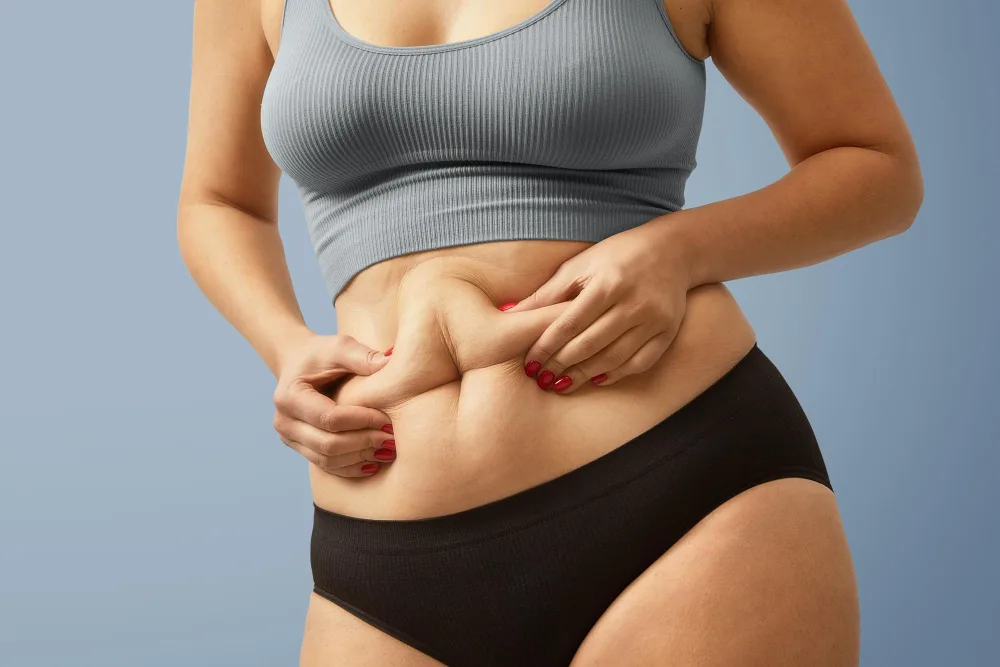
Lipedema affects millions of women worldwide, yet many struggle to understand how this condition differs from typical weight gain. The fat distribution in lipedema follows distinct patterns that set it apart from normal adipose tissue, creating unique challenges for those who experience it.
Recognizing these differences is crucial for proper diagnosis and treatment. This post will explore the fundamental distinctions between lipedema fat and normal fat, helping you understand the symptoms, causes, and treatment options available for this often-misunderstood condition.
What is Lipedema?
Lipedema is a chronic disorder characterized by the abnormal accumulation of fat cells, primarily in the legs, arms, and sometimes the torso. Unlike regular weight gain, lipedema creates a distinctive pattern of fat distribution that remains resistant to diet and exercise.
This condition predominantly affects women, typically beginning during hormonal changes such as puberty, pregnancy, or menopause. The fat deposits in lipedema are not simply excess calories stored as energy—they represent a fundamental alteration in how the body processes and stores adipose tissue.
Key Characteristics of Lipedema
The condition presents several hallmark features that distinguish it from normal fat distribution:
- Symmetrical fat accumulation on both sides of the body
- Disproportionate size difference between upper and lower body
- Feet and hands typically remain unaffected
- Tenderness and pain in affected areas
- Easy bruising and tissue sensitivity
Progressive worsening over time without treatment
How Lipedema Fat Differs from Normal Fat
Structural Differences
Normal fat cells, or adipocytes, function as energy storage units that expand and contract based on caloric intake and expenditure. These cells respond predictably to diet and exercise modifications, shrinking when energy demands exceed intake.
Lipedema fat behaves differently at the cellular level. The fat cells become enlarged and develop structural abnormalities that prevent them from responding normally to metabolic signals. This altered structure creates the characteristic firm, nodular texture often described by patients.
Distribution Patterns
Normal fat distribution varies among individuals based on genetics, hormones, and lifestyle factors. However, it typically follows predictable patterns and responds to changes in diet and physical activity.
Lipedema fat creates distinct distribution patterns:
- Stage 1: Smooth skin surface with enlarged fat cells beneath
- Stage 2: Uneven skin texture with visible nodules and indentations
- Stage 3: Large tissue masses and skin deformities
Response to Diet and Exercise
One of the most frustrating aspects of lipedema is how the affected fat responds to traditional weight loss methods. While normal fat cells shrink with caloric restriction and increased physical activity, lipedema fat remains largely unchanged.
Many patients report that despite significant weight loss in their upper body and torso, their legs and arms maintain the same disproportionate size. This selective resistance to diet and exercise often leads to misdiagnosis and feelings of failure among patients.
Physical Symptoms and Sensations
Pain and Tenderness
Normal fat tissue is generally painless to touch and doesn't cause discomfort during daily activities. Lipedema fat, however, is characteristically tender and painful. Patients often describe:
- Aching sensations in affected areas
- Increased pain with prolonged standing or walking
- Discomfort when pressure is applied to the tissue
- Feeling of heaviness in the legs or arms
Skin Changes
The skin overlying lipedema fat undergoes specific changes that differ from normal skin elasticity. As the condition progresses, the skin may become:
- Thicker and less elastic
- Prone to easy bruising
- Sensitive to temperature changes
- Marked by visible nodules or irregularities
Mobility and Function
Normal fat distribution rarely impacts mobility significantly. Lipedema fat, particularly in advanced stages, can substantially affect movement and daily activities. The altered tissue structure and increased volume can:
- Restrict joint mobility
- Cause balance difficulties
- Lead to compensatory movement patterns
- Result in secondary joint problems
Hormonal Influences
Estrogen's Role
Estrogen plays a significant role in lipedema development and progression. The condition often begins or worsens during periods of hormonal change, suggesting a strong connection between female hormones and the disorder.
Normal fat tissue also responds to hormonal fluctuations, but the relationship is more predictable and manageable. Lipedema fat appears to have an exaggerated sensitivity to estrogen, leading to accelerated progression during certain life stages.
Inflammation and Immune Response
Research indicates that lipedema fat exhibits chronic inflammatory characteristics not typically seen in normal adipose tissue. This inflammation may contribute to the pain, tenderness, and progressive nature of the condition.
The immune system's response to lipedema fat also differs from its interaction with normal fat cells, potentially explaining why traditional treatments often prove ineffective.
Diagnosis and Medical Evaluation
Clinical Assessment
Proper diagnosis requires evaluation by healthcare providers familiar with lipedema. The assessment process typically includes:
- Physical examination focusing on fat distribution patterns
- Medical history review, particularly hormonal events
- Evaluation of pain levels and tissue sensitivity
- Assessment of mobility and functional limitations
Distinguishing from Other Conditions
Lipedema is often confused with lymphedema, obesity, or other conditions. Key distinguishing factors include:
- Lymphedema: Typically affects hands and feet, involves fluid retention
- Obesity: Responds to diet and exercise, lacks characteristic pain
- Venous insufficiency: Involves circulation problems, different symptoms
Imaging and Testing
While clinical examination remains the primary diagnostic tool, imaging studies may help confirm the diagnosis and rule out other conditions. These might include:
- Ultrasound to evaluate tissue structure
- MRI for detailed tissue analysis
- Lymphatic imaging to assess system function
Treatment Approaches
Conservative Management
Initial treatment often focuses on symptom management and slowing progression:
- Compression therapy: Specialized garments to support affected tissues
- Manual lymphatic drainage: Gentle massage techniques to improve circulation
- Exercise programs: Low-impact activities to maintain mobility
- Nutritional counseling: Anti-inflammatory diet approaches
Surgical Interventions
When conservative treatments prove insufficient, surgical options may be considered:
- Liposuction: Specialized techniques designed for lipedema fat removal
- Tumescent technique: Minimally invasive approach with reduced complications
- Water-assisted liposuction: Gentler removal method preserving lymphatic vessels
Comprehensive Care
Effective lipedema treatment requires a multidisciplinary approach involving:
- Specialized physicians familiar with the condition
- Physical therapists trained in lymphatic techniques
- Nutritionists understanding metabolic aspects
- Mental health support for emotional challenges
Living with Lipedema
Daily Management Strategies
Patients can implement several strategies to manage symptoms and improve quality of life:
- Wearing appropriate compression garments
- Maintaining regular, gentle exercise routines
- Following anti-inflammatory dietary principles
- Practicing stress management techniques
- Building support networks with other patients
Long-term Outlook
While lipedema is a chronic condition, proper treatment can significantly improve symptoms and quality of life. Early intervention often leads to better outcomes, emphasizing the importance of accurate diagnosis and appropriate care.
Finding Expert Care for Your Lipedema Journey
Understanding the differences between lipedema fat and normal fat represents the first step toward effective treatment. Recognition of these distinctions enables patients to seek appropriate care and avoid the frustration of ineffective treatments designed for typical weight concerns.
The complex nature of lipedema requires specialized knowledge and experience for optimal management. Working with healthcare providers who understand these unique characteristics ensures that treatment approaches address the underlying condition rather than simply attempting traditional weight loss methods.
If you're looking for a lipedema treatment center, contact Byrd Lipedema Treatment Center today to schedule a consultation. Our specialized team understands the unique challenges of lipedema and can develop a comprehensive treatment plan tailored to your specific needs.