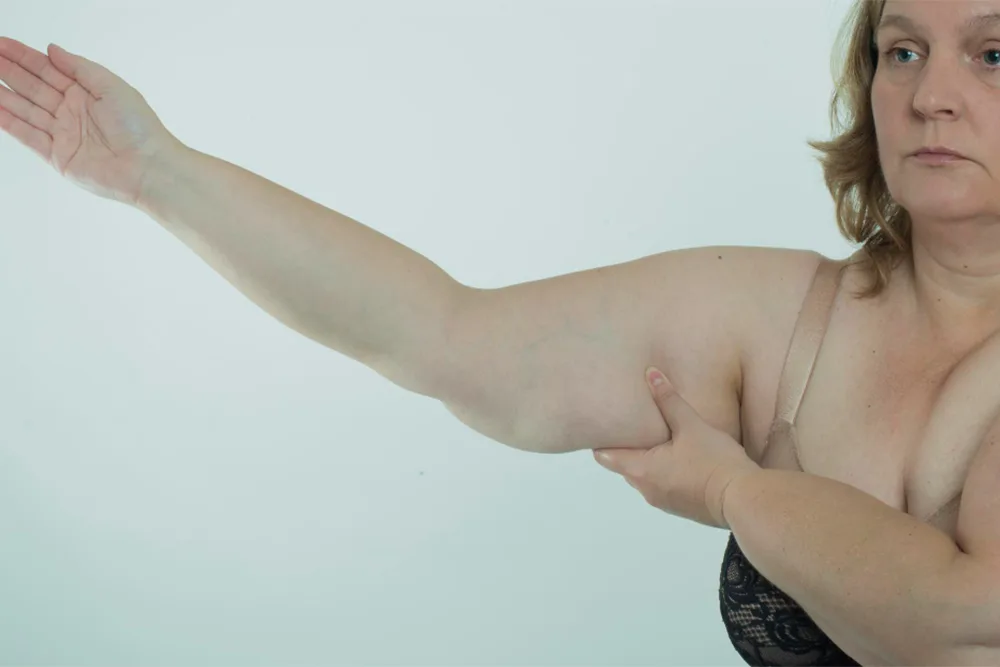
Lipedema affects millions of women worldwide, yet many struggle to get an accurate diagnosis. While this condition commonly develops in the legs, lipedema can also manifest in the arms, creating unique challenges that often go unrecognized by both patients and healthcare providers.
Understanding the specific symptoms of lipedema in the arms is crucial for early detection and proper treatment. Unlike typical weight gain or lymphedema, arm lipedema presents distinct characteristics that require specialized medical attention. This comprehensive guide will help you identify the key symptoms and understand when to seek professional care.
What Is Lipedema in the Arms?
Lipedema is a chronic disorder characterized by the abnormal accumulation of fat cells, primarily affecting women. When lipedema occurs in the arms, it typically involves both arms symmetrically, creating a disproportionate appearance compared to the hands and upper torso.
This condition differs significantly from general weight gain or other medical conditions. The fat distribution in lipedema arms has a distinctive pattern that experienced medical professionals can identify through careful examination.
Primary Symptoms of Lipedema Arms
Symmetrical Fat Distribution
One of the most telling signs of arm lipedema is bilateral symmetry. Both arms develop similar fat accumulation patterns, often extending from the shoulders down to the wrists while sparing the hands. This creates a characteristic "cuffing" effect where the arms appear disproportionately larger than the hands.
The fat distribution typically follows a column-like pattern, giving the arms a cylindrical appearance rather than the natural tapering shape of healthy arms.
Pain and Tenderness
Unlike normal fatty tissue, lipedema fat is often painful to the touch. Many patients report:
- Aching or burning sensations in the arms
- Increased sensitivity to pressure
- Pain that worsens with activity or at the end of the day
- Tenderness when wearing tight clothing or jewelry
This pain distinguishes lipedema from simple weight gain, where fat tissue typically remains pain-free.
Easy Bruising
Arms affected by lipedema bruise much more easily than normal tissue. Patients often notice:
- Bruises appearing with minimal trauma
- Darker, more prominent bruising patterns
- Longer healing times for bruises
- Unexplained bruising that seems to appear spontaneously
Texture Changes
The skin and underlying tissue in lipedema arms often feel different from normal fat. Common texture changes include:
- A nodular or lumpy feeling beneath the skin
- Skin that feels cooler to the touch
- Reduced skin elasticity
A "mattress-like" texture when pressed
Secondary Symptoms and Complications
Mobility Limitations
As lipedema progresses, the increased size and weight of the arms can impact daily activities. Patients may experience:
- Difficulty reaching overhead
- Challenges with fine motor tasks
- Fatigue from carrying the extra weight
- Reduced range of motion in the shoulders and elbows
Psychological Impact
The visible changes associated with lipedema arms often create emotional challenges:
- Self-consciousness about appearance
- Difficulty finding properly fitting clothing
- Social withdrawal or avoidance
- Impact on professional activities
Progressive Worsening
Lipedema is a progressive condition that typically worsens over time without proper treatment. Symptoms may intensify during:
- Hormonal changes (puberty, pregnancy, menopause)
- Periods of stress
- Weight fluctuations
- Certain medications
When Lipedema Arms Require Medical Attention
Early Intervention Benefits
Seeking medical care early in the progression of lipedema can significantly improve outcomes. Early intervention may help:
- Slow the progression of the condition
- Manage pain and discomfort
- Prevent secondary complications
- Improve quality of life
Warning Signs for Immediate Care
Certain symptoms require prompt medical evaluation:
- Sudden increase in arm size or pain
- Signs of infection (redness, warmth, fever)
- Severe limitation of arm movement
- Skin changes such as hardening or discoloration
Diagnostic Considerations
Professional Evaluation
Diagnosing lipedema arms requires evaluation by healthcare providers familiar with the condition. The diagnostic process typically includes:
- Detailed medical history
- Physical examination of both arms
- Assessment of pain patterns and sensitivity
- Evaluation of family history
- Review of hormonal factors
Distinguishing from Other Conditions
Healthcare providers must differentiate lipedema from other conditions that can cause arm swelling:
- Lymphedema (typically affects one arm more than the other)
- General obesity (usually involves hands and other body areas)
- Venous insufficiency (often includes other circulation symptoms)
- Medication side effects (history of specific medications)
Treatment Options and Management
Conservative Management
Early-stage lipedema arms often respond well to conservative treatments:
- Manual lymphatic drainage
- Compression garments designed for lipedema
- Gentle exercise programs
- Anti-inflammatory approaches
- Pain management strategies
Advanced Treatment Options
For more severe cases, specialized treatments may be necessary:
- Liposuction techniques designed for lipedema
- Combined treatment approaches
- Long-term management plans
Multidisciplinary care teams
Finding the Right Medical Care
Importance of Specialized Centers
Treatment success often depends on finding healthcare providers who understand lipedema. Specialized centers offer:
- Accurate diagnosis and staging
- Comprehensive treatment plans
- Experience with lipedema-specific procedures
- Ongoing support and follow-up care
What to Look for in a Treatment Center
When choosing a medical facility, consider:
- Experience treating lipedema specifically
- Board-certified specialists
- Comprehensive treatment options
- Patient testimonials and outcomes
- Insurance and payment options
Moving Forward with Confidence
Recognizing the symptoms of lipedema arms is the first step toward getting proper treatment. While this condition can feel overwhelming, understanding your symptoms empowers you to seek appropriate medical care and explore treatment options that can improve your quality of life.
Remember that lipedema is a legitimate medical condition requiring specialized care. Don't let anyone dismiss your symptoms or suggest that simple diet and exercise will resolve the issue. With proper diagnosis and treatment, many patients experience significant improvement in both symptoms and appearance.
If you're looking for a trusted lipectomy surgery center, contact Byrd Lipedema Surgery Center today to schedule an appointment. Their experienced team specializes in diagnosing and treating lipedema, offering comprehensive care designed to help you achieve the best possible outcomes.