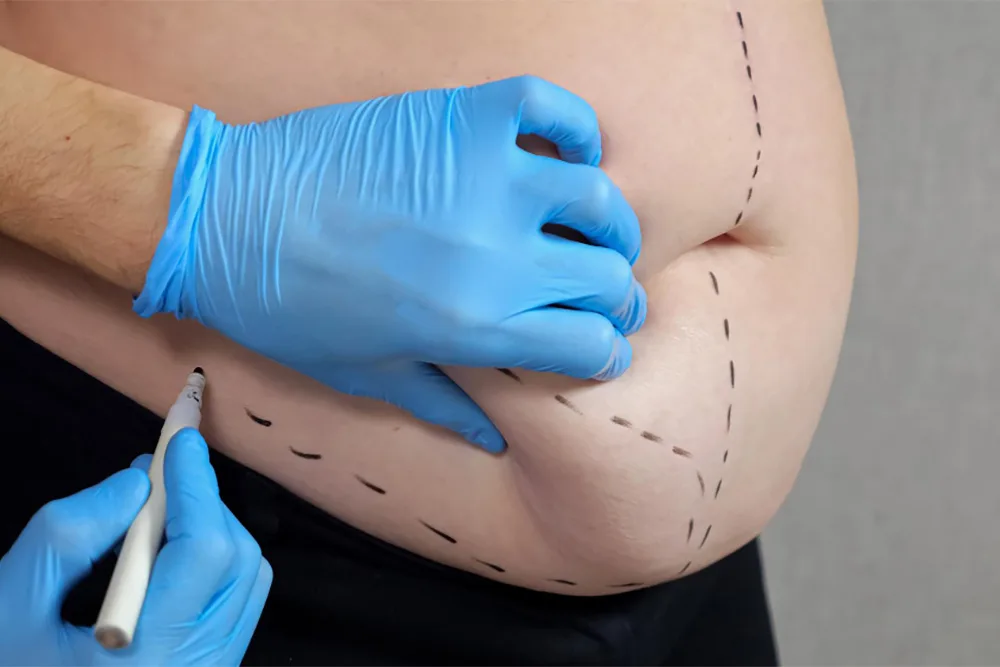
Making the decision to undergo a body contouring procedure is a significant step, often involving careful consideration of your goals and the available treatment options. Two common procedures that often come up are lipectomy and liposuction. While both involve fat removal, they are fundamentally different treatments designed for different purposes and patients.
Understanding the distinctions between these two procedures is crucial for making an informed decision that aligns with your health needs and aesthetic goals. Liposuction is primarily a cosmetic procedure aimed at removing stubborn fat deposits, while lipectomy is often a medical necessity, particularly for individuals suffering from conditions like lipedema.
This guide will break down the key differences between lipectomy and liposuction, covering the purpose of each procedure, who makes a good candidate, the surgical techniques involved, and what to expect during recovery. By the end, you will have a clearer understanding of which path might be right for you.
What Is Liposuction?
Liposuction is one of the most well-known cosmetic surgery procedures. Its main purpose is to remove localized, excess fat deposits that are resistant to diet and exercise. It is a body contouring procedure, not a weight-loss solution. Liposuction is ideal for sculpting and refining specific areas of the body to create a more defined and proportionate silhouette.
Common areas treated with liposuction include:
- Abdomen and waist
- Hips and buttocks
- Thighs and inner knees
- Upper arms
- Back and chest area
- Chin and neck
The Ideal Candidate for Liposuction
A good candidate for liposuction is typically someone who is at or near their ideal body weight but struggles with stubborn pockets of fat. Key characteristics of an ideal candidate include:
- Stable Weight: Candidates should have a stable body weight and not view liposuction as a method for significant weight loss.
- Good Skin Elasticity: The skin needs to be able to retract and conform to the new, reduced body contour after fat is removed. Poor skin elasticity can lead to loose or sagging skin post-procedure.
- Good Overall Health: Candidates should be in good general health without any serious medical conditions that could complicate surgery or recovery.
- Realistic Expectations: It's important for patients to have a clear and realistic understanding of what liposuction can and cannot achieve.
Liposuction is generally considered a cosmetic choice for individuals looking to enhance their appearance rather than address a medical condition.
What Is a Lipectomy?
A lipectomy, also known as excisional lipectomy, is a surgical procedure that involves the removal of large areas of excess skin and fat. Unlike liposuction, a lipectomy is often performed for medical reasons, particularly to alleviate symptoms associated with large amounts of hanging skin and fat tissue, which can cause pain, mobility issues, and hygiene problems.
One of the primary medical reasons for a lipectomy is to treat lipedema, a chronic condition characterized by an abnormal and painful accumulation of fat cells, typically in the legs and arms. For patients with lipedema, a lipectomy is not just about aesthetics; it's about improving their quality of life by reducing pain and improving function.
The Ideal Candidate for a Lipectomy
Candidates for a lipectomy are often individuals who have experienced massive weight loss (e.g., after bariatric surgery) or suffer from conditions like lipedema. The key criteria for a lipectomy candidate include:
- Significant Excess Skin and Fat: The procedure is designed for those with large, hanging folds of skin and fat that cause physical discomfort or functional impairment.
- Medical Necessity: For many, a lipectomy is medically necessary to relieve pain, improve mobility, or prevent skin infections and rashes in the skin folds.
- Lipedema Patients: Individuals with advanced stages of lipedema often require a specialized type of lipectomy to remove the diseased adipose tissue. Finding a specialized lipectomy surgery center is crucial for these patients.
- Stable Health: As with any major surgery, candidates must be in stable health to safely undergo the procedure and recover successfully.
Key Differences: Lipectomy vs. Liposuction
To make the comparison clearer, let's break down the main differences between the two procedures.
Purpose of the Procedure
- Liposuction: Primarily cosmetic. It aims to sculpt and contour the body by removing small, localized fat deposits.
- Lipectomy: Primarily medical, though it can have cosmetic benefits. It aims to remove large volumes of fat and excess skin to alleviate physical symptoms and improve quality of life.
Surgical Technique
- Liposuction: A minimally invasive procedure. A surgeon makes small incisions and inserts a thin tube called a cannula to suction out fat. Various techniques exist, such as tumescent liposuction, ultrasound-assisted (UAL), and laser-assisted liposuction (LAL).
- Lipectomy: A more invasive procedure. It involves making a large incision to surgically cut away (excise) a significant amount of skin and underlying fatty tissue. The remaining skin is then repositioned and sutured.
Tissue Removed
- Liposuction: Removes only fat. It does not address excess or sagging skin.
- Lipectomy: Removes both excess fat and skin. This is why it's a common procedure after massive weight loss, where loose skin is a major concern.
Recovery Time
- Liposuction: Recovery is relatively quick. Most patients can return to work within a few days to a week, with swelling and bruising subsiding over several weeks.
- Lipectomy: Recovery is more extensive due to the invasive nature of the surgery. It often requires a longer downtime of several weeks, with more significant swelling, bruising, and activity restrictions.
Scarring
- Liposuction: Scars are minimal, as they are only from the small incisions made for the cannula.
- Lipectomy: Scars are significant and long, as a large incision is required to remove the excess tissue. However, a skilled surgeon will place the incision strategically to minimize its visibility.
Making the Right Choice for You
Choosing between a lipectomy and liposuction depends entirely on your individual circumstances, goals, and medical needs.
- Choose Liposuction if: You are close to your ideal weight, have good skin elasticity, and want to target stubborn fat pockets for cosmetic reasons.
- Choose Lipectomy if: You have large amounts of excess skin and fat causing medical issues, have experienced significant weight loss, or suffer from a condition like lipedema.
For patients with lipedema, finding a surgeon who specializes in the condition is paramount. A standard cosmetic surgeon may not have the specific training required to perform a lipectomy that effectively removes the diseased fat while preserving the delicate lymphatic system. A specialized lipectomy surgery center will have the expertise and technology to provide the best possible outcome.
Ready to Take the Next Step?
Understanding the difference between a lipectomy and liposuction is the first step toward achieving your goals. Whether you are looking for cosmetic enhancement or medical relief, a consultation with a board-certified surgeon is the best way to determine the right procedure for you.
If you are suffering from lipedema or have significant excess skin and fat that affects your daily life, a lipectomy may be the solution you need. When searching for a provider, ensure you choose a reputable and experienced lipectomy surgery center that understands your unique needs.
If you're ready to explore your options, contact Byrd Lipedema Surgery Center today to schedule an appointment. Our expert team is dedicated to providing compassionate care and life-changing results for patients seeking relief and renewed confidence.