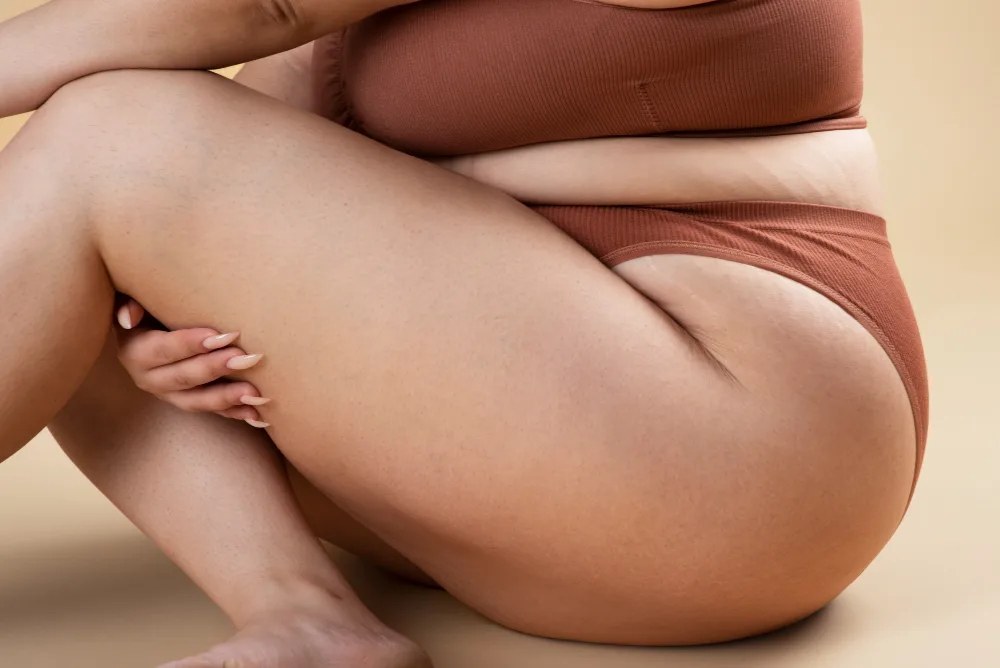
Deciding to undergo lipedema surgery is a significant step toward reclaiming your health and mobility. This procedure can dramatically reduce pain, improve your quality of life, and restore a more proportionate body shape. But what happens after the surgery is over? The journey doesn't end when you leave the operating room; in many ways, it's just beginning. Understanding the long-term results and the importance of ongoing maintenance is crucial for a successful outcome.
This guide will walk you through what life looks like after lipedema surgery. We’ll explore the recovery process, the long-term results you can anticipate, and the essential steps you'll need to take to maintain your health and enjoy the full benefits of the procedure for years to come.
The Immediate Post-Surgery Period
The initial recovery phase after lipedema surgery is a critical time for healing. Your body has been through a significant procedure, and it needs time to recuperate. While every patient's experience is unique, there are some common elements you can expect during the first few weeks and months.
Managing Discomfort and Swelling
Immediately following your surgery, you will experience swelling, bruising, and some discomfort. This is a normal part of the healing process. Your surgeon will provide specific instructions on how to manage these symptoms, which typically include:
- Compression Garments: You will be required to wear custom-fitted compression garments 24/7 for several weeks. These are essential for managing swelling, supporting the treated areas, and helping your skin retract to its new contours.
- Pain Management: Your doctor will prescribe pain medication to help manage any discomfort in the initial days. Over-the-counter pain relievers may be sufficient as you continue to heal.
- Rest and Gentle Movement: Rest is vital, but so is light movement. Short, gentle walks are encouraged soon after surgery to promote circulation and prevent blood clots. Avoid strenuous activity until your surgeon gives you the green light.
Follow-Up Appointments
You will have several follow-up appointments with your surgical team. These visits allow them to monitor your healing progress, remove any sutures, and address any concerns you may have. It's important to attend all scheduled appointments to ensure your recovery is on track.
Long-Term Results of Lipedema Surgery
While the initial recovery can be challenging, the long-term results of lipedema surgery are often life-changing. Patients report significant improvements in both their physical and emotional well-being.
Physical Benefits
The most noticeable results are physical. Lipedema surgery permanently removes the diseased fat cells, leading to a number of positive changes:
- Pain Reduction: One of the most significant benefits is the dramatic reduction or complete elimination of the pain associated with lipedema. The heavy, aching feeling in the affected limbs often disappears.
- Improved Mobility: By debulking the limbs, surgery can significantly improve your range of motion and make everyday activities like walking, climbing stairs, and exercising much easier.
- More Proportional Body Shape: The surgery restores a more balanced and proportionate body contour. This can lead to clothes fitting better and a renewed sense of confidence in your appearance.
- Slowing Disease Progression: Lipedema is a progressive disease. Surgery is the only treatment known to halt or significantly slow its progression, preventing further fat accumulation and worsening symptoms.
Emotional and Psychological Benefits
The impact of lipedema surgery extends beyond the physical. Many patients experience profound emotional and psychological benefits, including:
- Increased Self-Esteem: Living with a chronic condition that affects your appearance can take a toll on self-esteem. The positive physical changes from surgery often lead to a significant boost in confidence.
- Reduced Anxiety and Depression: The chronic pain and mobility issues of lipedema can contribute to anxiety and depression. Relieving these physical symptoms often leads to improved mental health.
- A Renewed Sense of Hope: For many, surgery offers a new lease on life. It provides a sense of control over their bodies and a hopeful outlook for a healthier, more active future.
How to Maintain Your Results After Surgery
Lipedema surgery is a powerful tool, but it's not a cure. To maintain your results and manage the condition long-term, a commitment to a healthy lifestyle is essential. The diseased fat cells that were removed are gone for good, but the remaining fat cells can still expand if the condition is not managed properly.
The Role of Diet and Nutrition
While diet cannot cure lipedema, it plays a crucial role in managing inflammation and preventing weight gain. Many patients find success with an anti-inflammatory diet. This typically involves:
- Avoiding Processed Foods: Limit sugar, refined carbohydrates, and processed foods that can trigger inflammation.
- Focusing on Whole Foods: Emphasize a diet rich in fruits, vegetables, lean proteins, and healthy fats.
- Staying Hydrated: Drinking plenty of water is essential for overall health and can help with lymphatic function.
Working with a nutritionist who is knowledgeable about lipedema can be incredibly helpful in creating a personalized eating plan that works for you.
Consistent Exercise
Regular physical activity is vital for maintaining your results. Exercise helps to:
- Promote Lymphatic Drainage: Movement, especially aquatic exercise, helps the lymphatic system function more efficiently.
- Build Muscle Mass: Strong muscles support your joints and boost your metabolism.
- Maintain a Healthy Weight: Regular exercise helps to burn calories and prevent the expansion of remaining fat cells.
Focus on low-impact activities that you enjoy, such as swimming, cycling, yoga, or walking. The goal is to create a sustainable routine that you can stick with for the long term.
Continued Use of Compression
Even after the initial recovery period, many patients continue to benefit from wearing compression garments, especially during long periods of sitting or standing, during exercise, or while traveling. Compression helps to manage any residual swelling and supports your lymphatic system.
Manual Lymphatic Drainage (MLD)
Manual Lymphatic Drainage is a specialized type of gentle massage that encourages the natural drainage of the lymph. Regular MLD sessions with a certified therapist can be an important part of your long-term maintenance plan, helping to prevent fluid buildup and keep your lymphatic system healthy.
Your Path to a Healthier Future
Life after lipedema surgery is a journey of healing, adjustment, and empowerment. The procedure offers a remarkable opportunity to alleviate pain, improve mobility, and reclaim your quality of life. By committing to a consistent maintenance plan of healthy eating, regular exercise, and continued conservative therapies, you can protect your surgical investment and enjoy your results for years to come.
If you're considering lipedema surgery and want to learn more about how it can change your life, the next step is to speak with an expert. The team at Byrd Lipedema Surgery Center is dedicated to providing compassionate, comprehensive care. Contact us today to schedule your consultation and take the first step toward a brighter, healthier future.