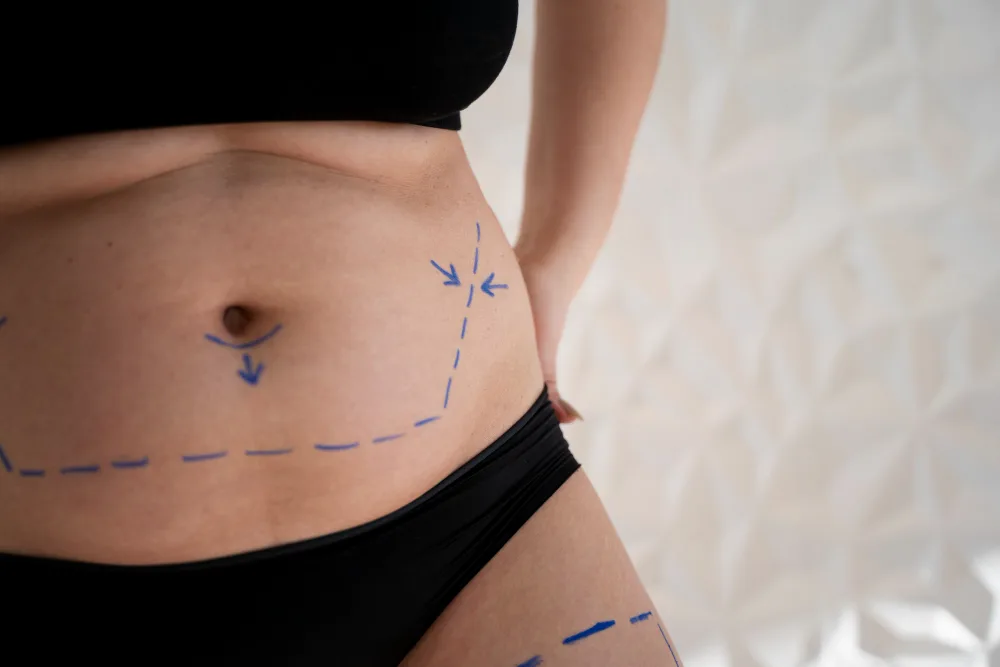
Lipedema is a chronic and often misunderstood condition characterized by an abnormal accumulation of fat cells, typically in the legs and arms. This buildup can cause pain, swelling, and a disproportionate appearance that doesn't respond to traditional diet and exercise. For many living with this condition, the physical discomfort and emotional distress can be overwhelming. While conservative treatments can help manage symptoms, many are now turning to liposuction as a more definitive solution.
This post will explore how specialized liposuction techniques can effectively treat lipedema. We will cover how the procedure works, what benefits it offers, who makes an ideal candidate, and what to expect during recovery. By the end, you will have a clearer understanding of whether lipedema liposuction is the right path for you.
Understanding Lipedema and Its Challenges
Lipedema is more than just stubborn body fat. It's a progressive medical disorder that primarily affects women, often starting or worsening during times of hormonal change like puberty, pregnancy, or menopause. It occurs in stages, beginning with soft, smooth skin that may appear disproportionately large and eventually progressing to large nodules of fat and significant swelling.
Unlike general obesity, lipedema fat is distinct. It feels different to the touch, can be painful, and bruises easily. The condition almost exclusively affects the limbs, often creating a "cuff" effect at the wrists and ankles where the swelling stops abruptly. This disproportion can make finding clothes that fit difficult and can severely impact self-esteem and quality of life.
Conventional weight loss methods are often ineffective against lipedema fat, leading to immense frustration. This is where surgical intervention becomes a vital consideration.
How Can Liposuction Help Treat Lipedema?
While standard liposuction is a cosmetic procedure for removing unwanted fat, liposuction for lipedema is a medically necessary procedure aimed at removing diseased tissue. The goal is not just to improve appearance but to alleviate pain, reduce swelling, and improve mobility.
Specialized, fat-sparing liposuction techniques are required to treat lipedema safely and effectively. These methods are designed to remove the abnormal fat cells while preserving the delicate network of lymphatics, blood vessels, and connective tissue. This is crucial for preventing further damage and promoting a healthy recovery.
Common techniques used include:
- Water-Assisted Liposuction (WAL): This method uses a gentle, fan-shaped spray of tumescent fluid to dislodge fat cells, making them easier to remove without the forceful action of a traditional cannula.
- Tumescent Liposuction: A large volume of diluted local anesthetic and epinephrine is injected into the fatty tissue. This causes the area to become firm and swollen ("tumescent"), allowing for the fat to be removed more smoothly and with less blood loss.
By removing the diseased fat tissue, liposuction can provide significant relief from the hallmark symptoms of lipedema.
The Benefits of Lipedema Liposuction
Patients who undergo liposuction for lipedema often experience life-changing results. The primary benefits extend far beyond aesthetics and address the core medical issues associated with the condition.
Pain Reduction
One of the most immediate and significant benefits is the reduction of pain and tenderness. By removing the excess fat deposits that put pressure on nerves and surrounding tissues, many patients report a dramatic decrease in daily discomfort.
Improved Mobility
The removal of bulk from the limbs can significantly improve a person's range of motion and overall mobility. Simple activities like walking, climbing stairs, or even just standing for extended periods can become much easier and less painful.
Decreased Swelling
While liposuction does not cure lymphedema (a common secondary condition), removing the lipedema fat can reduce the strain on the lymphatic system. This often leads to a noticeable reduction in fluid retention and swelling, further enhancing comfort and mobility.
Enhanced Quality of Life
The combination of reduced pain, better mobility, and a more proportionate body shape can have a profound positive impact on mental and emotional well-being. Many patients feel a renewed sense of confidence and freedom, allowing them to participate more fully in life.
Who Is a Good Candidate for This Procedure?
Deciding to undergo surgery is a significant decision. A good candidate for lipedema liposuction is typically someone who:
- Has a confirmed diagnosis of lipedema.
- Has tried conservative management strategies (like compression therapy and a healthy lifestyle) with limited success.
- Experiences significant pain, discomfort, or mobility issues due to the condition.
- Is in good overall health and does not have medical conditions that would make surgery risky.
- Has realistic expectations about the outcomes of the procedure.
It's also important that the patient maintains a stable weight. While the procedure removes fat cells permanently, significant weight gain after surgery can affect the long-term results. A thorough consultation with a surgeon specializing in lipedema is essential to determine if liposuction is the appropriate course of action.
What to Expect During Recovery
Recovery from lipedema liposuction is a gradual process that requires patience and adherence to post-operative instructions. Immediately following the procedure, patients will need to wear compression garments to help control swelling and support the new contours of their limbs.
Common experiences during recovery include:
- Swelling and Bruising: This is normal and will gradually subside over several weeks to months.
- Discomfort: Pain is typically manageable with prescribed medication.
- Lymphatic Drainage: Manual lymphatic drainage (MLD) massage is often recommended to help reduce swelling and promote healing.
- Activity Level: Light activity, like walking, is encouraged soon after surgery to promote circulation. However, strenuous activities should be avoided for several weeks.
Most patients can return to work and light daily activities within one to two weeks, depending on the extent of the surgery. The final results will become more apparent as the swelling resolves, which can take up to a year.
Take the Next Step Toward Relief
Lipedema liposuction offers a powerful and effective solution for those struggling with the pain and physical limitations of this condition. By removing the diseased fat tissue, this specialized surgical procedure can alleviate symptoms, improve mobility, and restore a better quality of life. While it is a major decision, for many, it is the step that finally brings lasting relief.
If you are considering lipedema liposuction and want to learn if it's the right choice for you, a consultation with an experienced surgeon is the best place to start.
Contact the Byrd Lipedema Surgery Center today to schedule your appointment and explore your options for a healthier, more comfortable future.