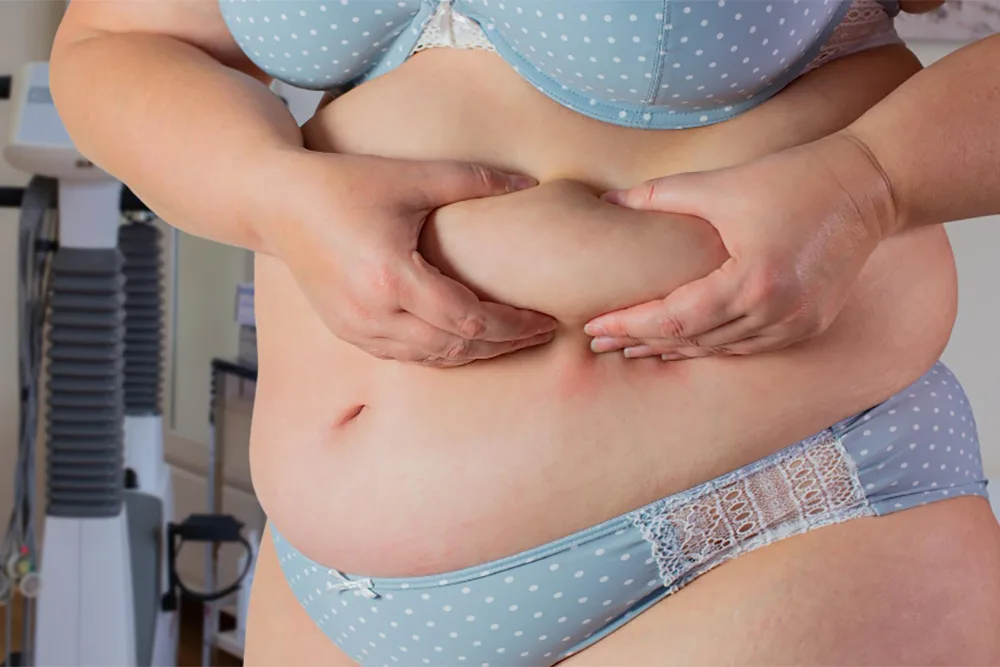
Living with lipedema means facing daily challenges that go far beyond appearance. This chronic condition affects millions of women worldwide, causing painful fat accumulation in the legs, arms, and sometimes torso that doesn't respond to diet or exercise. While conservative treatments can help manage symptoms, surgical intervention often provides the most significant relief and long-term benefits for those struggling with this progressive disorder.
Understanding when and how surgery can help lipedema patients makes all the difference in reclaiming quality of life. From reducing pain and improving mobility to preventing further progression, surgical options offer hope where other treatments fall short.
Understanding Lipedema and Its Impact
Lipedema is a chronic disorder characterized by the symmetric accumulation of fat tissue, typically in the legs and arms. Unlike regular weight gain, lipedema fat feels different—it's often tender, painful, and creates a distinctive pattern that spares the hands and feet.
The condition progresses through stages, starting with relatively smooth skin texture and advancing to more pronounced nodules and skin changes. As lipedema advances, patients often experience increased pain, reduced mobility, and significant impact on their daily activities.
Conservative treatments like compression therapy, manual lymphatic drainage, and specialized exercise programs can help manage symptoms. However, these approaches don't address the underlying fat accumulation that drives the condition's progression.
Why Surgery Becomes Necessary
For many lipedema patients, surgery represents the only effective way to remove the diseased fat tissue. Unlike typical fat, lipedema tissue doesn't respond to dietary changes or increased physical activity. This resistance to conventional weight loss methods stems from the unique characteristics of lipedema fat cells.
The diseased tissue continues to accumulate over time, leading to increased pain, mobility issues, and potential complications like lymphedema. Without intervention, the condition typically worsens, making everyday activities increasingly difficult.
Surgery offers several key advantages that conservative treatments cannot provide:
Permanent fat reduction: Surgical removal of lipedema tissue provides lasting results, as the diseased fat cells don't regenerate.
Pain relief: Many patients experience significant pain reduction following surgery, as the removal of inflamed tissue reduces pressure on surrounding structures.
Improved mobility: Reducing the bulk of lipedema tissue often leads to better range of motion and easier movement.
Prevention of progression: Surgery can halt or slow the condition's advancement, preventing further complications.
Surgical Options for Lipedema
Several surgical techniques prove effective for treating lipedema, with the choice depending on the patient's specific condition, stage, and overall health.
Liposuction Techniques
Water-assisted liposuction (WAL) has emerged as the gold standard for lipedema treatment. This technique uses a gentle water jet to dislodge fat cells while preserving lymphatic vessels and other important structures. The preservation of lymphatic function is crucial, as damage to these vessels can lead to secondary lymphedema.
Tumescent liposuction, another common approach, involves injecting a solution containing lidocaine and epinephrine into the treatment area. This technique helps minimize bleeding and provides excellent pain control during and after the procedure.
Power-assisted liposuction (PAL) uses mechanical motion to break up fat tissue, making removal easier while reducing trauma to surrounding tissues.
Lymphatic-Sparing Approaches
The most successful lipedema surgeries prioritize preservation of the lymphatic system. Techniques specifically designed to protect lymphatic vessels reduce the risk of post-surgical complications and maintain the body's natural drainage pathways.
Experienced surgeons use specialized cannulas and techniques to work around lymphatic structures, ensuring that the surgery provides maximum benefit without creating new problems.
Benefits of Surgical Treatment
Patients who undergo lipedema surgery typically experience multiple benefits that extend far beyond cosmetic improvements.
Pain Reduction and Comfort
One of the most significant benefits reported by post-surgical patients is dramatic pain reduction. The removal of inflamed, diseased tissue eliminates a major source of discomfort, allowing patients to engage in activities they may have avoided for years.
Enhanced Mobility and Function
Reducing the bulk and weight of accumulated lipedema tissue often leads to improved mobility. Patients frequently report being able to walk longer distances, climb stairs more easily, and participate in physical activities that were previously too difficult or painful.
Psychological Well-being
The physical improvements from surgery often translate into significant psychological benefits. Patients experience improved self-esteem, reduced anxiety about their appearance, and greater confidence in social situations.
Prevention of Complications
Surgery can prevent or delay the onset of complications associated with advanced lipedema, including secondary lymphedema, skin infections, and severe mobility limitations.
What to Expect from Surgery
Successful lipedema surgery requires careful planning and realistic expectations. The procedure is typically performed under general anesthesia and may take several hours, depending on the extent of treatment needed.
Recovery involves wearing compression garments, following specific post-operative care instructions, and gradually returning to normal activities. Most patients can return to work within one to two weeks, though full recovery may take several months.
Results become apparent as post-surgical swelling subsides, with final outcomes visible after three to six months. While surgery provides significant improvement, maintaining results requires ongoing attention to overall health and may include continued use of compression therapy.
Choosing the Right Treatment Center
Selecting a qualified lipectomy surgery center is crucial for achieving optimal results and minimizing risks. Look for facilities with specific experience treating lipedema, as this condition requires specialized knowledge and techniques.
Important factors to consider include:
- Surgeon certification and experience with lipedema cases
- Use of lymphatic-sparing techniques
- Comprehensive pre and post-operative care
- Patient testimonials and outcomes data
- Multidisciplinary approach including lymphatic drainage and compression therapy
The best centers provide thorough consultations, realistic expectations about outcomes, and comprehensive support throughout the treatment process.
Taking the Next Step Toward Relief
Surgery offers transformative benefits for lipedema patients who haven't found adequate relief through conservative treatments. The combination of pain reduction, improved mobility, and enhanced quality of life makes surgical intervention a valuable option for many individuals struggling with this challenging condition.
Success depends largely on choosing an experienced treatment team that understands the unique aspects of lipedema and employs the most advanced, lymphatic-sparing techniques available.
If you're looking for a trusted lipectomy surgery center, contact Byrd Lipedema Surgery Center today to schedule a consultation. Taking this step could be the beginning of reclaiming your comfort, mobility, and quality of life.