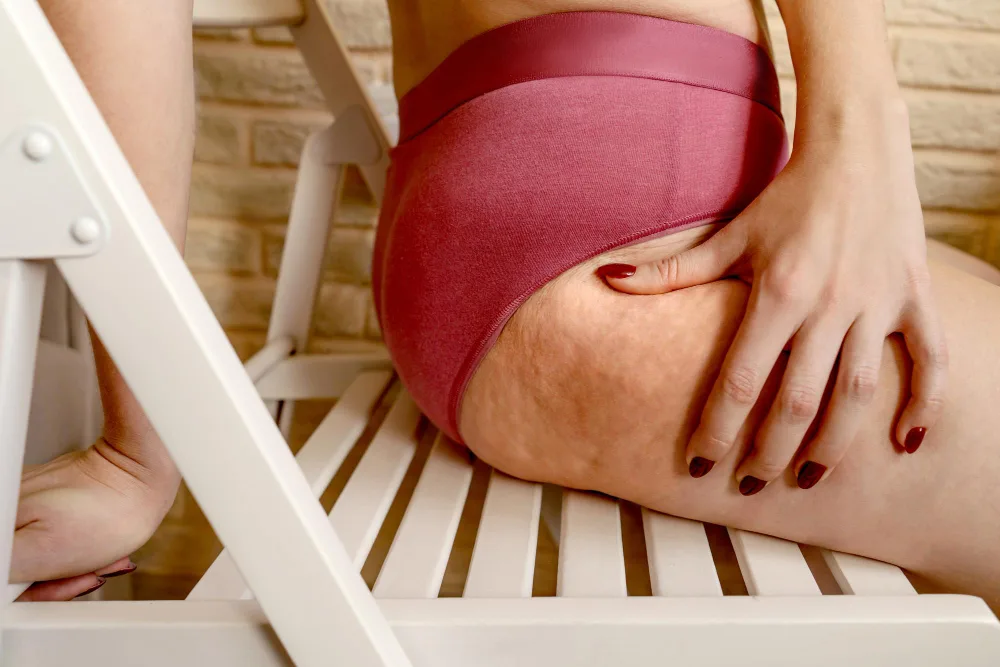
Have you noticed your legs are larger than the rest of your body, and no amount of diet or exercise seems to make a difference? Do you experience pain and tenderness in your limbs, even from a gentle touch? These could be more than just stubborn weight; they might be early indicators of lipedema.
Lipedema is a chronic and often misunderstood medical condition that primarily affects women. It involves an abnormal accumulation of fat cells, usually in the legs and buttocks, and sometimes in the arms. Unlike regular weight gain, lipedema fat is often painful and resistant to traditional weight loss methods. Many women live with this condition for years, mistakenly believing they are simply overweight or struggling with obesity.
Recognizing the early symptoms is the first step toward getting an accurate diagnosis and effective management plan. Understanding these signs can empower you to seek help, find a community of support, and explore treatment options that can significantly improve your quality of life. This article will guide you through the key early signs of lipedema, helping you identify if your symptoms align with this condition and what steps you can take next.
What is Lipedema?
Lipedema is a fat distribution disorder characterized by a symmetrical buildup of fat in the lower body, and sometimes the arms, while the hands and feet remain unaffected. This condition is almost exclusive to women and often begins or worsens during times of hormonal change, such as puberty, pregnancy, or menopause.
It's crucial to distinguish lipedema from general obesity or lymphedema.
- Lipedema vs. Obesity: While both involve excess fat, lipedema fat is different. It's often described as "nodular" or "lumpy" under the skin and can be quite painful. A key sign is the disproportionate fat accumulation; a person might have a slim upper body but significantly larger legs and hips.
- Lipedema vs. Lymphedema: Lymphedema is a condition of the lymphatic system that causes fluid retention and swelling. While advanced lipedema can lead to a secondary condition called lipo-lymphedema, classic lymphedema often affects one limb asymmetrically and involves swelling in the hands and feet. In pure lipedema, the feet are typically spared.
Because lipedema is not widely understood, even in the medical community, it is frequently misdiagnosed. This lack of awareness can lead to feelings of frustration and isolation for those affected.
Key Early Signs of Lipedema
Identifying lipedema in its initial stages can make a significant difference in managing its progression. If you're concerned you might have this condition, look out for the following early signs.
1. Symmetrical Fat Accumulation
One of the most telling signs of lipedema is the bilateral, symmetrical accumulation of fat. This means both legs or both arms are affected equally. The fat typically builds up from the hips down to the ankles, creating a "column-like" appearance. The feet, however, are usually unaffected, which can create a distinct "cuff" or "bracelet" effect at the ankles where the fatty tissue stops abruptly. Similarly, if the arms are involved, the fat may extend to the wrists, while the hands remain slim.
2. Pain and Tenderness
Unlike normal body fat, lipedema fat is often painful. You might experience a deep, aching pain in your limbs, especially after long periods of standing or sitting. The affected areas may also be extremely sensitive to touch, with even slight pressure causing significant discomfort or pain. Many women report that a gentle squeeze or bump can feel intensely painful, a symptom that is not typical of simple weight gain.
3. Easy Bruising
Do you find bruises on your legs or arms without remembering how you got them? Spontaneous and easy bruising is a common complaint among women with lipedema. The fragile blood vessels within the fatty tissue can rupture easily, leading to frequent and unexplained bruises. This can happen from minor bumps that wouldn't normally cause a mark on someone without the condition.
4. Spongy or "Rubbery" Skin Texture
The texture of the skin and underlying tissue in areas affected by lipedema is distinct. In the early stages, the fat may feel soft and "doughy." As the condition progresses, the fat cells can form small nodules, giving the skin a lumpy, "peau d'orange" (orange peel) or "mattress-like" texture. You might feel these small, pearl-sized nodules when you press on the skin.
5. Resistance to Diet and Exercise
Perhaps one of the most frustrating aspects of lipedema is its resistance to conventional weight loss methods. You might successfully lose weight from your upper body through diet and exercise, but the fat on your legs and arms remains stubbornly in place. This disproportionate weight loss is a classic indicator that you might be dealing with lipedema rather than standard obesity.
6. "Cuffing" at the Ankles and Wrists
As mentioned, the abnormal fat accumulation in lipedema typically spares the feet and hands. This creates a distinct boundary where the swelling stops, known as the "cuff sign" or "bracelet effect." You may notice a ring of fatty tissue that stops abruptly at the ankles or wrists, making your feet and hands appear noticeably slimmer in comparison to the affected limbs.
What to Do If You Suspect You Have Lipedema
If these symptoms sound familiar, it's important not to lose hope. Taking proactive steps can lead to a proper diagnosis and an effective management plan.
- Document Your Symptoms: Keep a detailed record of your symptoms. Take photos of your limbs from different angles and make notes about your pain levels, any bruising, and how your body responds to diet and exercise.
- Find a Knowledgeable Doctor: Seek a medical professional who has experience with lipedema. This might be a vascular specialist, a plastic surgeon specializing in the condition, or a physician at a dedicated lipedema treatment center. General practitioners may not be familiar with lipedema, so be prepared to advocate for yourself.
- Get an Official Diagnosis: A diagnosis is typically made based on a physical examination and a review of your medical history. A doctor will look for the key signs, such as symmetrical fat distribution, sparing of the feet and hands, pain, and easy bruising.
- Explore Treatment Options: While there is no cure for lipedema, various treatments can manage symptoms and improve quality of life. Conservative treatments include manual lymphatic drainage massage, compression therapy, and a healthy, anti-inflammatory diet. For more significant symptom relief and fat reduction, surgical options like tumescent liposuction performed by a lipedema specialist can be highly effective.
Find Your Path to Relief
Living with the painful and often misunderstood symptoms of lipedema can be challenging, but you don't have to navigate it alone. Recognizing the early signs is a powerful first step toward regaining control over your health and well-being. By understanding what to look for and seeking specialized care, you can find effective ways to manage your symptoms and improve your mobility.
If you believe you are experiencing the signs of lipedema, seeking an evaluation from an expert is critical. A specialized lipedema treatment center can provide the accurate diagnosis and compassionate care you deserve.
If you're looking for a trusted Lipedema treatment center, contact Byrd Lipedema Surgery Center today to schedule an appointment. Our dedicated team is here to help you on your journey toward a more comfortable and confident life.