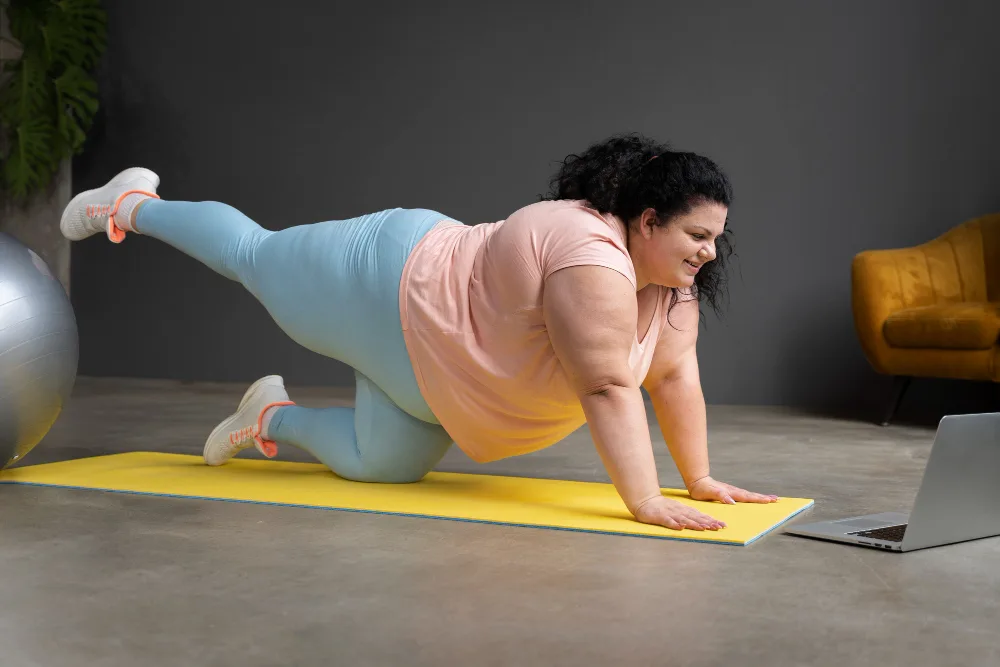
Living with lipedema can feel overwhelming, especially when traditional weight loss methods don't seem to work. Many people with this condition wonder if exercise can help manage their symptoms or slow progression. The relationship between exercise and lipedema is complex, but understanding it can help you make informed decisions about your treatment options.
This post explores how exercise affects lipedema, what types of movement are most beneficial, and when treatments like lipedema liposuction might be necessary for optimal results.
Understanding Lipedema and Its Unique Challenges
Lipedema is a chronic disorder that causes abnormal fat distribution, typically in the legs, thighs, and sometimes arms. Unlike regular fat, lipedema fat is resistant to diet and exercise. This condition affects millions of people worldwide, yet it's often misdiagnosed or confused with obesity or lymphedema.
The hallmark signs of lipedema include:
- Symmetrical fat deposits in the legs and arms
- Disproportionate body shape (smaller torso, larger lower body)
- Pain, tenderness, and swelling in affected areas
- Easy bruising
- Skin that feels soft or "doughy" to the touch
One of the most frustrating aspects of lipedema is that traditional weight loss approaches often fail to address the problematic fat deposits. This leads many people to question whether exercise has any value at all.
The Role of Exercise in Lipedema Management
While exercise cannot eliminate lipedema fat deposits, it plays a crucial role in managing symptoms and improving quality of life. Research shows that appropriate physical activity can help people with lipedema in several important ways.
Exercise Benefits for Lipedema
Pain Reduction: Low-impact activities can help reduce pain and discomfort by improving circulation and reducing inflammation in affected areas.
Improved Mobility: Regular movement helps maintain joint flexibility and prevents stiffness that can worsen with sedentary behavior.
Better Circulation: Exercise promotes lymphatic drainage, which can help reduce swelling and fluid retention.
Mental Health Support: Physical activity releases endorphins and can help combat depression and anxiety often associated with chronic conditions.
Overall Health Maintenance: While exercise may not reduce lipedema fat, it can help maintain healthy weight in unaffected areas and support cardiovascular health.
Best Types of Exercise for Lipedema
Not all exercises are created equal for people with lipedema. High-impact activities can sometimes worsen symptoms, while certain low-impact exercises provide maximum benefit with minimal risk.
Low-Impact Cardiovascular Activities
Water-Based Exercise: Swimming and water aerobics are excellent choices because water provides natural compression while reducing joint stress. The hydrostatic pressure can help with lymphatic drainage.
Walking: A simple but effective exercise that can be easily modified based on comfort level and progression.
Cycling: Stationary or regular cycling provides cardiovascular benefits without excessive impact on affected areas.
Elliptical Training: Offers a full-body workout while minimizing joint stress.
Strength Training Considerations
Resistance training can be beneficial for people with lipedema, but it requires careful approach:
- Focus on upper body strength to maintain balance and function
- Use lighter weights with higher repetitions
- Avoid exercises that put excessive pressure on affected areas
- Consider resistance bands as a gentler alternative to heavy weights
Flexibility and Recovery
Yoga: Gentle yoga can improve flexibility, reduce stress, and promote lymphatic drainage.
Stretching: Regular stretching helps maintain mobility and can reduce muscle tension.
Manual Lymphatic Drainage: While not technically exercise, this specialized massage technique can complement physical activity.
Exercise Limitations and Realistic Expectations
It's important to understand what exercise can and cannot do for lipedema. While physical activity offers numerous benefits, it has significant limitations when it comes to this condition.
What Exercise Cannot Do
Exercise cannot eliminate the abnormal fat deposits characteristic of lipedema. These deposits are metabolically different from regular fat and don't respond to traditional weight loss methods. This means that even with consistent exercise, the disproportionate shape and problematic areas may persist.
Managing Expectations
People with lipedema should approach exercise with realistic goals:
- Focus on symptom management rather than fat reduction
- Celebrate improvements in pain, mobility, and overall well-being
- Understand that progress may be slower than for people without lipedema
Consider exercise as one part of a comprehensive treatment plan
When Exercise Isn't Enough: Considering Lipedema Liposuction
For many people with lipedema, exercise and conservative treatments provide some relief but don't address the root problem. This is where specialized surgical interventions become important.
Understanding Lipedema Liposuction
Lipedema liposuction is a specialized procedure designed specifically for removing the abnormal fat deposits associated with this condition. Unlike cosmetic liposuction, this procedure requires expertise in treating lipedema and understanding its unique characteristics.
Benefits of Specialized Treatment
Targeted Fat Removal: Lipedema liposuction can remove the resistant fat deposits that don't respond to diet and exercise.
Improved Mobility: Reducing the bulk in affected areas can significantly improve movement and reduce pain.
Better Exercise Tolerance: After surgery, many patients find they can exercise more comfortably and effectively.
Enhanced Quality of Life: Addressing the physical symptoms often leads to improved mental health and overall well-being.
Combining Surgery with Exercise
The best outcomes often come from combining lipedema liposuction with appropriate exercise. Surgery can remove the problematic fat deposits, while exercise helps maintain results and provides ongoing symptom management.
Creating an Exercise Plan for Lipedema
Working with healthcare providers familiar with lipedema is crucial for developing an effective exercise plan. Your approach should consider your specific symptoms, stage of lipedema, and overall health status.
Getting Started Safely
- Consult with your healthcare provider before beginning any exercise program
- Start slowly and gradually increase intensity
- Pay attention to how your body responds to different activities
- Consider working with a physical therapist experienced in lipedema
- Use compression garments during exercise if recommended
Monitoring Progress
Track improvements in areas like:
- Pain levels
- Mobility and flexibility
- Overall energy and mood
- Sleep quality
- Ability to perform daily activities
Remember that progress may be gradual, and the benefits extend beyond physical changes.
Making Informed Treatment Decisions
Exercise is a valuable tool in managing lipedema, but it's not a cure. Understanding both its benefits and limitations helps you make informed decisions about your treatment plan. For many people, combining exercise with other treatments provides the best outcomes.
If conservative approaches aren't providing adequate relief, specialized treatments like lipedema liposuction may be worth considering. The key is working with healthcare providers who understand this condition and can guide you toward the most appropriate treatment options for your specific situation.
If you're considering lipedema liposuction, contact Byrd Lipedema Surgery Center today to schedule an appointment. Their specialized team can help you understand your options and develop a comprehensive treatment plan that may include both surgical and non-surgical approaches.